The demand for EV DC Fast Chargers is rapidly increasing as electric vehicles gain popularity. According to a report by Research and Markets, the global EV charging infrastructure market is projected to reach $140 billion by 2027. This growth highlights the critical role of reliable and efficient charging solutions. Industry expert Dr. Mark Thompson notes, "The future of EV adoption hinges on the availability of fast charging stations."
Many buyers are now seeking the best options available for EV DC Fast Chargers. These chargers not only reduce wait times for drivers but also enhance the overall EV experience. As technology advances, features such as wireless charging and smart grid integration are becoming more common. However, many chargers still face challenges like compatibility and installation costs.
Investing in an EV DC Fast Charger is a strategic decision. This can potentially provide a return on investment through increased customer satisfaction and reduced charging times. Yet, the variability in charger specifications can be overwhelming. Making an informed choice is crucial for both personal and commercial users in this evolving industry.
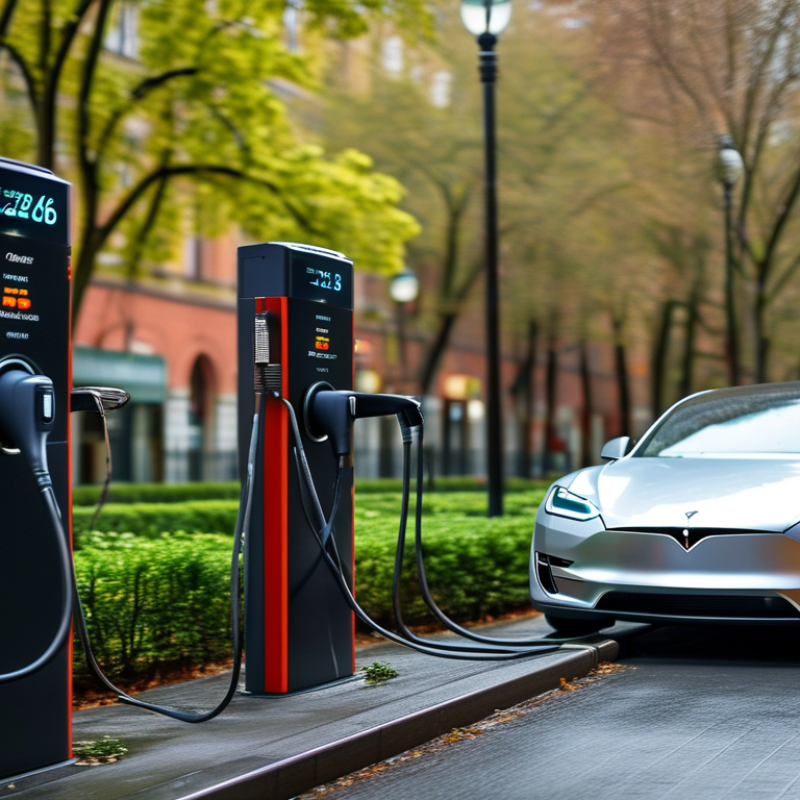
The EV DC fast charging technology landscape is evolving rapidly. According to a recent report by the International Energy Agency, the number of fast chargers globally increased by 35% in 2022. This growth reflects rising demand for electric vehicles (EVs) and a shift towards renewable energies. Trends indicate a notable increase in charging speeds, with many chargers now offering over 150 kW output. Such advancements significantly reduce charging time, making EV usage more convenient for drivers.
However, challenges persist in the fast charging infrastructure. A report from Bloomberg New Energy Finance reveals that only about 45% of global charging stations can support high-powered fast charging. This discrepancy creates frustration for users, who often encounter compatibility issues or unreliable service. Moreover, as more players enter the market, ensuring standardized charging protocols becomes crucial. The industry must address these gaps to maintain a seamless user experience.
Investing in reliable fast charging technology is essential for the future of EV adoption. According to experts, a seamless network is pivotal. It should facilitate charging across various locations without significant downtime. Addressing these concerns can enhance overall confidence in EVs, driving widespread acceptance and usage. Challenges in infrastructure must be tackled to engage a broader audience. Such efforts will play a vital role in the transition to sustainable transportation.
The landscape of electric vehicle (EV) charging is rapidly evolving. As we approach 2026, the focus is on finding the best DC fast chargers. Key features of these chargers can greatly enhance user experience. High charging speeds are essential. A good charger should provide at least 150 kW. This power level significantly reduces wait times.
Another important feature is the compatibility with various EV models. Many chargers are designed to support multiple standards. This flexibility ensures that more drivers can utilize the service. Additionally, an intuitive user interface can streamline the charging process. Clear instructions and fast payment options are vital. Users prefer a hassle-free experience.
Safety features cannot be overlooked. Overcurrent protection and thermal management are critical in fast chargers. These aspects help prevent accidents and maintain efficiency. Moreover, the impact on the local grid must be considered. Chargers that can regulate their output during peak times are more reliable. These considerations highlight the balance between innovation and practicality in the fast-evolving EV charging sector.
The EV fast charging market continues to grow rapidly. A recent report indicates that the market is projected to reach $30 billion by 2026, driven by the rising demand for electric vehicles. Fast chargers are essential for shorter charging times, making them a priority for infrastructure development. Many consumers desire charging solutions that not only work effectively but also provide a seamless user experience.
Leading brands in the EV DC fast charger space are constantly innovating. For instance, advances in charging technology have enabled some models to provide up to 350 kW of power. This level of output can deliver an 80% charge in as little as 15 minutes under optimal conditions. However, disparities exist in charging speeds and compatibility, which can lead to confusion. Users may face challenges when selecting a charger that fits their specific vehicle requirements. Moreover, the maintenance and installation costs can vary significantly based on the model chosen.
Several studies highlight the importance of user-friendly designs. Many chargers offer touchless payment options and real-time updates regarding charging status. However, not all models supply these features. Some consumers express dissatisfaction with the availability and reliability of chargers in various locations. This gap emphasizes the need for further investment in charging infrastructure and improved technology to enhance user confidence in EV fast charging solutions.
The expansion of electric vehicle (EV) fast charging infrastructure remains critical for global adoption. Recent reports indicate that by 2026, the number of EV charging stations is expected to reach over 7 million. However, this growth raises challenges regarding accessibility and equal distribution across regions. Many urban areas have a higher concentration of fast chargers, leaving rural regions under-served.
Accessibility issues persist due to various factors. Almost 70% of EV owners report range anxiety as a significant barrier. Inadequate charging infrastructure contributes to this concern. Fast chargers can take as little as 30 minutes to deliver an 80% charge, but if they are not available when needed, the user experience diminishes. Furthermore, urban planning often overlooks necessary charging points, highlighting inefficiencies in infrastructure development.
Additionally, the charging experience varies globally. Some regions boast well-integrated networks, while others struggle with inconsistent service. Reports show that only 30% of charging stations provide reliable functionality and user support. Addressing these disparities is essential for bolstering EV adoption. The need for a concerted effort in infrastructure investment and policy regulations is clear. Stakeholders must prioritize maintaining and improving existing networks to ensure equitable access.
As we approach 2026, the landscape for DC fast chargers is shaped by evolving industry standards and regulations. These frameworks ensure safety, efficiency, and interoperability. New guidelines will address charging power levels, connector types, and communication protocols. For global buyers, understanding these regulations is crucial for informed decisions.
Compliance with emerging standards will significantly impact the performance and accessibility of DC fast chargers. Stakeholders must navigate compatibility challenges with existing infrastructure. Moreover, not all manufacturers will adapt at the same pace. This inconsistency can create confusion for buyers. Tracking regulatory updates is essential for aligning with future market trends.
The push for sustainability also influences these regulations. Governments aim to support electric vehicle adoption by promoting accessible charging solutions. Still, some regions lag behind in infrastructure deployment. There are disparities in available technologies and access to charging networks, which could hinder adoption in certain areas. As the industry evolves, ensuring a reliable and robust charging ecosystem remains a challenge.
: The EV DC fast charging technology is evolving. Global fast chargers increased by 35% in 2022.
Faster charging reduces wait times. Many chargers now offer over 150 kW output for convenience.
Only about 45% of stations support high-powered charging. This leads to compatibility issues and user frustration.
A seamless charging network boosts confidence in EVs. It encourages wider acceptance and usage in the future.
Key features include high charging speeds, compatibility across models, and a user-friendly interface.
Safety features like overcurrent protection are vital. They prevent accidents and ensure efficient operation.
An intuitive interface and clear payment options enhance the user experience. Hassle-free charging is preferred.
Yes, chargers should manage output during peak times. This helps maintain reliability on the local grid.
Standardized charging protocols are needed. The industry must address this for a better user experience.
Improving infrastructure can engage a broader audience. This transition is vital for a sustainable future.
The article "2026 Best Ev Dc Fast Charger for Global Buyers Guide" provides an in-depth exploration of trends in the evolving landscape of EV DC fast charging technology. It highlights key features that distinguish the best EV DC fast chargers in 2026, emphasizing efficiency, speed, and user-friendly interfaces. The comparative analysis of leading brands and models offers insights into performance and reliability, guiding potential buyers toward well-suited options.
In addition, the article examines the global infrastructure surrounding fast charging stations, discussing their availability and accessibility to enhance the EV experience. It also addresses industry standards and regulations that impact the deployment and capabilities of DC fast chargers, ensuring consumers can make informed decisions in a rapidly changing market. Overall, this guide serves as a comprehensive resource for those interested in navigating the future of EV charging technology.

Tongxing