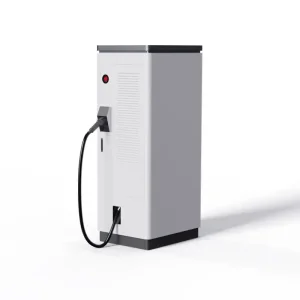
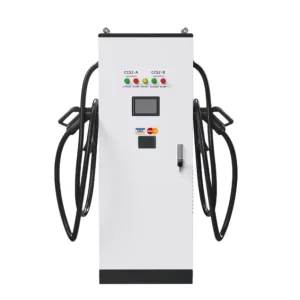
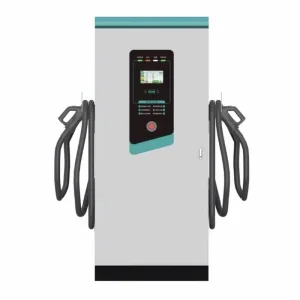
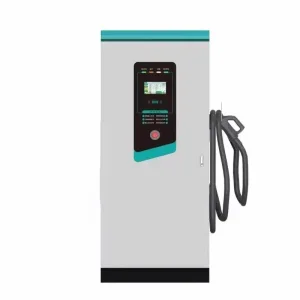
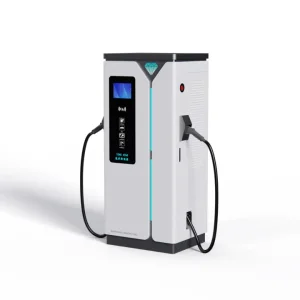
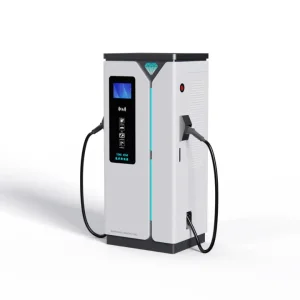
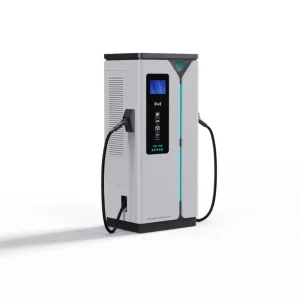
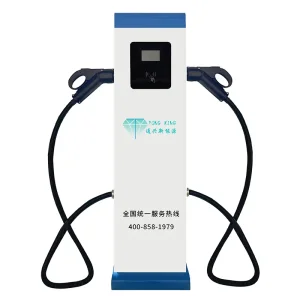
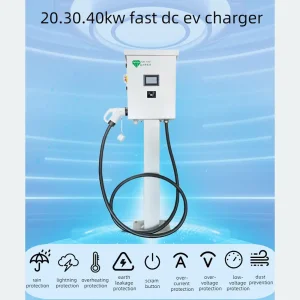
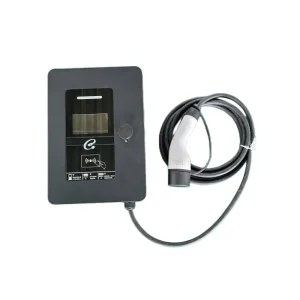
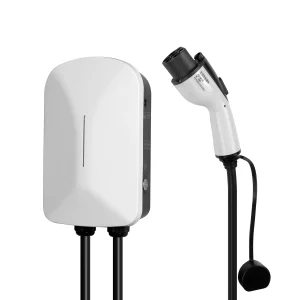
As the world pivots toward sustainable transportation, DC EV Charger Manufacturers & Suppliers have moved from the periphery to the epicenter of the energy transition. Unlike standard AC chargers, DC Fast Chargers (DCFC) bypass the vehicle's onboard charger to deliver power directly to the battery, significantly reducing charging times from hours to minutes. This capability is critical for commercial fleets, public transit hubs, and highway service stations.
The global DC EV charging market is projected to grow at a CAGR of over 25% through 2030. Key drivers include the adoption of 800V battery architectures, the rise of logistics electrification, and stringent governmental carbon-neutral mandates across Europe, North America, and the APAC region. Manufacturers are now focusing on "High-Power Charging (HPC)" reaching 480kW and even 960kW to support the next generation of electric heavy-duty trucks and high-speed passenger vehicles.
EV charging stations are becoming revenue-generating assets for shopping malls, hotels, and office parks, offering "Destination Charging" that increases foot traffic and dwell time.
Heavy industries are utilizing DC fast chargers for mining equipment, port logistics vehicles, and warehouse AGVs, requiring IP65 protection and military-grade durability.
Modern chargers are no longer passive loads; they are smart nodes in a V2G (Vehicle-to-Grid) ecosystem, helping balance peak demand via AI-driven load management.
A National High-Tech Enterprise Pioneering Smart Charging Solutions
Intelligent Production Base
Years of Energy Expertise
Certified Engineers
Countries Served Globally
To achieve charging speeds of 500A and above, liquid-cooled cables and power modules are essential. This technology prevents overheating while allowing for lighter, more manageable charging cables for consumers.
Transitioning from traditional IGBTs to SiC MOSFETs reduces switching losses, improves efficiency by 3-5%, and allows for more compact power module designs.
Standardizing the communication between the EV, charger, and cloud. ISO 15118 enables "Plug & Charge," where the vehicle identifies itself and handles payment automatically without apps or cards.
| Phase | Technology Focus | Target Outcome |
|---|---|---|
| Current (2024) | 120kW-240kW Standard DCFC | Fleet & Public Infrastructure rollout |
| Short-term (2025-2026) | Megawatt Charging System (MCS) | Electrification of Class 8 Heavy Trucks |
| Long-term (2027+) | AI-driven V2X & Wireless DC | Autonomous fleet energy management |
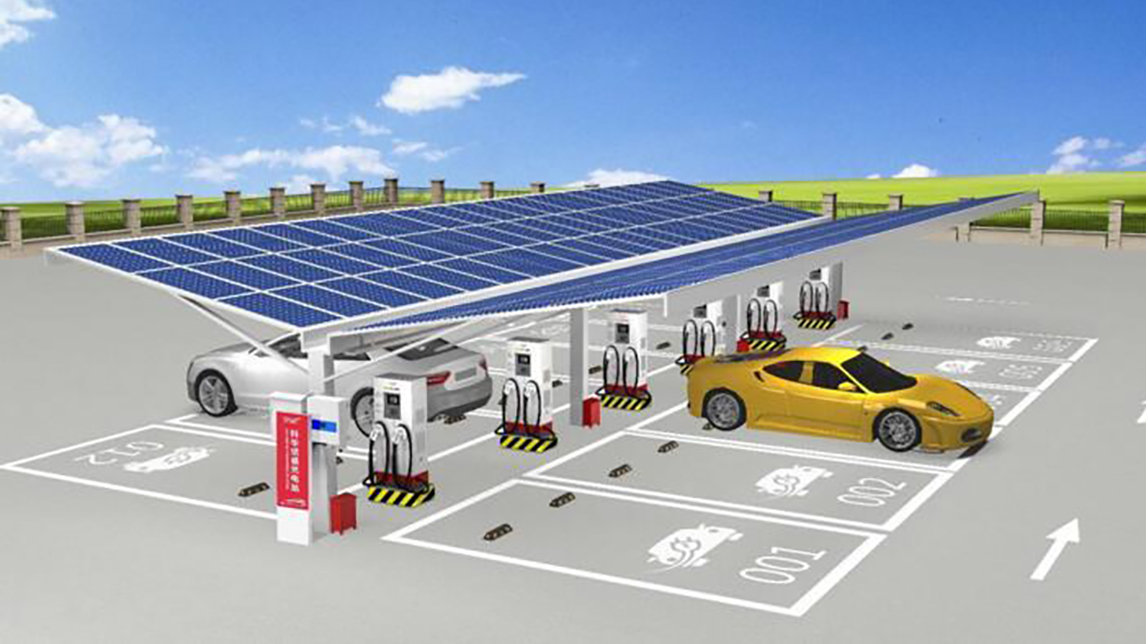
Our "Photovoltaic-Storage-Charging" integrated solution redefines the charging experience by making every kilowatt-hour greener and smarter.
Rooftop/canopy solar panels provide real-time power, meeting 30%-50% of charging demand at as low as 1/3 of peak grid electricity prices.
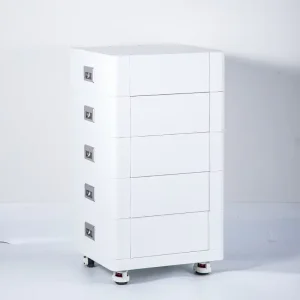
Store low-cost power during off-peak hours and release it during peak hours, reducing grid electricity costs by 40% per station and alleviating grid load stress.
Supports 120kW-960kW ultra-fast charging, adding 200km range in 10 minutes. AI power distribution technology improves efficiency by 25%.
A: The choice depends on your target user's "dwell time." For locations like shopping malls where users stay for 1-2 hours, 60kW-120kW is ideal. For highway rest areas where users expect a 15-20 minute stop, 180kW-240kW (or higher) is recommended.
A: Yes, our chargers are fully compliant with OCPP 1.6J and are upgradeable to 2.0.1, ensuring seamless integration with any global charging station management system (CSMS).
A: Absolutely. Our units are IP55/IP65 rated and tested for operations between -35°C to 75°C, with advanced thermal management systems to ensure stable power delivery.
A: While the initial investment is higher, the combination of peak-shaving and solar self-consumption typically reduces operational costs by 27-40%, leading to a payback period of 3.8 to 5 years depending on local subsidies.
Tongxing's dual-core redundancy protection system ensures that even if one control module fails, the charger remains operational, reducing downtime and maintenance costs for station operators.
 Tongxing