As the demand for electric vehicles (EVs) grows, so does the need for effective charging solutions. In this context, EV fast chargers are becoming essential for infrastructure development. These chargers provide quick and convenient charging options, making them an attractive choice for both suppliers and users in China.
China's EV market is rapidly evolving. Numerous suppliers are entering this competitive field. The selection of the right EV fast charger requires careful consideration. Factors such as charging speed, compatibility, and durability are critical. Many suppliers offer products that claim to meet these needs. However, not all chargers perform equally in real-world conditions.
Choosing an EV fast charger is not just about specifications. User experiences vary significantly based on location, technology, and user habits. Some products may promise high performance but fall short during actual usage. Understanding customer feedback and expert reviews can guide suppliers in making informed choices. Investing time in research is crucial for success in this fast-paced environment.
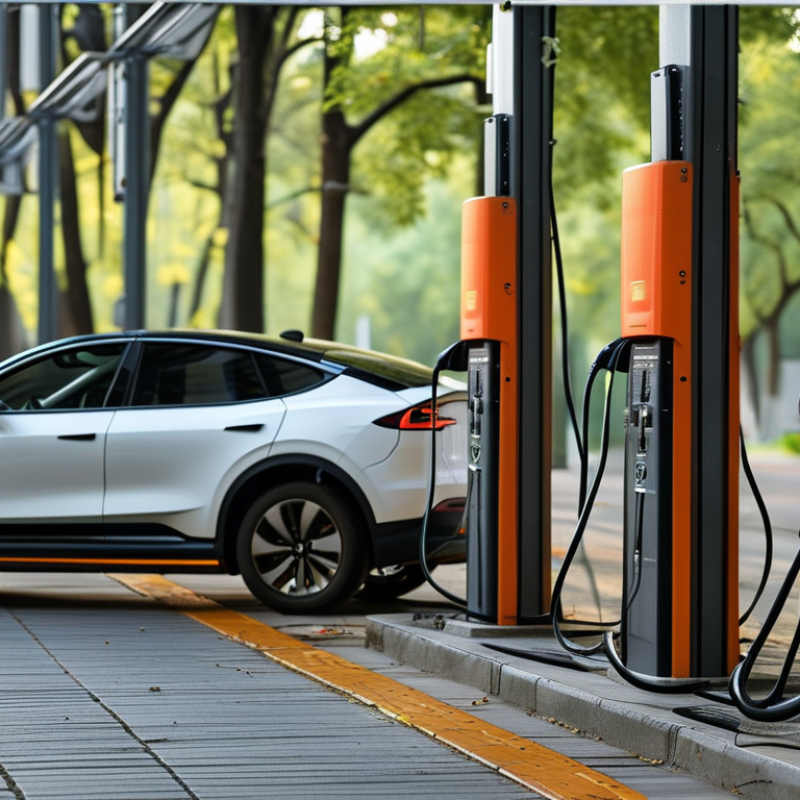
Overview of EV Fast Chargers Available from Chinese Suppliers
As the electric vehicle (EV) market grows in China, fast chargers become essential for wider adoption. Many suppliers in China offer a variety of options tailored to different needs. The focus is often on charging speed, compatibility, and 安全性 features. Design plays a role, too, as some units incorporate user-friendly interfaces and compact structures.
Yet, not all fast chargers meet the same standards. Some suppliers may prioritize cost-cutting over quality. It’s crucial for buyers to evaluate the reliability of features like overcurrent protection and thermal management. Many models come with connectivity options, allowing for remote monitoring. However, users have reported issues with inconsistent connection stability in cheaper versions.
Choosing the right fast charger is vital for operational efficiency. Potential buyers should conduct thorough research. Look for technical specifications that highlight charging time and safety. Testimonies from previous users can provide valuable insights. In this evolving market, staying informed is essential for making informed choices.
Types of EV Fast Chargers: Characteristics and Applications
Electric vehicles (EVs) are gaining popularity globally, leading to a rising need for efficient fast chargers. Different types of EV fast chargers cater to varied applications, facilitating rapid charging solutions. These chargers are generally categorized into Level 2 AC chargers and DC fast chargers.
Level 2 chargers are suitable for home use or parking lots, providing a balanced charge rate. They are often chosen for their affordability and ease of installation.
DC fast chargers are ideal for commercial use, such as along highways. They offer high power output, enabling drivers to recharge their vehicles in a short time. This speed is crucial for long-distance travel. However, they require substantial electrical infrastructure, which makes installation more complex. Many businesses consider the investment worth it due to the high demand for fast charging.
Tips: When selecting a charger, evaluate your site's electrical capacity. Proper planning is paramount for seamless installation. Additionally, assess the traffic flow; busy areas may benefit from multiple charging stations. Remember, simple mistakes in planning can lead to operational inefficiencies. Balancing cost against expected usage can also be challenging yet vital for success.
Key Features to Consider When Choosing a Fast Charger
When selecting a fast charger for electric vehicles (EVs), several key features must be considered.
Power output is vital; chargers typically range from 25 kW to 350 kW.
Higher power means faster charging times, but compatibility with various vehicle models varies. Ensuring the charger supports multiple charging standards is essential.
User-friendly interfaces also play a crucial role. Will your customers need complex instructions? A simple design with clear indicators can improve the experience.
Look for features like real-time monitoring. This can help users track their charging status easily.
Durability matters, too. Chargers should withstand different weather conditions and physical wear.
Finally, installation and maintenance should not be overlooked. Proper installation can prevent technical issues.
Regular maintenance is also required to ensure reliability. It might be easy to underestimate these aspects. However, overlooking them can lead to user dissatisfaction.
Choose wisely; these decisions will impact your reputation and client trust.
Top Chinese Suppliers for EV Fast Charging Solutions
The demand for electric vehicles (EVs) is growing rapidly in China, leading to an increased need for reliable fast chargers. Various suppliers are stepping up to meet this demand. The top Chinese suppliers of EV fast charging solutions focus on innovation and efficiency. Many invest in advanced technologies to enhance charging speeds. This shift not only caters to individual users but also supports public charging infrastructure.
Some suppliers integrate smart technology into their products. For instance, remote monitoring and diagnostic features allow for efficient maintenance. However, challenges remain in standardization. Companies often use different protocols, complicating interoperability among different charger models. Additionally, while some suppliers excel in fast charging, their service networks might not cover all regions. This can lead to frustration for users who have limited charging options nearby.
The competitive landscape among these suppliers encourages continuous improvement. Solutions vary widely in design and functionality. Buyers must consider their specific needs when choosing a supplier. A well-informed decision helps in maximizing charging efficiency while minimizing downtime. Engaging with suppliers directly can clarify many uncertainties, especially about future technology trends.
Future Trends in EV Fast Charging Technologies in China
The future of electric vehicle (EV) fast charging in China is on a transformative path. According to the China Electric Vehicle Charging Infrastructure Promotion Alliance, the number of charging points has exceeded 1.8 million as of 2023. This surge reflects the growing demand and commitment to enhancing EV infrastructure. Innovators are focusing on ultra-fast charging options, aiming for 800V systems that reduce charging time to under 15 minutes for many EV models.
New technologies are about to reshape how consumers experience charging. Solid-state batteries and wireless charging are receiving significant attention. These advancements could potentially double the energy density while improving safety. However, challenges remain around the high costs of these technologies. Moreover, standardization of charging protocols is still a work in progress, posing hurdles for interoperability.
Tips: Always consider the location and speed of the charging station. Not all fast chargers are the same; some may charge your vehicle significantly faster. Be ready for potential delays in highly frequented areas, especially during peak hours. Stay updated about emerging charging technologies and infrastructure development to better plan your EV journeys.
Best Ev Fast Charger Options for China Suppliers
| Charging Station Type |
Power Output (kW) |
Charging Time (30%-80%) |
Connectivity Options |
Features |
| Ultra-Fast Charger |
350 |
15 min |
4G, Wi-Fi |
Smart Charging, CRM Integration |
| Regular Fast Charger |
120 |
30 min |
USB, Bluetooth |
User-Friendly Interface, Remote Monitoring |
| Home Charging Station |
7.2 |
6-8 hours |
Wi-Fi |
Schedule Charging, Energy Monitoring |
| DC Fast Charger |
100 |
40 min |
Ethernet, 4G |
Pay-per-Use, Touch Screen |
Conclusion
The article provides a comprehensive overview of the various EV Fast Charger options available from Chinese suppliers, highlighting the characteristics and applications of different types of chargers. It emphasizes the importance of key features that potential buyers should consider, such as charging speed, compatibility, and safety standards. Additionally, the article identifies leading Chinese suppliers specializing in EV fast charging solutions, offering insights into their offerings and market positioning.
Looking ahead, the piece discusses emerging trends in EV fast charging technologies within China, focusing on advancements that could enhance efficiency and user convenience. As the demand for electric vehicles continues to rise, understanding the options for EV fast chargers and the companies providing them will be crucial for stakeholders in the industry.

 Tongxing