Best Ev Home Charger Options for Global Buyers Today?

Time:2026-06-13 Author:Madeline
0%

As the world shifts toward electric vehicles (EVs), the need for a reliable EV home charger has never been more critical. Renowned EV expert, Dr. Lisa Tran, states, "A dependable home charging solution is essential for any EV owner." With a variety of options available, selecting the right charger can be overwhelming for global buyers.

Home charging not only ensures convenience but also enhances the overall EV experience. Many consumers desire chargers that blend efficiency with affordability. Moreover, the compatibility of chargers with different EV models adds another layer of complexity. Some consumers may feel uncertain about which features truly matter for their specific needs.

While various brands claim to offer the best charging solutions, it’s crucial to carefully assess their performance and reliability. Features like charging speed, installation ease, and smart technology integration can greatly influence the decision-making process. Therefore, understanding these nuances is vital for making an informed choice. As EV technology evolves, there's always room for improvement, making it essential for buyers to stay updated on the latest advancements.
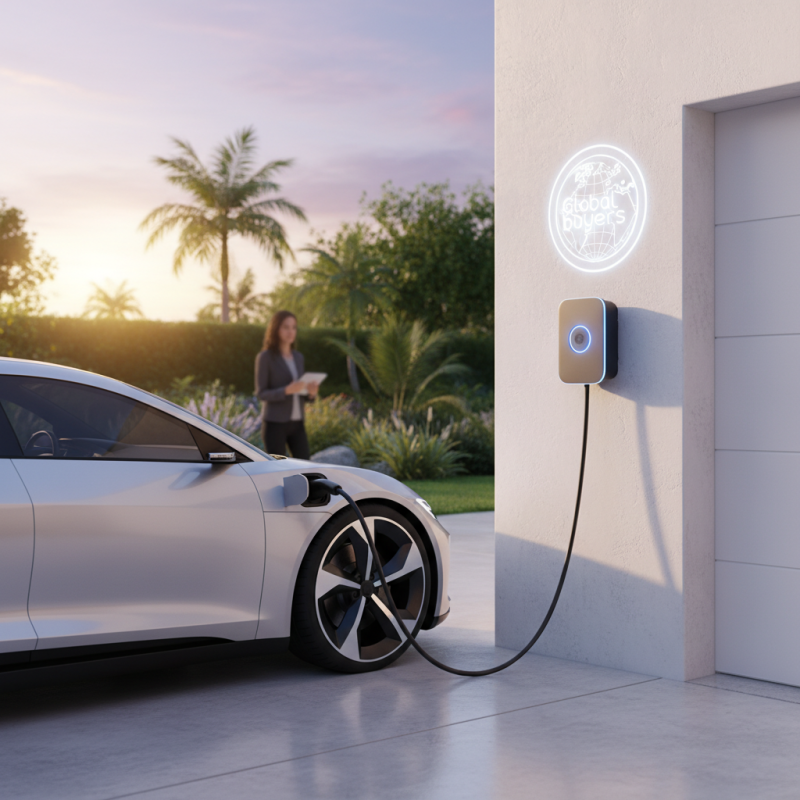
Best Ev Home Charger Options for Global Buyers Today?

Overview of Electric Vehicle Home Chargers

When considering electric vehicle (EV) home chargers, it's essential to focus on the key features. Charging speed, installation ease, and compatibility are vital aspects. Many chargers offer Level 1 and Level 2 options, which significantly impact charging times. Level 2 chargers typically provide faster charging, making them ideal for daily use.

Choosing a charger can be overwhelming. Factors like power output and connectivity might lead to some confusion. Some models include Wi-Fi capability, allowing users to monitor charging status remotely. However, compatibility with various EV models is crucial. Not all chargers fit every car, and this mismatch can frustrate new buyers.

Future market changes present challenges and possibilities. Innovations in battery technology are advancing rapidly. As new vehicles emerge, older chargers might not support them. Users should stay informed about these developments. Aiming for flexibility in charging options can ensure long-term satisfaction. Balancing current needs with future trends is essential for any EV owner.

Types of EV Home Chargers Available Today

When considering the types of EV home chargers available today, it's important to recognize the diversity in charging levels. Level 1 chargers use a standard 120-volt outlet and are the most basic option. They usually take a longer time to charge, often overnight for many EVs. A report by the U.S. Department of Energy indicates that about 80% of home charging is done using these Level 1 chargers. While they are user-friendly, their slower charging speeds could be a drawback for users who need quick turnaround times.

Level 2 chargers are a significant upgrade. Operating at 240 volts, they can charge most EVs in a matter of hours rather than overnight. According to the International Energy Agency, nearly 75% of EV owners prefer Level 2 chargers for their efficiency. However, installation costs can be higher. Users must consider the electrical upgrades needed in their homes. Moreover, certain regions may lack sufficient infrastructure to support these higher voltage options, limiting availability for some homeowners.

Finally, DC fast chargers are the heavyweights in charging technology. They can bring an EV’s battery to 80% capacity in just 30 minutes. However, their home installation is rare due to cost and complexity. Many users may find that relying solely on fast-charging at public stations disrupts their daily routines. So, each type of charger comes with unique benefits and challenges, making the choice highly personal.

Key Features to Consider When Choosing a Charger

When selecting an EV home charger, several key features are crucial for global buyers. Charging speed is often the top priority. According to industry data, Level 2 chargers can typically deliver 10 to 60 miles of range per hour. This is a significant contrast to Level 1 chargers, which may only offer 3 to 5 miles per hour. Buyers should assess their daily driving needs and charging infrastructure to make an informed choice.

Compatibility is another vital consideration. Not all chargers fit every EV model. Many new models support universal connectors, but older vehicles may require specific adapters. Furthermore, smart chargers are gaining traction in the market. A report from the International Energy Agency indicates that smart charging capabilities can enhance grid management. This feature allows users to schedule charging during off-peak hours, optimizing energy costs.

Buyers should also examine installation requirements. Some chargers may need extensive electrical work before installation. Homeowners often underestimate these costs. Reports show that installation expenses can vary significantly, sometimes exceeding the charger’s price itself. Understanding local requirements is essential. Evaluating these factors will enable buyers to make the best choice for their specific needs and circumstances.

Top EV Home Charger Brands for Global Buyers

When considering home chargers for electric vehicles, buyers should focus on reliability and ease of use. Many brands offer devices that cater to different needs. It's essential to choose chargers that fit your vehicle specifications. Look for features like adjustable power settings or smart technology compatibility.

Quality is key in selecting a home charging solution. Some brands excel in durability, while others may lack essential safety features. Researching customer reviews is crucial. Customers often highlight usability, installation ease, and customer support.

Certain chargers may require professional installation, which can add costs. Some users report challenges with connectivity to smart home systems. Identifying which features are truly beneficial can be a process. Balancing cost with functionality might require reflective thinking.

Best Ev Home Charger Options for Global Buyers Today

Charger Type Charging Speed (kW) Compatibility Smart Features Price Range ($)
Level 2 Charger 7.2 - 22 Most EV Models Yes 500 - 800
Portable Charger 3.7 - 7.2 Most EV Models No 200 - 400
Wall-Mounted Charger 11 - 22 Tesla, Nissan, Chevy Yes 600 - 1200
High-Speed Charger 50 - 350 Limited Models Yes 1500 - 3000

Comparative Analysis of EV Charger Pricing and Installation Costs

When considering EV chargers for home use, pricing and installation costs can vary widely. On average, homeowners might spend anywhere from several hundred to a few thousand dollars. The price of the charger itself is only one part of the equation. Installation costs, affected by factors like electrical capacity and distance from the main panel, can add significant expense.

Many homeowners overlook potential additional costs. For instance, upgrading electrical panels to support more power can be pricey. Some regions may require permits, further increasing expenses. It's essential to gather quotes from qualified electricians to understand your specific needs better. Comparing multiple options enables smarter decisions.

While some chargers are more affordable, their long-term efficiency could be questionable. Investing in a reliable charger might save money over time. However, the fastest charger isn't always the best for every household. Reflecting on your driving habits and charging frequency can lead to better choices tailored to your lifestyle.

Best EV Home Charger Options for Global Buyers Today

FAQS

: What are the different types of EV home chargers?

: There are three main types: Level 1, Level 2, and DC fast chargers. Each has unique pros and cons.

How long does it take to charge an EV with a Level 1 charger?

Level 1 chargers can take overnight to charge fully. They are user-friendly but slower than other options.

Why do many EV owners prefer Level 2 chargers?

Level 2 chargers charge most EVs in hours, offering 10 to 60 miles of range per hour, which is efficient for many.

Are there significant installation costs for EV chargers?

Yes, installation can cost as much or more than the charger itself. Homeowners often underestimate these expenses.

Should I consider compatibility when selecting a charger?

Definitely. Not all chargers fit every EV model. Some older vehicles need specific adapters, so check compatibility carefully.

What is a smart charger and why is it beneficial?

A smart charger allows scheduled charging during off-peak hours. This can help optimize energy costs and usage.

Can homeowners overlook additional costs when installing a charger?

Yes, many do. Upgrading electrical panels and permits can add unexpected expenses. It's wise to gather multiple quotes.

How does driving habit affect charger choice?

Reflecting on how often and far you drive helps in selecting the best charger. Not every household needs the fastest option.

What should I know about electrical upgrades for home chargers?

Some chargers may require substantial electrical work. Understanding local requirements is crucial to avoid surprises later on.

Is the fastest charger always the best choice?

Not necessarily. The best charger fits your daily routine and charging frequency. Consider long-term efficiency over speed alone.

Conclusion

When considering the best EV home charger options for global buyers, it is essential to understand the various types of electric vehicle home chargers available today. Options range from Level 1 chargers, which are suitable for overnight charging at home, to faster Level 2 chargers that can significantly reduce charging time. Key features to consider when selecting an EV home charger include charging speed, compatibility with different vehicle models, ease of installation, and smart functionalities that enhance the user experience.

Additionally, understanding the pricing and installation costs associated with EV home chargers is crucial. A comparative analysis can help buyers make informed decisions, ensuring they choose a charger that meets their needs while staying within budget. By focusing on these aspects, global buyers can confidently select the right EV home charger to support their electric vehicle lifestyle.


Madeline

Madeline

Madeline is a dedicated marketing professional with a wealth of expertise in our company's core offerings. With a keen understanding of the industry, she brings a unique perspective to her role, consistently delivering high-quality content that highlights the superior aspects of our products. As......