Choosing the right Home Ev Wallbox is not simply a matter of finding the highest charging speed. A suitable unit must match your vehicle, electrical system, climate, parking space, and daily routine. A compact 7.4 kW charger may be ideal for a city apartment. A 22 kW model may suit a property with three-phase power. However, faster is not always better.
Tom Moloughney, an EV-charging specialist and host of State of Charge, offers a useful perspective: “The best EV charger is the one that fits your use case.” That principle guides this comparison. The selected Home Ev Wallbox options are considered for charging performance, safety features, cable design, software quality, installation demands, and after-sales support. Regional differences also matter. A wallbox designed for Europe may not suit electrical conditions in North America or parts of Asia. Plug types, certification requirements, grid capacity, and smart-charging functions can change the buying decision.
Real-world ownership exposes details that product pages often hide. A bright screen may be useless in direct sunlight. A short cable can become frustrating beside a narrow driveway. An unreliable app can turn scheduled charging into guesswork. Some models appear affordable, but installation costs may alter the final price. This list is not perfect. No global ranking can reflect every home, vehicle, or electricity tariff. Still, it aims to provide a practical starting point for buyers comparing the 10 best Home Ev Wallbox options across different markets.
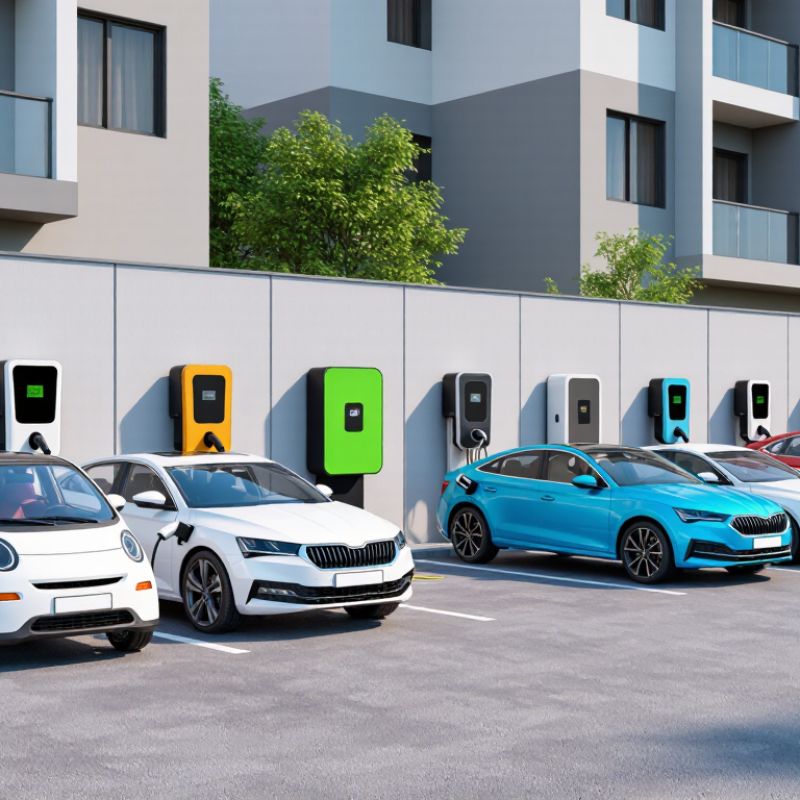
A home EV wallbox is a fixed charging unit connected to a household electrical circuit. Unlike a basic portable cable, it manages current, communication, and protective shutoff. The International Energy Agency reported nearly 14 million electric car sales worldwide in 2023. More households now need charging that is predictable, safe, and fast enough for daily routines.
Most home wallboxes deliver between 3.6 and 22 kW, although household wiring often limits practical output. A suitable unit can refill a vehicle overnight, reduce cable clutter, and adjust power when other appliances operate. The U.S. Department of Energy’s Alternative Fuels Data Center identifies Level 2 charging as the common faster home option.
However, maximum power alone does not define quality. A powerful unit may perform poorly with an undersized circuit or weak installation. That detail is easy to overlook.
Tips: Check your supply capacity before comparing features. Ask a qualified electrician to verify protection, grounding, cable length, and outdoor weather resistance. Smart load management can prevent nuisance trips when ovens or heat pumps run. Confirm connector compatibility and local grid requirements, too. Specifications look reassuring, but installation remains the weak link.
Comparing home EV wallboxes across countries starts with electrical compatibility, not charging speed. Check voltage, phase configuration, connector type, and rated current against the local installation. A unit designed for one grid may need different protection elsewhere. Certified safety testing matters more than impressive app features. Look for residual-current protection, thermal monitoring, and clear fault alerts. Installation should be completed by a qualified electrician who understands household load limits. Small details matter. A 7 kW unit can overload an older home if the oven and water heater run together.
Weather resistance deserves practical attention. For an exposed driveway, choose a robust enclosure with an appropriate IP rating and UV-resistant materials. In cold regions, cable flexibility and screen readability can become daily problems. In hot, dusty areas, ventilation and dust protection deserve closer inspection. Fixed cables are convenient, while socketed designs offer easier replacement and wider vehicle compatibility. Neither choice is perfect. Measure the parking position before buying; a short cable can turn a neat installation into a frustrating one.
Smart functions should solve a real household need. Dynamic load balancing can reduce peak demand, while scheduled charging may use cheaper overnight electricity where available. Confirm whether the wallbox supports local control during internet outages. Data security also matters: use strong authentication, timely firmware updates, and transparent data policies. Independent test reports and a responsive service network add credibility. Warranty length is useful, but repair procedures matter more. I would compare total ownership cost, including installation, protective equipment, connectivity, and future cable replacement. It is easy to overvalue a polished app and undervalue dependable hardware.
Choosing a home EV wallbox depends on your car, parking space, and daily driving routine. These ten options suit different buyers: a compact unit for small garages, a weatherproof model for outdoor driveways, a high-power charger for large batteries, and a basic unit for overnight charging. A portable wallbox helps renters, while a tethered cable improves convenience. A socketed design offers cable flexibility. Solar-aware charging can use daytime generation. Load-balanced charging protects homes with limited electrical capacity. A connected unit supports scheduling, usage records, and remote monitoring. A simple offline charger suits drivers who prefer fewer digital features.
Real-world installation matters more than attractive specifications. Check the vehicle’s maximum AC charging rate before paying for extra power. A 7-kilowatt wallbox may be enough for many drivers. A 22-kilowatt option can be wasteful without suitable home wiring and vehicle support.
Ask a qualified electrician to inspect the consumer unit, cable route, earthing, and protection devices. Local electrical requirements also differ, so online advice cannot replace an on-site assessment.
In daily use, the best charger feels quiet and predictable. Look for clear status lights, a durable cable, and an emergency stop procedure. Weather seals should withstand rain, dust, and winter temperature changes. App features sound useful, but connection failures happen. I would not choose software over safe hardware. Some buyers may also underestimate cable length and wall space. Measure both before installation. A charger that fits the brochure may still feel awkward beside a narrow garage door.
A suitable home wallbox begins with the property, not the charging speed. The International Energy Agency’s Global EV Outlook 2024 recorded more than 14 million electric-car sales in 2023. That growth makes installation quality increasingly important. A qualified electrician should check the service capacity, earthing, cable route, and local electrical rules. Older homes may need panel upgrades. The neatest installation is not always the safest.
Compatibility requires careful checking. Confirm the vehicle’s connector, single-phase or three-phase support, maximum onboard charging rate, and regional voltage. A 22 kW wallbox cannot make a car accept 22 kW. It may only add cost.
Outdoor units should offer strong weather protection, secure cable storage, and clear fault indicators. Residual-current protection is essential, with equipment aligned to applicable IEC 61851 and IEC 60364-7-722 requirements.
Do not rely on a household socket and an extension cable for regular charging.
Smart charging can reduce peak demand by delaying charging until cheaper or cleaner electricity is available. The IEA’s Global EV Outlook 2024 reported that global public charging points exceeded four million at the end of 2023, growing by about 40% in one year.
Home systems should support load balancing, scheduling, solar coordination, and reliable offline operation. Connectivity is useful, but privacy matters. Apps can fail. A physical start button still has value. Test the wallbox after installation, review its energy data monthly, and question any feature you cannot explain.
Choosing a home EV wallbox starts with your vehicle, not its screen or advertising claims. Check the vehicle’s maximum AC charging rate and connector type. A higher-rated wallbox will not charge a car faster than its onboard charger allows. Confirm your home’s voltage, phase, and available electrical capacity with a qualified electrician. Global homes differ significantly in these areas.
Installation quality matters more than attractive specifications. Ask whether the unit supports adjustable current, residual-current protection, and safe load management. Load management can reduce charging power when ovens or heat pumps operate. This helps prevent nuisance trips. Select an outdoor-rated enclosure if the charger will face rain, dust, or direct sunlight. Cable length also deserves attention. A cable that barely reaches the parking space becomes irritating every night.
Smart functions can improve convenience, but they should not replace basic reliability. Look for clear energy records, scheduled charging, stable software, and manual controls during internet outages. Check the warranty conditions, service access, and replacement process in your country. I once treated cable storage as a minor detail, then watched a loose cable drag through wet gravel. My checklist was incomplete. Consider your parking layout, winter temperatures, and future vehicle plans before buying. A professional installer should verify the circuit, mounting surface, and protective devices before energizing the wallbox. Don’t skip that visit.
It is a fixed charging unit connected to household wiring. It controls current, communication, and protective shutoff. Unlike a portable cable, it supports safer daily charging. It matters.
Many units provide between 3.6 and 22 kW. Actual output depends on the vehicle and household circuit. A powerful unit cannot overcome weak wiring or a limited onboard charger. More power is not always better.
No. The vehicle’s onboard charger sets the practical charging limit. Check its maximum AC rate and connector type before buying. A higher-rated wallbox may add cost without reducing charging time. That detail is easy to miss.
The electrician should inspect service capacity, grounding, cables, and protective devices. They should also check the mounting surface and cable route. Older homes may need electrical panel upgrades. Do not skip this visit.
Yes, if the unit has suitable weather protection. Check resistance to rain, dust, sunlight, and seasonal temperatures. Secure cable storage prevents the cable from lying across wet gravel. I underestimated that detail once.
It reduces charging power when ovens, heaters, or heat pumps use electricity. This helps prevent nuisance circuit trips. Scheduling can also use cheaper or cleaner electricity periods. It should work offline, too.
Look for residual-current protection and clear fault indicators. The installation should follow applicable local electrical requirements. A household socket and extension cable are unsuitable for regular charging. Safety comes before speed.
Measure the distance between the wallbox and the parking space. A short cable becomes irritating during every charging session. Review warranty terms, service access, energy records, and manual controls. My checklist was incomplete.
A Home Ev Wallbox is a dedicated electric vehicle charging unit designed for convenient, faster, and safer charging at home than a standard household outlet. This guide explains what makes a wallbox valuable, including charging speed, connector compatibility, electrical capacity, weather resistance, user controls, connectivity, and energy monitoring. It presents ten notable types of home charging solutions for different drivers, properties, budgets, and regional requirements, without focusing on any specific brand.
The article also highlights essential considerations before installation, such as professional electrical assessment, local regulations, vehicle compatibility, circuit protection, safe cable management, and smart charging features that can schedule charging during lower-cost or renewable-energy periods. By comparing performance, installation needs, ease of use, future flexibility, and total ownership costs, readers can identify the most suitable Home Ev Wallbox for their vehicle and living environment. The goal is to help global buyers make a practical, informed, and safety-conscious charging decision.

Tongxing