Why Choose a Car Fast Charger for Your Electric Vehicle?

Time:2026-06-19 Author:Sophia
0%

As electric vehicles (EVs) gain popularity, charging options become crucial. One key feature stands out: the Car Fast Charger. This device significantly reduces charging time, allowing EV owners to maximize their time on the road. Imagine a 30-minute charge providing hundreds of miles of range. This efficiency not only offers convenience but can also enhance the everyday experience of electric driving.

Choosing a Car Fast Charger reflects a commitment to modern technology. Many fast chargers use advanced systems to ensure speed and safety. However, it’s essential to note the various types available. Not all chargers deliver the same performance. Some may not suit your EV's specifications, leading to potential inefficiencies. Peace of mind comes with understanding the options.

Investing in a Car Fast Charger also brings environmental benefits. Quicker charging means less time at stations, reducing the overall carbon footprint of charging networks. Yet, it prompts a reflection: how do we balance speed with sustainability? The journey towards electrification is ongoing, and our choices matter more than ever.
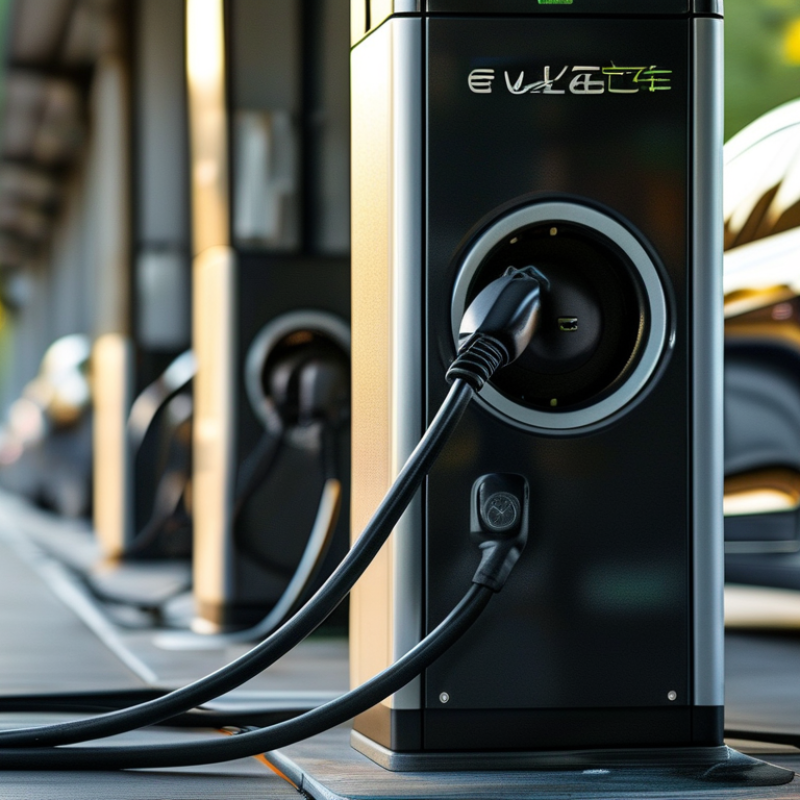
Why Choose a Car Fast Charger for Your Electric Vehicle?

Benefits of Using a Fast Charger for Electric Vehicles

Fast chargers bring several benefits to electric vehicle (EV) users. These chargers significantly reduce charging time. Instead of waiting hours, you can recharge your vehicle in under an hour. This is especially useful for those who often travel long distances. Imagine stopping for a coffee and leaving with a fully charged battery. This convenience turns charging into a quick pit stop.

Another advantage of fast chargers is their ability to enhance battery longevity. Many advanced models manage the charging speed effectively. They ensure the battery does not overheat, which can lead to damage. Maintaining the battery's health is crucial for long-term performance. Using fast chargers may seem risky at times, especially if you're unsure about their technology. Yet, when used properly, they can actually support better battery life.

Cost savings come into play as well. Fast charging may be more expensive per session. However, the reduction in downtime and the efficiency gained can offset these costs. Think about how much you save in time and energy. Over time, the benefits can outweigh the initial investment in a fast charging system.

How Fast Chargers Work Compared to Standard Chargers

Fast chargers are revolutionizing electric vehicle (EV) refueling. Unlike standard chargers, which often provide 3.7 kW to 7.4 kW, fast chargers can deliver 50 kW to 350 kW. This significant difference means that a fast charger can restore up to 80% of an EV’s battery in about 30 minutes, depending on the vehicle's battery capacity. In contrast, standard chargers may take several hours for the same charge.

The rapid charging process relies on high power levels and specialized connectors. These connectors enable larger currents to flow without overheating. According to a report from the International Energy Agency, the global count of fast charging stations has surged over 70% in the last two years. This growth highlights the increasing demand for convenient charging solutions. However, not all EVs support fast charging. Owners must check compatibility to avoid frustration.

Tips: Ensure your EV is compatible with fast chargers. Understand the difference between AC and DC charging. If you often use standard chargers, consider your charging habits. They can still serve the purpose if time flexibility is available. Balancing your needs is essential for an efficient EV experience.

Factors to Consider When Choosing a Fast Charger

Choosing a fast charger for your electric vehicle involves several key factors. One crucial aspect is the charging speed. Different chargers offer varying output levels. Consider how quickly you need to recharge. Fast chargers can significantly reduce your downtime. Look for chargers that can provide sufficient power to match your vehicle’s capability.

Another important factor is the installation location. Where will you primarily charge your vehicle? Home installations offer convenience. Public stations present challenges, like availability and distance. Evaluate your daily routes and charging patterns. If you frequently travel long distances, having access to fast chargers along your route is vital.

Cost is also a consideration. Higher power chargers may have larger price tags. However, they can save you time in the long run. Weigh the initial investment against the convenience gained. Is it worth it for your lifestyle? Finally, ensure any charger you consider is compatible with your vehicle. Compatibility issues can lead to frustration. Research and verify all specifications before making a decision.

Types of Fast Chargers Available for Electric Vehicles

As electric vehicles (EVs) gain popularity, the demand for fast chargers has surged. Fast chargers can significantly reduce charging time, allowing drivers to get back on the road quickly. There are three main types of fast chargers to consider: Level 2 chargers, DC fast chargers, and ultra-fast chargers. Each type offers different charging speeds and locations, making them ideal for various situations.

Level 2 chargers are common in residential and commercial areas. They provide around 10-30 miles of range per hour. According to a 2022 report by the U.S. Department of Energy, nearly 70% of EV charging occurs at home. In contrast, DC fast chargers provide rapid charging, offering up to 80% charge in about 30 minutes. A study from the International Energy Agency noted that DC fast chargers have been critical in expanding the EV charging infrastructure, with over 30,000 units deployed worldwide by the end of 2021.

Ultra-fast chargers are the latest development in EV charging technology. They can deliver over 350 kW, allowing some EVs to gain up to 200 miles of range in just 10-15 minutes. Despite their advantages, the installation and maintenance costs of ultra-fast chargers can be significant, leading to varying accessibility in different regions. As the industry evolves, optimizing the deployment of these chargers remains a challenge. Balancing speed, cost, and accessibility is essential for supporting the growing EV market.

Types of Fast Chargers for Electric Vehicles

This chart illustrates the different types of fast chargers available for electric vehicles and their corresponding charging speeds measured in kilowatts (kW). As you can see, Ultra Fast Chargers provide the highest charging speed, making them ideal for quick charging needs on long journeys.

Impact of Fast Charging on Electric Vehicle Battery Life

Fast charging technology has revolutionized the electric vehicle (EV) landscape by offering quick refueling options. However, it's essential to understand its effects on battery life. Research indicates that frequent fast charging can result in faster degradation of lithium-ion batteries. A study by the National Renewable Energy Laboratory found that batteries charged with high currents may lose up to 20% of their capacity over five years compared to those charged at lower rates.

In contrast, moderate charging practices can enhance battery longevity. Data from the International Energy Agency shows that slow charging methods can elevate a battery's lifespan significantly. For instance, charging at home overnight is gentler on the battery. It promotes a healthier cycle and reduces wear on the battery components. But this approach requires longer wait times, which can be impractical for some users.

Many EV owners grapple with the dilemma between convenience and battery health. Fast chargers are often available in public places, offering quick power boosts. Yet, the potential impact on battery life can't be overlooked. Monitoring charging habits can lead to better battery performance. Striking a balance between fast and regular charging is crucial for sustaining an EV's efficiency.

FAQS

: What is a key benefit of using fast chargers for electric vehicles?

: Fast chargers significantly reduce charging time, allowing you to recharge in under an hour.

How do fast chargers impact battery longevity?

They manage charging speed to prevent overheating, helping to maintain battery health over time.

Are fast chargers more expensive to use?

Yes, they may cost more per session, but they save time and reduce downtime, balancing the expense.

How fast can a fast charger restore an EV battery?

Fast chargers can restore up to 80% of an EV's battery in about 30 minutes, depending on the vehicle.

What is the difference between fast chargers and standard chargers?

Fast chargers deliver 50 kW to 350 kW, while standard chargers typically provide only 3.7 kW to 7.4 kW.

Why is compatibility important for using fast chargers?

Not all EVs support fast charging, so it's crucial to check compatibility to avoid inconvenience.

What should you know about charging connectors?

Fast chargers use specialized connectors that allow larger currents without overheating, making them efficient.

Can I still use standard chargers if I have fast charging options?

Yes, standard chargers can still be useful, especially if you have more time and flexibility available.

What is a potential concern with fast charging?

Some users may feel it's risky without understanding the technology, but proper use supports better battery life.

How is the growth of fast charging stations affecting users?

The increase in fast charging stations offers more convenient solutions, but users need to adapt to this change.

Conclusion

Using a Car Fast Charger for your electric vehicle presents numerous advantages, such as significantly reducing charging time, which enhances convenience for daily travel. Unlike standard chargers, which may take several hours to fully charge an electric vehicle, fast chargers utilize higher power levels to provide a quicker energy boost. This efficiency is particularly beneficial for those with busy schedules or long commutes.

When selecting a fast charger, it's crucial to consider factors like compatibility with your vehicle, charging speed, and installation requirements. There are various types of fast chargers available, including Level 2 and DC fast chargers, each tailored to different needs. However, it’s important to note that frequent use of fast charging may affect the longevity of your vehicle's battery. Thus, understanding the balance between fast charging and battery health is essential for optimal electric vehicle performance.


Sophia

Sophia

Sophia is a dedicated marketing professional with an exceptional depth of knowledge about her company's products and services. With a keen understanding of market trends and customer needs, she crafts insightful blog posts that not only inform but also engage readers, enriching the company’s online......