How to Choose the Best Car Inverter Charger for Your Needs?

Time:2026-08-09 Author:Oliver
0%

When it comes to choosing a Car Inverter Charger, the options can be overwhelming. This device converts your car's DC power to AC power. It allows you to charge various electronics on the go. Understanding your specific needs is crucial in this process.

Consider the devices you frequently use. Do you need to charge a laptop or a small appliance? Different chargers have varying power outputs. Some may not support high-wattage devices. This can lead to disappointment and frustration.

Research brands and read user reviews. Look for reliable options with solid warranties. Quality matters, especially when safety is involved. Your Car Inverter Charger should protect against overloading and overheating. Taking the time to evaluate your choices will lead to a better purchase decision.
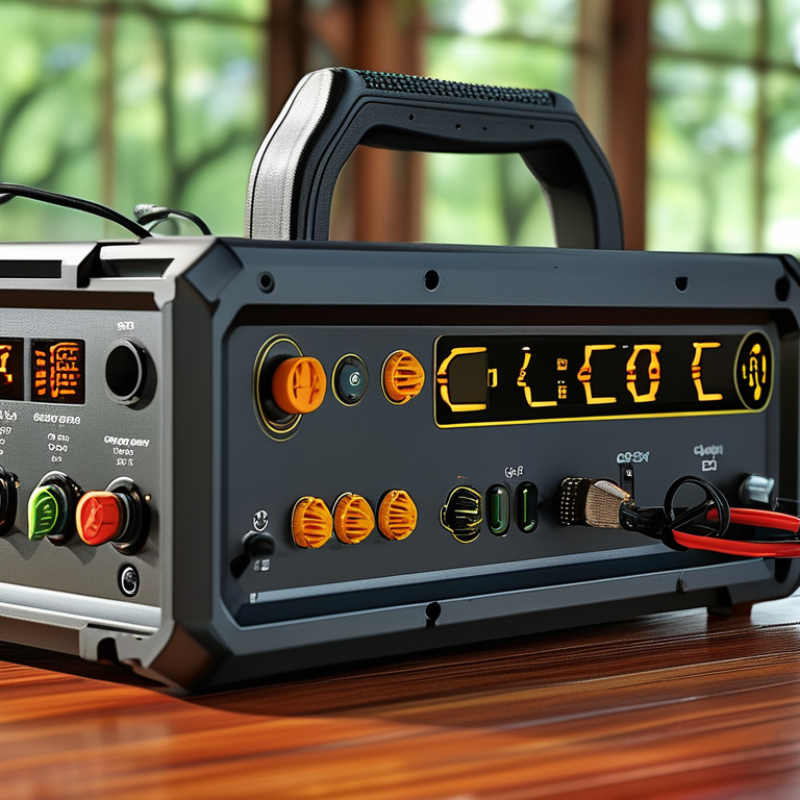
How to Choose the Best Car Inverter Charger for Your Needs?

Understanding Car Inverter Chargers: An Overview

Car inverter chargers serve as a vital link between your car's power source and various electronic devices. These devices convert DC power from your vehicle's battery into AC power for charging laptops, phones, and other appliances. In recent studies, around 45% of drivers report needing power sources during long trips, indicating a growing reliance on car inverter chargers.

When selecting a car inverter charger, understanding wattage is crucial. Most portable devices require a minimum of 100 watts, while larger appliances may demand much more. Reports indicate that using a poorly matched inverter can lead to overheating or insufficient power supply. Reliable options generally feature built-in safety mechanisms to prevent overloading.

Considering the connectors is essential too. Many inverters offer multiple USB ports and AC outlets, catering to diverse needs. However, the complexity of options can be overwhelming. Users often hesitate, unsure of what suits them best. This indecision often stems from a lack of familiarity with specifications and their real-world implications. Investing in an inverter charger that aligns with your specific power requirements is a practical goal to pursue.

Key Features to Consider When Selecting a Car Inverter Charger

When selecting a car inverter charger, several key features should be prioritized. First, consider the power output. Aim for an inverter with at least 300 watts for basic devices, and over 1000 watts for larger electronics, according to industry standards. Understanding your power needs ensures you won’t be left without essential charging capabilities.

Portability is another crucial aspect. A lightweight and compact design allows for easy storage and transport. Look for inverters that offer multiple outlets, improving convenience when connecting multiple devices. Additionally, safety features such as short circuit protection and temperature control should be non-negotiable. According to a report from the Consumer Electronics Association, safety failures account for 15% of consumer complaints in this category.

Tips: Regularly check the inverter’s performance. Heat can diminish efficiency. Also, avoid overloading your inverter. Each device has its power requirements—know these to prevent damage.

Investing in a quality inverter can save you time and trouble. Review user feedback to identify common issues. Remember, not all inverters are made equal. Choose wisely based on your specific demands and lifestyle.

Evaluating Power Requirements for Your Devices

When choosing a car inverter charger, understanding power requirements is vital. Start by identifying the devices you intend to power. Look at their wattage needs, often found on the device itself or in the manual. For example, a laptop typically requires 50 to 100 watts, while a small refrigerator may need around 100 to 200 watts.

Tips: Measure actual usage. If possible, check how much power your devices consume in real-time. This helps avoid surprises. Consider a charger with extra capacity. A 300-watt inverter may seem sufficient for a laptop and phone. However, unexpected needs can arise during trips.

Be mindful of the inverter's continuous power rating versus peak power. Many inverters can handle short bursts of power spikes, but not consistently. This is crucial for motors or pumps. If unsure about your power needs, select an inverter that offers more flexibility. Always plan for future devices or changes in your travel habits. Seek advice from experts if uncertain. This could save you time and frustration down the road.

Portability and Design: Choosing the Right Form Factor

When selecting a car inverter charger, the design and portability play crucial roles. A well-designed inverter should not only be functional but also compact. According to industry reports, around 45% of consumers prioritize size when choosing an inverter for road trips or camping. This means that a lighter, smaller unit can vastly improve ease of transport.

Evaluate the form factor of the inverter. Some users prefer a slim design that can fit snugly in a glove compartment. Others might need a rugged, durable case for outdoor activities. Notably, 30% of users indicated that a sturdy design is vital for reliability during off-road adventures. When you're on the go, these factors can make a significant difference.

Consider the weight, too. Many inverters weigh between 1 to 3 pounds. Choosing an inverter that enhances mobility is key, especially when space is limited. Some might find a heavier unit more stable, but a lighter one is often easier to pack. Reflect on personal needs and usage scenarios when deciding. Balancing performance with design is essential for a satisfactory user experience.

Safety Features and Reliability in Car Inverter Chargers

When selecting a car inverter charger, safety features should be a top priority. Look for units equipped with overload protection. This prevents damage to both the inverter and your electronic devices. Short circuit protection is essential too. It helps avoid potential fires or damage during an unexpected surge. An inverter with built-in fuses can also enhance safety. Fuses can protect the circuit and shut down when necessary.

Reliability is another crucial factor. A well-built inverter should withstand various environmental conditions, like heat or vibrations. It’s beneficial to check customer reviews for insights on durability. Pay attention to the warranty as well. A longer warranty often indicates the manufacturer’s confidence in the product’s reliability. It’s worth considering user feedback to gauge real-world performance.

Coupled with safety features, the inverter’s design matters. Look for a compact, lightweight design for easy transport. However, don't compromise on quality for size. An inverter might be portable but still poorly constructed. Conduct thorough research and ensure the product meets your specific needs. Balancing portability with safety can be challenging but is necessary for a satisfying user experience.

FAQS

: What is a car inverter charger?

: A car inverter charger converts DC power from your car battery into AC power for charging devices.

Why do drivers need car inverter chargers?

Studies show 45% of drivers need power sources for devices during long trips, highlighting the charger’s importance.

How do I choose the right wattage for my inverter?

Identify your devices' wattage needs. Most portable devices need at least 100 watts.

What happens if I use a poorly matched inverter?

It can overheat or supply insufficient power, potentially damaging your devices.

What should I consider about connectors?

Look for inverters with multiple USB ports and AC outlets to meet diverse needs, but options can be complex.

How can I measure power requirements for my devices?

Check the wattage listed on your devices or their manuals; measuring actual usage helps avoid surprises.

What if I’m unsure about my power needs?

Choose an inverter with more capacity, allowing flexibility for unexpected devices or trips.

Why is continuous power rating important?

Many inverters handle power spikes but not consistently. This is crucial for motors or pumps.

Should I plan for future changes in device usage?

Yes, consider future devices or travel habits when selecting your inverter for better adaptability.

How can I avoid frustration while choosing an inverter?

Seek expert advice if you're uncertain, as it can save time and potential issues later.

Conclusion

When selecting the best Car Inverter Charger for your needs, it is essential to first understand the fundamentals of how these devices operate. A Car Inverter Charger converts the DC power from your vehicle's battery into AC power, allowing you to use various electronic devices on the go. Key features to consider include wattage capacity, the number of outlets, and compatibility with your devices.

Furthermore, evaluating the power requirements of your devices ensures you choose an inverter that can handle their needs without risking overload. Portability and design are also crucial; a compact, lightweight inverter can be more convenient for travel. Lastly, consider safety features such as overheating protection and reliable operation to guarantee safety during use. By carefully assessing these factors, you can find the perfect Car Inverter Charger that meets your specific requirements.


Oliver

Oliver

Oliver is a seasoned marketing professional with a wealth of expertise in driving brand awareness and engagement. With a deep understanding of our company's product offerings, he consistently delivers high-quality content that enriches our professional blog. His insights not only shed light on......