How to Choose the Best DC EV Charger for Your Business Needs?

Time:2026-07-25 Author:Sienna
0%

In today’s rapidly evolving world of electric vehicles, choosing the right DC EV charger is crucial for businesses. A suitable charger can enhance customer experience and support sustainability goals. However, the market is filled with options, making selection daunting.

DC EV chargers are known for their fast charging capabilities. This feature is essential for businesses that cater to high traffic. Yet, not every model fits every need. Assessing your specific requirements is vital. Consider the charger’s compatibility with various EV models. Additionally, think about the location and power supply capabilities.

Choosing a DC EV charger should not be rushed. Take time to evaluate potential suppliers and their offerings. Look for those with expertise in EV infrastructure. Seek feedback from other businesses that have already made similar investments. A thorough consideration can save time and resources down the road.
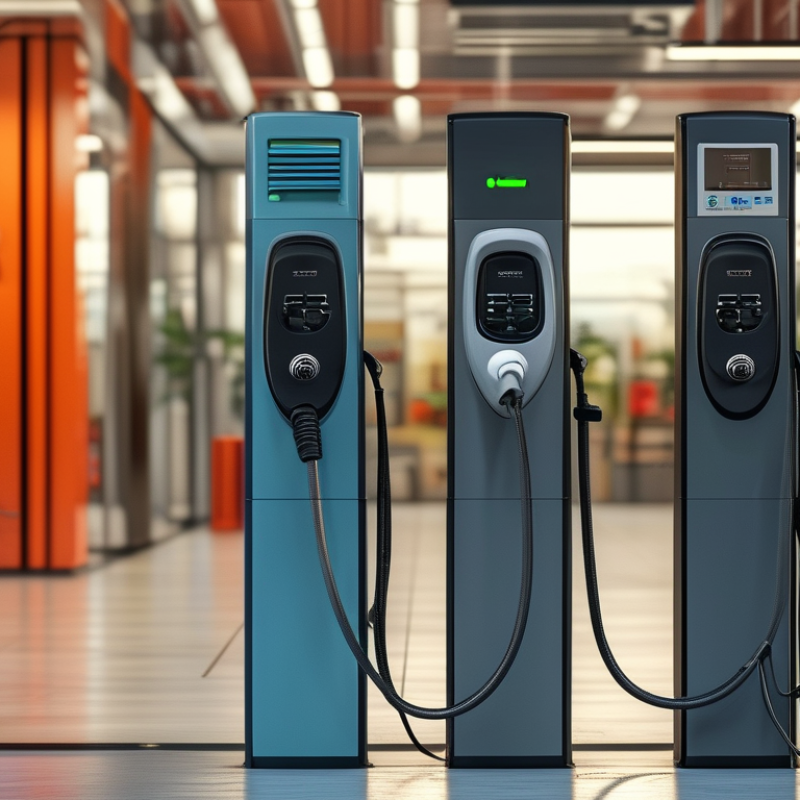
How to Choose the Best DC EV Charger for Your Business Needs?

Understanding the Different Types of DC EV Chargers Available

When selecting a DC EV charger for business, understanding the types available is crucial. DC fast chargers are designed for quick charging, typically offering charging rates from 50 kW to 350 kW. This makes them suitable for commercial settings, especially those with high traffic. They can recharge electric vehicles (EVs) within minutes, allowing businesses to manage user turnover efficiently and keep customers satisfied.

There are two main categories of DC EV chargers: Level 2 and Level 3. Level 2 chargers offer moderate speeds, ideal for locations where EVs are parked longer, like workplaces. Level 3 chargers, or fast chargers, are perfect for quick stops. Users must weigh the cost of installation and maintenance against potential user demand.

It’s important to consider the number of EVs expected at your location. If your business attracts many users, having multiple fast chargers may be beneficial. On the other hand, if the flow is sporadic, Level 2 chargers may suffice. Each option has its pros and cons, and businesses should remain open to reevaluating their needs as the EV market evolves.

Evaluating Charging Speed Requirements for Your Business

When choosing a DC EV charger for your business, understanding the charging speed is crucial. The charging speed categorizes into levels, with Level 3 DC fast chargers offering significant advantages. A recent study by the International Energy Agency (IEA) highlights that DC fast chargers can deliver up to 80% charge in approximately 30 minutes. This quick turnaround enhances customer satisfaction and operational efficiency.

Evaluating your business’s charging speed requirements involves considering your clientele and vehicle types. For instance, fleet vehicles or commercial delivery vans may require rapid charging. Data from the U.S. Department of Energy suggests that businesses with high turnover rates in vehicle usage can benefit from chargers that provide at least 150 kW. This aligns with industry trends towards greater electric vehicle adoption, which shows no signs of slowing.

Moreover, the installation of high-speed chargers is not without challenges. Some businesses face logistical hurdles, such as electrical infrastructure limitations and installation costs. Research indicates that nearly 40% of businesses find the upfront expense daunting. This is a critical point to reflect upon; while higher speed chargers offer benefits, the financial implications must be weighed carefully. Each business must assess both current and future demands, ensuring that their investment aligns with long-term goals.

Assessing Compatibility with Electric Vehicle Models

Choosing the best DC EV charger for your business is critical. A key consideration is compatibility with various electric vehicle models. Each EV has unique charging needs. Researching these requirements can save time and money.

Different chargers support different protocols. Some work with most electric vehicles, while others are limited. For larger fleets, investing in versatile charging solutions makes sense. It ensures that any EV in your fleet will charge efficiently. Understanding which vehicles your customers use will guide your choice.

Assessing future needs is important too. As technology evolves, new EV models will emerge. It’s worth considering chargers that can adapt to potential updates in vehicle technology. Flexibility will provide long-term value and reliability. Investing in the right infrastructure now can position your business ahead of competitors.

Analyzing Installation and Maintenance Considerations

When selecting a DC EV charger for your business, installation and maintenance are crucial aspects. Proper installation ensures safety and efficiency. A qualified technician can assess your site for adequate power supply, space, and accessibility. These elements affect both performance and user experience. It's also vital to consider local regulations. Ensure compliance to avoid fines and disruptions.


Maintenance should not be overlooked. Regular checks can prevent costly repairs and downtime. Inspect cables, connectors, and charging units periodically. This proactive approach is essential for reliability. You might encounter issues like software glitches or hardware wear. Keeping a record of maintenance activities helps identify trends and potential problems early.


Evaluating installation and maintenance needs is an ongoing process. Feedback from users can provide insights into the charging experience. Consider customer satisfaction as a metric for improvement. Balancing these factors requires attention to detail and adaptability to changing technologies.

Estimating Total Cost of Ownership for DC EV Chargers

When considering a DC EV charger for your business, it's crucial to estimate the total cost of ownership. This involves more than just the initial purchase price. You must account for installation, maintenance, and energy costs. Unexpected expenses can arise if you overlook these factors.

Many businesses assume their electric vehicle (EV) charging infrastructure will be inexpensive. Yet, installation can vary significantly based on location and site conditions. Some places may require trenching or extensive electrical upgrades. Maintenance costs also need attention. Regular inspections and component replacement can add up over time.

Additionally, think about how often your chargers will be utilized. High usage can lead to quicker wear and tear, increasing maintenance costs. Consideration of charging speed is also vital. A faster charger may have a higher upfront cost, but it can generate more revenue. Therefore, a thorough assessment is essential before making any decisions.

Cost Breakdown of DC EV Chargers for Business

This chart illustrates the estimated total cost of ownership for DC EV chargers over a 5-year period, including initial investment, maintenance, electricity, and installation costs.

FAQS

: What is the charging speed advantage of Level 3 DC fast chargers?

: Level 3 DC fast chargers can deliver up to 80% charge in about 30 minutes. This increases customer satisfaction significantly.

How can businesses determine their charging speed requirements?

Businesses should consider their clientele and vehicle types when evaluating charging speed needs. Fleet vehicles often require rapid charging solutions.

What is a recommended charging capacity for high turnover businesses?

Businesses with high vehicle turnover should consider chargers that provide at least 150 kW. This aligns with current industry trends.

What challenges might businesses face when installing high-speed chargers?

Businesses may encounter logistical hurdles and installation costs, with nearly 40% finding upfront expenses daunting. This needs careful reflection.

Why is compatibility with different EV models important?

Each electric vehicle has unique charging requirements. Choosing compatible chargers saves time and money while ensuring efficient charging for all vehicles.

How can businesses prepare for future EV technology updates?

Businesses should look for adaptable chargers that can accommodate evolving vehicle technology. Flexibility can provide long-term value and reliability.

What are essential considerations for installation of DC EV chargers?

Ensure proper installation by a qualified technician to assess power supply and space. Safety and efficiency depend on these factors.

Why is regular maintenance important for EV chargers?

Regular checks can prevent costly repairs and downtime. Inspect cables and charging units to ensure reliability and avoid disruptions.

How can businesses evaluate customer satisfaction with charging stations?

Feedback from users helps identify improvement areas and gauge the charging experience. It's essential for ongoing enhancement.

What should businesses do if they encounter charging issues?

Keeping a maintenance log helps spot trends and potential problems early. This proactive approach is key for managing issues effectively.

Conclusion

When selecting the best DC EV charger for your business needs, it is crucial to understand the different types of chargers available in the market. A thorough evaluation of charging speed requirements is essential, as this will impact the efficiency of your operations. Additionally, compatibility with the various electric vehicle models that your clientele may use should be assessed to ensure accessibility and convenience.

Installation and maintenance considerations also play a vital role in your decision-making process. It's important to analyze the infrastructure needs and ongoing maintenance requirements to ensure the charger operates smoothly over time. Finally, estimating the total cost of ownership for DC EV chargers will provide insights into long-term investment viability, helping you make a well-informed choice that aligns with your business goals.


Sienna

Sienna

Sienna is a skilled marketing professional with a deep expertise in our company’s core products and services. With a passion for innovation and detail, she plays a pivotal role in crafting insightful blog posts that not only highlight the unique features of our offerings but also provide valuable......