The adoption of electric vehicles (EVs) is accelerating globally. In 2022, over 10 million EVs were sold, reflecting a 55% increase from the previous year. As this trend grows, the need for efficient home car charging stations is crucial. A reliable home charging solution offers convenience and can enhance EV ownership experiences.
Home car charging stations not only provide cost savings compared to public charging but also cater to diverse consumer needs. Reports suggest that 80% of EV owners prefer charging at home. However, many face challenges, such as installation costs and finding the right technology. Home charging solutions must address these complexities to be effective.
Choosing the right charging station involves understanding compatibility, charging speed, and installation requirements. As the market expands, consumers need access to reliable information and expert recommendations. With varying options available, buyers must critically evaluate their choices. This decision-making process may seem overwhelming, but it's essential for maximizing the potential of electric vehicle ownership.
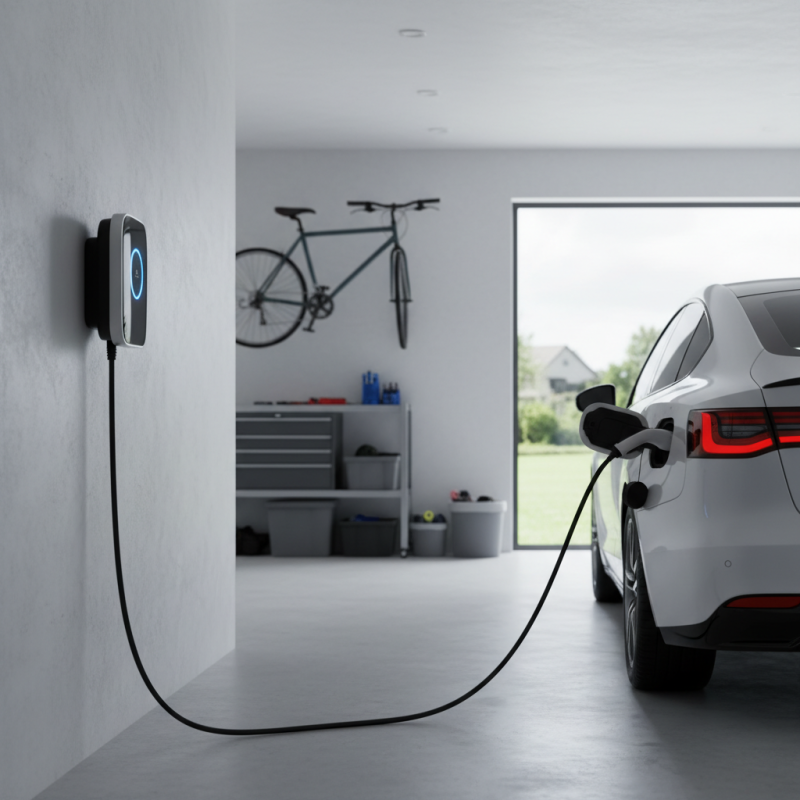
Understanding Home Car Charging Stations: A Comprehensive Guide
Home car charging stations are becoming essential as electric vehicles gain popularity. A report by the International Energy Agency (IEA) indicates that global electric vehicle sales surged by 108% in 2021, highlighting the urgent need for accessible charging solutions at home. Many buyers are exploring options that fit their needs and budgets, yet the market is saturated with varied choices.
Selecting the right charging station requires understanding your home’s electrical capacity. Research shows that most home chargers operate at 240 volts, providing a full charge in 4-8 hours. Additionally, the U.S. Department of Energy notes that about 80% of EV owners charge their vehicles at home, underscoring the importance of efficient systems. However, it's important to recognize that not all homes may accommodate advanced charging stations without electrical upgrades. Homeowners may face complexities in installation and costs.
While many solutions exist, it’s crucial to assess safety and compatibility. Improper installation can lead to hazards. Furthermore, some regions have limited grid capacity. A well-informed decision balances convenience, cost, and potential challenges. Looking at these factors will help buyers navigate the myriad of options available in today's market.
Top Home Car Charging Station Solutions for Global Buyers
| Charging Station Type |
Charging Speed (kW) |
Compatibility |
Installation Type |
Price Range (USD) |
| Level 1 Charger |
1.4 - 1.9 kW |
Most EVs |
Plug-in Wall Outlet |
300 - 600 |
| Level 2 Charger |
3.7 - 22 kW |
Most EVs |
Hardwired or Plug-in |
500 - 2,200 |
| DC Fast Charger |
24 - 350 kW |
Select EVs |
Usually Public Locations |
10,000 - 40,000 |
| Smart Charging Station |
3.7 - 22 kW |
Most EVs |
Plug-in or Hardwired |
600 - 3,000 |
| Portable Charger |
1.4 - 3.7 kW |
Most EVs |
Portable |
200 - 1,000 |
Types of Home Charging Stations: Level 1, Level 2, and DC Fast Chargers
Selecting the right home charging station is crucial for EV owners. Understanding the types available can help ease this decision. Level 1 chargers are the most basic. These standard 120-volt outlets are common in homes. They provide about 4-5 miles of range per hour. While convenient, they can take a long time to fully charge a vehicle.
On the other hand, Level 2 chargers boast a 240-volt connection. They are much quicker, offering up to 25 miles of range per hour. This type has become popular among homeowners. Industry reports suggest that up to 70% of EV owners prefer Level 2 chargers for home use. They generally require professional installation, which might deter some buyers.
DC Fast Chargers represent the pinnacle of home charging solutions. They deliver rapid charging capabilities, allowing for an 80% charge in around 30 minutes. However, they come at a high cost and require significant electrical upgrades. Even with their power, these chargers aren't always practical for residential use. Homeowners should consider their driving habits and energy needs. Each charger has pros and cons, and not every solution fits all.
Key Features to Consider When Choosing a Home Charging Station
When selecting a home charging station, several key features demand attention. One of the most crucial factors is the charging speed. Depending on the power output, some stations can fully recharge an electric vehicle in just a few hours, while others might take overnight. This difference can significantly impact convenience. It’s essential to assess your driving habits and needs here.
Another aspect to consider is compatibility. Ensure the charging station works with your vehicle model. Some stations may only support specific types of electric vehicles, which limits your options. Additionally, look into safety features like overcurrent protection and temperature control. These features help prevent potential hazards during charging sessions.
Finally, the station's installation requirements can be a game changer. Some units require complex wiring, while others are plug-and-play. Before making a decision, evaluate the layout of your home and where you plan to install the station. This will influence overall costs and practicality. Reflecting on these factors can help identify the best solution for your needs, though navigating the options can be overwhelming.
Top Brands and Models of Home Charging Stations for Global Buyers
As electric vehicles (EVs) gain popularity, home charging station solutions are essential for global buyers. A 2022 report from the International Energy Agency highlighted that the number of EVs on the road reached over 16 million, signaling a growing need for efficient home charging options. Key brands offer models suitable for various budgets and needs.
One popular type is the Level 2 home charger, which can deliver up to 240 volts. These chargers typically provide faster charging times, averaging 11.5 kW per hour. Certain models can fully charge an EV in about four to eight hours. However, installation costs can vary widely, often ranging from $500 to $2,000 depending on home wiring and local labor costs. Research indicates that buyers often overlook these installation fees, impacting their overall budgeting.
**Tip:** Consider your home’s electric capacity before purchasing. This ensures optimal performance and safety. Additionally, research local incentives for EV charging installations, as many regions offer rebates. Understanding your unique needs is crucial. Not all models fit every homeowner's situation. Look for features that match your lifestyle and charging frequency.
Installation and Maintenance Tips for Home Car Charging Stations
When installing a home car charging station, careful planning is essential. Start by assessing your location’s electrical capacity. Consult with a qualified electrician to ensure your home can support the added load. Depending on existing amperage, you might need an electrical panel upgrade. A proper installation can enhance safety and efficiency, reducing long-term costs.
Maintenance of charging stations is often overlooked but crucial. Regularly inspect the charging cable for wear or damage. Clean the outlet and surrounding area to prevent debris accumulation. It’s important to address any technical issues promptly. Ignoring minor problems can lead to bigger, more costly repairs down the line.
User experience plays a significant role in optimizing your charging station. Pay attention to whether the station maintains a steady connection and charge speed. Document any unusual occurrences to help professionals diagnose issues more effectively. This proactive approach not only extends the life of your charging station but also ensures that your electric vehicle remains ready for use at all times.
FAQS
: Look at charging speed, compatibility, and safety features. These factors greatly affect convenience and performance.
Charging times vary. Some stations recharge in hours, while others may take overnight. It depends on power output.
Not all charging stations support every vehicle model. Verify compatibility to avoid restrictions on charging options.
Look for overcurrent protection and temperature control. These features help prevent hazards during the charging process.
Assess your home’s electrical capacity and location layout. This will impact installation costs and practicality.
Regularly inspect cables for damage. Clean the area around the outlet and address any technical issues promptly.
Overlooking maintenance can lead to significant issues. Minor problems can escalate and result in costly repairs later.
Pay attention to charge speed and connection stability. Document any unusual occurrences for later analysis.
Some stations are easier to install than others. Assess whether your installation requires complex wiring or is plug-and-play.
User experience is key to optimizing function. A steady charge connection enhances the reliability of your electric vehicle.
Conclusion
This article provides a comprehensive guide to understanding Home Car Charging Stations, essential for EV owners looking to charge their vehicles conveniently at home. It explores the different types of charging stations, including Level 1, Level 2, and DC Fast Chargers, each with distinct features and benefits tailored to various needs and budgets.
When selecting a Home Car Charging Station, key features should be considered, such as charging speed, compatibility with different vehicle models, and ease of installation. Furthermore, the article discusses installation and maintenance tips to ensure optimal performance and durability of the charging station. By understanding these aspects, global buyers can make informed decisions when investing in a Home Car Charging Station for their electric vehicles.

 Tongxing