How to Install a Home Car Charging Point Easily?

Time:2026-06-07 Author:Henry
0%

Installing a Home Car Charging Point can significantly enhance your electric vehicle experience. This setup provides convenience and efficiency for daily charging needs. Many homeowners feel overwhelmed at the thought of installation. Yet, taking the plunge leads to long-term savings and energy independence.

As electric vehicles gain popularity, the demand for Home Car Charging Points grows. Understanding the installation process can simplify everything. You'll need basic tools and knowledge about electrical systems. Local regulations can complicate matters, so it's crucial to research them first.

Consider hiring a professional if you're hesitant about DIY installations. They offer expertise that can help avoid common mistakes. While it can be a rewarding project, mistakes can be costly. A reliable Home Car Charging Point ensures your vehicle is always ready to go. Don't underestimate the satisfaction that comes from successfully charging at home.
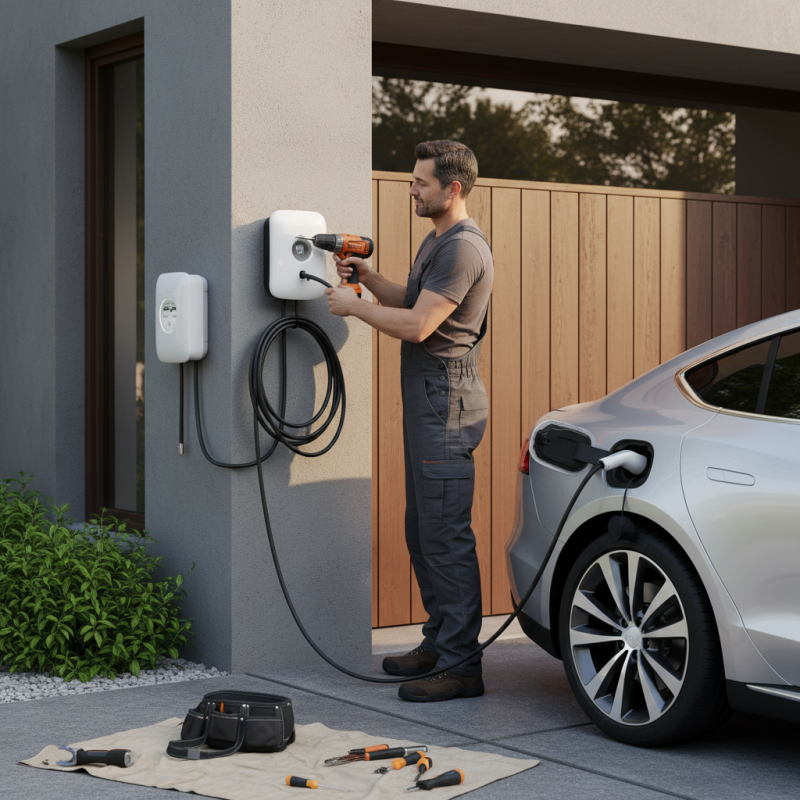
How to Install a Home Car Charging Point Easily?

Understanding the Basics of Home Car Charging Points

Understanding the basics of home car charging points is essential for every electric vehicle (EV) owner. At its core, a home charging point allows you to charge your EV conveniently. Unlike public stations, which can be scarce, a home setup provides a practical solution for daily charging needs.


Installation can be straightforward but requires careful consideration. First, assess your electrical system’s capacity. An electrician can help determine if an upgrade is needed. Selecting the right charger is crucial. Options vary in speed and features, impacting your charging experience. It's easy to overlook the specifics, but even small details matter.


Safety shouldn't be ignored. Ensure proper grounding and follow local codes. If DIY isn't an option, hire a professional. Remember, a poorly installed unit can cause significant issues. Reflect on your needs and the future of EV technology. Will your setup accommodate new advancements? Taking these aspects into account can guide a better overall experience.

Assessing Your Home’s Electrical Capacity for Charging Needs

Assessing your home’s electrical capacity is crucial before installing a charging point for your electric vehicle. Start by checking your existing electrical panel. Most homes have a 100-200 amp service. This rating determines how much power is available for your charger. If it's on the lower end, you may need an upgrade. Consulting a licensed electrician can clarify this process. They can help assess if your system supports the additional load.

Next, consider the distance from your electrical panel to the proposed charging point location. Long distances can increase installation costs. If the distance is significant, additional wiring may be needed, which could complicate the installation. Ensure your electrical connections are secure. You want a reliable setup to handle the charging demands.

Finally, reflect on your future plans. Will more electric devices be added? Will other family members also be using electric vehicles? These factors can influence your home's electrical capacity. Always prioritize safety and efficiency when making these assessments. Engaging with professionals can help you navigate these complex considerations. Taking these steps can ensure a smooth installation process for your home charging point.

How to Install a Home Car Charging Point Easily? - Assessing Your Home’s Electrical Capacity for Charging Needs

Aspect Details
Electrical Capacity 100 Amps
Home Voltage 240 Volts
Charger Type Level 2 (7.2 kW)
Estimated Charging Time 4-6 hours
Circuit Breaker Size 40 Amps
Distance from Main Panel 20 feet
Grounding Requirement Yes
Installation Time 2-4 hours
Permit Required Depends on Local Regulations

Choosing the Right Charging Equipment for Your Vehicle

Choosing the right charging equipment for your electric vehicle (EV) is essential. With various types of chargers available, it can be overwhelming. Start by considering the model of your EV. Different vehicles support different charging speeds and connector types. Make sure to check your vehicle’s specifications.

Next, look into the charging power. Level 1 chargers use standard outlets and are slower. Level 2 chargers are more efficient for home use and can significantly reduce charging time. Installing a Level 2 charger is often more practical. However, ensure your home’s electrical system can support it.

Don't forget about smart charging options. Some chargers come with features like scheduling and energy monitoring. This functionality can save you money on electricity. But, remember, these features may increase the initial cost and complexity of installation. There’s often a learning curve. It’s all about finding the balance between cost, efficiency, and convenience for your specific needs.

Step-by-Step Installation Process for Home Charging Point

Installing a home car charging point involves careful planning and knowledge of electrical systems. Many homeowners want to make this transition as electric vehicle (EV) popularity surges. In fact, a report by the International Energy Agency states that the number of EVs on the road could increase to 145 million globally by 2030. This growth emphasizes the necessity of accessible charging solutions.

Start by assessing your electrical system. Consult an electrician to ensure your home can handle the additional load. A standard home charger requires a dedicated circuit, often needing a 240V outlet. This could involve upgrading your electrical panel, a step many overlook. Research indicates that roughly 50% of homes may need such upgrades to support a new charger.

Once the electrical assessment is complete, choose a suitable charging station that meets your needs. Installation typically takes a few hours and may involve drilling and mounting. Safety is crucial; ensuring proper grounding and a secure connection is needed to mitigate risks. Remember, even with a professional installer, you may still encounter unexpected challenges. Staying informed about electrical codes and local regulations can prevent issues down the line.

Safety Considerations and Maintenance Tips for Your Charging Station

When installing a home car charging point, safety should always be the top priority. Ensure your electrical system can handle the added load. Consult a qualified electrician to assess your home’s capacity. Check your wiring and circuit breakers; they should be in good condition. If you notice any fraying or damage, address these issues promptly.

Tips: Regularly inspect your charging cable for wear and tear. Replace any damaged parts immediately. Keep the area around the charging station clean and dry. This prevents hazards and extends the life of your equipment.

Consider the location of your charging point. It should be easily accessible but away from traffic. Avoid placing it in wet or damp areas. Install a weatherproof cover if it's outdoors. Remember to follow local regulations regarding electrical installations. Maintaining your charging station is crucial. Periodically check for software updates if your charger supports them. These updates can enhance performance and security.

FAQS

: How do I choose the right charger for my electric vehicle?

: Check your vehicle's specifications. Different models support various charger types and speeds.

What's the difference between Level 1 and Level 2 chargers?

Level 1 chargers are slow, using standard outlets. Level 2 chargers are faster and more efficient for home use.

Is it necessary to consult an electrician for installation?

Yes, consult a qualified electrician. They can assess your home's electrical capacity for the charger.

How can I ensure my charging equipment is safe?

Regularly inspect wiring and circuit breakers. Address any fraying or damage immediately.

What should I do to maintain my charging station?

Regularly inspect cables. Keep the area clean and dry to prevent hazards and extend equipment life.

Are smart chargers worth the extra cost?

Smart chargers have features like scheduling and monitoring. They may save money, but they increase installation complexity.

Where should I install my charging point?

Choose an accessible location away from traffic. Avoid wet or damp areas to prevent hazards.

How often should I check for software updates on my charger?

Periodically check for updates. They can improve performance and security.

What if I notice wear on my charging cable?

Replace any damaged parts immediately. This ensures safety and reliable charging.

Can my home's electrical system support a charger?

Ensure your system can handle the extra load. An assessment by an electrician is advisable.

Conclusion

Installing a Home Car Charging Point can greatly enhance the convenience of owning an electric vehicle. The process begins with understanding the basics of home charging systems, including different types of chargers and their respective power levels. It's essential to assess your home's electrical capacity to ensure it can support the charging needs of your vehicle, potentially requiring an upgrade to your electrical system.

Once you've determined your electrical capacity, choose the right charging equipment that is compatible with your vehicle. The installation process involves several steps, from selecting a suitable location to connecting the charger to your electrical supply. Safety considerations are paramount, and regular maintenance tips can prolong the life of your Home Car Charging Point, ensuring it operates efficiently for years to come.


Henry

Henry

Henry is a dedicated marketing professional with a profound expertise in the company's offerings. With years of experience in the industry, he possesses an impressive understanding of the market dynamics and consumer behaviors that drive success. Henry is committed to sharing his insights through......