Smart DC Charger Tips for Efficient Charging Solutions?

Time:2026-08-04 Author:Oliver
0%

As the electric vehicle (EV) market continues to expand, the need for robust charging solutions is more critical than ever. Smart DC chargers play a crucial role in this transformation. According to a recent report by the International Energy Agency (IEA), global EV sales surged to 6.6 million units in 2021, highlighting an urgent need for efficient charging infrastructure. Smart DC chargers are designed to meet this demand by providing faster charging times and improved energy management.

These charging systems integrate advanced technologies, including real-time monitoring and grid interaction. They enhance user experience while promoting energy efficiency. A study by McKinsey suggests that smart charging could reduce overall electricity demand by 30%. However, implementing these technologies is not without challenges. Many users and operators face issues, including infrastructure costs and integration hurdles.

Smart DC chargers hold the potential for enhanced sustainability in transportation. However, the market still requires careful consideration of user needs and local grid capabilities. This balance is essential for creating truly effective charging solutions.
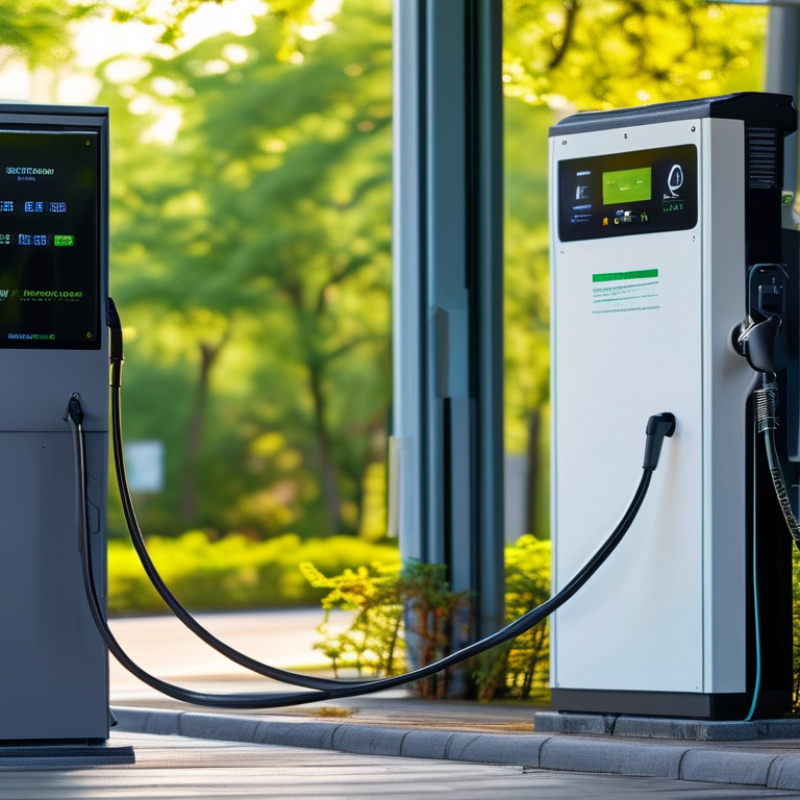
Smart DC Charger Tips for Efficient Charging Solutions?

Understanding Smart DC Chargers: What You Need to Know

Smart DC chargers have revolutionized the way we charge electric vehicles. Understanding their features is key to harnessing their full potential. These chargers provide rapid charging solutions, significantly reducing downtime. They can communicate with the vehicle to optimize charging speed and efficiency. Users often report confusion about the selection of chargers due to the variety available.

One crucial aspect is compatibility. Not all smart DC chargers work with every electric vehicle model. Researching specifications can help ensure an optimal match. While many models claim to be user-friendly, some might require technical knowledge. This complexity can lead to frustration, especially for new EV owners. Additionally, installation location plays a vital role in efficiency.

It's also important to consider cost versus efficiency. A more expensive charger may promise faster speeds but could require additional infrastructure. Weighing the benefits is essential. Balancing charging needs and budget constraints can be tricky. Discussing options with professionals often clarifies the best solutions available. Recognizing the limitations of certain features encourages informed decisions.

Key Features of Smart DC Chargers for Efficient Performance

Smart DC chargers have emerged as a vital solution for efficient energy delivery. These chargers boast several key features that enhance their performance and usability. One of the most important attributes is their ability to communicate with the vehicle. By gauging the battery's state, smart chargers can adjust the power output dynamically. This prevents overheating and extends battery life.

Another significant feature is the integration of user-friendly interfaces. Many smart DC chargers come equipped with mobile applications, allowing users to monitor charging progress in real time. This convenience enhances the user experience but can sometimes lead to overdependence on technology. It's essential to ensure that users remain aware of their vehicle's needs beyond app notifications.

Additionally, advanced safety features are a must for reliable performance. Smart DC chargers often include protections against overloading and short circuits. These technologies reduce the risk of damage. However, it’s important to acknowledge that as technology evolves, new vulnerabilities may emerge. Regular updates and maintenance of the charging station are crucial for maintaining safety and efficiency.

Optimizing Charging Time: Tips for Using Smart DC Chargers

When using smart DC chargers, optimizing charging time is crucial. Start by assessing your vehicle's battery capacity. This initial understanding helps you choose the right charging settings. Monitor the ambient temperature, as extreme conditions can impact charging efficiency. Additionally, ensure your charger’s firmware is updated. Updates often provide performance improvements.

For an efficient charging experience, avoid frequent partial charges. Instead, aim for deeper discharges before recharging. This method helps maintain battery health. Moreover, keep an eye on charging patterns. Regularly analyzing your charging habits allows you to identify inefficiencies.

Smart chargers often feature scheduling capabilities. Utilize these to charge during off-peak hours. This practice can save time and reduce energy costs. However, evaluate your routine. Reliability depends on consistently applying these tips. Sometimes, the simplest changes yield the best results.

Safety Considerations When Using Smart DC Chargers

When using smart DC chargers, safety should be a primary concern. Despite their advanced technology, these chargers can pose risks if not used correctly. According to industry reports, improper handling can lead to overheating, electrical faults, or even fires. Regular maintenance checks and adhering to manufacturer guidelines enhance safety and reliability in their usage.

One critical aspect is the compatibility with vehicle battery types. Not all chargers suit every battery chemistry. Mismatched chargers can lead to battery damage and reduced lifespan. A study from the Electric Power Research Institute highlights that using the right charger can improve battery efficiency by up to 30%. This calls for careful consideration when selecting charging solutions, prioritizing safety and efficiency.

User awareness is also vital. Educating users about the charging process can mitigate accidents. For instance, charging in extreme temperatures can lead to performance issues. Charging should occur within a temperature range of 0°C to 45°C. Moreover, having a backup plan for emergencies, like fire extinguishers nearby, can aid in prompt response. Emphasizing safety can transform user experience and promote confidence in adopting smart DC charging solutions.

Future Trends in Smart DC Charging Technology and Solutions

The future of smart DC charging technology is promising. As electric vehicles gain popularity, efficient charging solutions become vital. Innovation in smart charging can optimize energy consumption and reduce costs. Emerging technologies focus on integration, sustainability, and user experience. Adopting these trends can shape a greener future.

To enhance charging efficiency, consider these tips. Choose chargers with adjustable output settings. This feature allows for optimal energy transfer, dependent on the vehicle's requirements. Implementing smart grid solutions can further improve energy management. They connect vehicles to power resources, allowing for real-time data.

Regularly updating charging software is crucial. This keeps the technology aligned with advancements in energy systems. Collaborating with energy suppliers can ensure access to renewable sources. As electric vehicle adoption increases, maintaining engagement with innovative practices will be essential. Embracing the future can lead to a more sustainable transport ecosystem.

Smart DC Charger Tips for Efficient Charging Solutions

Feature Description Benefit Future Trend
Fast Charging Ability to charge vehicles quickly, often within 30 minutes. Reduces downtime for EV users. Integration with renewable energy sources.
Smart Connectivity IoT capabilities allowing remote monitoring and control. Enhances user experience and operational efficiency. Deployment of 5G technology for quicker data transfer.
User Authentication Utilizes mobile apps for secure access and payment options. Increases security and user trust. Biometric authentication for enhanced security.
Energy Management Optimizes power consumption by managing charging bandwidth. Maximizes efficiency and reduces costs. AI-driven predictive energy management systems.
Modular Design Flexible hardware that allows upgrades and repairs. Reduces waste and extends product lifespan. Emergence of customizable charging solutions.

FAQS

: What are smart DC chargers?

: Smart DC chargers efficiently deliver energy by communicating with the vehicle to optimize power output.

How do smart chargers enhance battery life?

They dynamically adjust power based on the battery's state, preventing overheating and improving lifespan.

What user-friendly features do these chargers have?

Many come with mobile apps for real-time monitoring, which enhances convenience but can create overdependence on technology.

Why is regular maintenance important for smart chargers?

Technology evolves, and new vulnerabilities may arise. Regular updates ensure safety and efficiency.

How can I optimize my charging time?

Assess battery capacity, monitor temperature, and avoid frequent partial charges to maintain battery health.

Should I charge my vehicle during peak hours?

It’s better to schedule charging during off-peak hours to save time and reduce energy costs.

What safety concerns should I be aware of?

Improper handling may lead to overheating or electrical faults. Regular checks are essential for safe usage.

Are all chargers suitable for every battery type?

No, mismatched chargers can damage batteries. Compatibility is crucial for effective and safe charging.

What temperatures are safe for charging?

Charge within a range of 0°C to 45°C to maintain performance and prevent issues.

How can user education improve safety?

Understanding the charging process helps users avoid accidents and reinforces the importance of proper charging practices.

Conclusion

Smart DC chargers are revolutionizing the way we approach electric vehicle charging by offering efficient, fast, and user-friendly solutions. Understanding the fundamental aspects of Smart DC chargers is essential for leveraging their full potential. Key features such as adjustable power output, remote monitoring, and user-friendly interfaces contribute significantly to their performance, making them an ideal choice for both individual users and commercial applications.

To optimize charging times with Smart DC chargers, users should consider factors such as battery state, charger placement, and optimal scheduling. Additionally, prioritizing safety by adhering to guidelines and utilizing certified equipment ensures a reliable charging experience. As technology advances, future trends in Smart DC charging are expected to enhance sustainability and integration with renewable energy sources, paving the way for even smarter and more efficient charging solutions.


Oliver

Oliver

Oliver is a seasoned marketing professional with a wealth of expertise in driving brand awareness and engagement. With a deep understanding of our company's product offerings, he consistently delivers high-quality content that enriches our professional blog. His insights not only shed light on......