As the electric vehicle market continues to grow, the demand for efficient and reliable Home Car Chargers has surged. Industry expert John Smith, a consultant at EV Solutions, states, "A quality Home Car Charger can significantly enhance the EV ownership experience." This highlights the importance of choosing the right charger for your home.
In 2026, buyers will face an array of options. Selecting a Home Car Charger requires understanding its features and compatibility with your vehicle. Many features enhance user convenience, such as smart technology and fast charging. However, not all chargers are created equal. Some may fall short on performance or reliability, leading users to reflect on their choices.
Investing in a Home Car Charger is essential for maximizing the benefits of electric vehicles. With so many models on the market, buyers need critical insights. Careful consideration of specifications, brands, and reviews will lead to a more satisfying purchase. The future of electric vehicle charging lies in the right home solution.
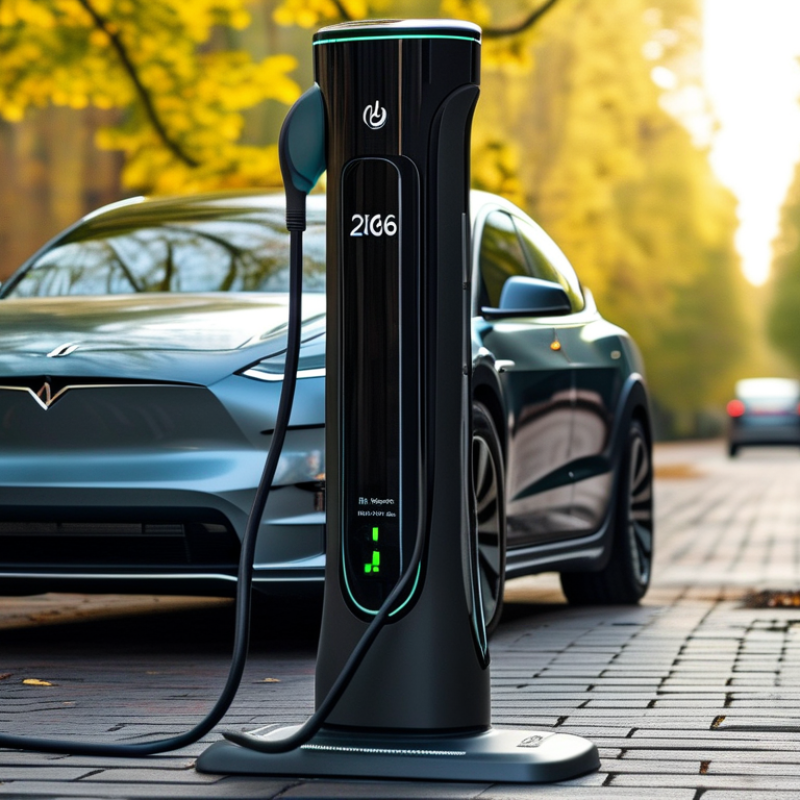
As the electric vehicle (EV) market expands, charging infrastructure becomes critical. By 2026, an estimated 145 million EVs will be on the road globally, according to the International Energy Agency. This surge in adoption pushes the need for efficient home car chargers. The demand for fast and reliable charging solutions is evident in various consumer reports.
Research indicates that 66% of EV owners prefer charging at home due to convenience. A recent study found that well-planned home charging systems can reduce energy costs by 20%. However, the readiness of home electrical systems often lags behind EV technology. Many homes may require upgrades to support higher voltage charging. Not addressing these needs could result in longer charging times and possible grid overloads during peak periods.
In addition to technical challenges, there’s the question of user education. Consumers need to understand the importance of charger compatibility and features. A survey revealed that only 45% of potential buyers are aware of Level 2 chargers, which significantly enhance charging speed. As the market develops, awareness and education around EV charging will be paramount for better consumer experiences and greater energy efficiency.
When selecting a home car charger, several key features should dictate your choice. First, consider charging speed. The global average for home chargers reaches about 7.2 kW. This can fully charge an electric vehicle (EV) in a few hours, making it vital for daily convenience. Reports from industry analysts indicate that faster delivery networks are increasingly popular, highlighting the preference for Level 2 chargers.
Compatibility is another crucial factor. Ensure the charger works with various EV models. Some chargers may support only specific brands, limiting your options. Additionally, smart features have gained traction. Chargers with Wi-Fi connections allow users to schedule charging, monitor energy usage, and receive alerts. According to recent surveys, over 60% of EV owners express interest in smart technology, reflecting a trend towards more interactive charging solutions.
Cost considerations are often overlooked. The national average installation cost can range from $500 to $2,000, depending on electrical upgrades. This may be daunting for some buyers. Remember, not all chargers come with installation services included. This oversight can lead to unexpected expenses, which might detract from your overall budget. It's essential to evaluate all costs, ensuring a fully informed decision.
When choosing a home car charger, global buyers must consider various features. Charging speed is critical for efficiency. Many chargers offer different power levels. Opt for one that suits your vehicle's needs. Compatibility with multiple electric vehicles can also provide added value.
Tips: Always check the plug type before purchase. Some homes may require adapters for specific models. This can be an unexpected expense.
User reviews are vital for informed decisions. Look for chargers with high ratings and positive feedback on their performance. Real experiences help gauge reliability.
Tips: Focus on durability. A well-built charger lasts longer, reducing the number of replacements needed. It saves money and is eco-friendly.
In the evolving landscape of electric vehicle technology, the right charger makes a difference. Research the latest models and their features to stay updated. It’s essential to invest in quality over price in the long run.
As the electric vehicle market expands, the demand for home car chargers is growing. A recent industry report from Navigant Research indicates that the market will see a projected 16% annual growth rate through 2026. Price comparison data reveals a significant range, with basic chargers starting around $300 and advanced models exceeding $800. Users need to consider not just price but also factors such as charging speed and compatibility.
Performance is critical. Level 2 chargers typically provide faster charging times compared to Level 1 chargers. A Level 2 charger can deliver up to 25 miles of range per hour. This is essential for users with long commutes. However, the higher power output may require electrical upgrades in some homes, adding to the overall cost.
Tips: Before choosing a charger, evaluate your home’s electrical capacity. Check if your vehicle can optimize charging speed with the selected model. Additionally, consider future-proofing your choice, with more vehicles expected to support higher charging rates. Remember, selecting a charger is not only a purchase but an investment in convenience and sustainability.
| Charger Model | Price (USD) | Charging Speed (kW) | Compatibility | User Rating (out of 5) |
|---|---|---|---|---|
| Model A | $499 | 7.2 | Universal | 4.6 |
| Model B | $399 | 11.0 | Compatible with EVs | 4.5 |
| Model C | $299 | 22.0 | Most EVs | 4.7 |
| Model D | $350 | 9.6 | Nissan, BMW | 4.4 |
| Model E | $450 | 7.2 | Universal | 4.6 |
| Model F | $275 | 15.0 | Tesla | 4.8 |
| Model G | $600 | 3.0 | PHEVs | 4.3 |
| Model H | $530 | 10.0 | Ford, Chevy | 4.6 |
| Model I | $420 | 5.0 | Hybrids | 4.5 |
| Model J | $389 | 7.4 | Universal | 4.4 |
As the world shifts towards electric vehicles (EVs), home car charging technology is evolving rapidly. According to a recent report by ResearchAndMarkets, the global EV charging market is expected to reach $35 billion by 2030. This growth reflects a surge in consumer demand for convenient and efficient home charging solutions.
One notable trend is the integration of smart technology into home chargers. Smart chargers can optimize charging times based on energy tariffs. They can also offer real-time data on energy consumption. A study by the International Energy Agency indicates that connected EV chargers could reduce energy costs by up to 20% for homeowners over time. Yet, this technology also raises concerns about cybersecurity vulnerabilities. Many consumers express hesitation about integrating smart devices into their homes.
Furthermore, the market is seeing an increase in solar-integrated chargers. These devices harness solar energy to charge vehicles. According to the Solar Energy Industries Association, solar installations have grown by over 20% annually. Nevertheless, the initial investment for solar home charging systems can deter buyers. Consumers are cautious about the overall cost versus long-term savings. Addressing these issues will be crucial for market expansion in the home charging sector.
: Charging speed is crucial. The average home charger operates at about 7.2 kW.
Compatibility ensures your charger works with different EV models. This avoids limiting your options.
Smart chargers allow users to schedule charging and monitor energy usage, enhancing convenience.
Installation costs typically range from $500 to $2,000. This can be daunting for many buyers.
Some homes may need adapters for specific EV models. This can lead to unexpected expenses.
A well-built charger reduces the need for replacements. It’s cost-effective and eco-friendly.
Yes, many express cybersecurity concerns about integrating smart devices at home.
They utilize solar energy to charge vehicles, which can provide long-term savings.
The initial investment can be high, making some consumers hesitant.
The market is moving towards smarter chargers that optimize energy use and reduce costs.
The article titled "Top 10 Home Car Chargers for Global Buyers in 2026" explores the evolving landscape of electric vehicle charging needs as we approach 2026. It begins with an overview of the increasing demand for efficient and accessible home car chargers, emphasizing how consumer lifestyles and technology advancements are shaping these needs. Key features such as charging speed, compatibility with various electric vehicle models, and user-friendly interfaces are outlined as essential considerations for buyers.
The subsequent sections provide a comprehensive review of the top 10 home car chargers available for global consumers, evaluating them based on performance and pricing. A comparative analysis highlights the best options in the market, assisting readers in making informed choices. Finally, the article discusses future trends, projecting innovations and improvements in home car charging technology that promise to enhance user experiences and meet the growing demand for electric vehicle infrastructure.

Tongxing