China has become a major force in the global energy storage industry. Its manufacturers supply batteries for utility projects, commercial facilities, and residential systems. This guide examines China’s top 10 energy storage battery manufacturers through practical and transparent criteria. These include production scale, cell chemistry, safety records, technology investment, and international delivery experience.
The phrase “Energy Storage Batter” often leads buyers toward broad supplier lists. However, a serious comparison needs more than factory size. It should examine lithium iron phosphate cells, battery management systems, thermal controls, warranty terms, and after-sales support. A battery container may appear impressive, yet its operating data tells a deeper story. Cycle life, temperature performance, fire protection, and software integration matter greatly. Small details matter.
Information should come from company filings, technical documents, certification records, project announcements, and verified customer evidence. Public data is useful, but it is not always complete. Some manufacturers report different testing conditions, making direct comparisons difficult. This guide therefore avoids treating every advertised figure as equal. It also considers manufacturing consistency, supply-chain control, and the ability to support projects after installation.
The final selection is not a permanent verdict. Market rankings can change quickly. New factories open, technologies improve, and project results may reveal weaknesses later. Readers should confirm current certifications, regional service coverage, and contract terms before making decisions. The goal is a balanced starting point for investors, engineers, system integrators, and procurement teams seeking reliable Chinese energy storage partners.
China Top 10 Energy Storage Battery Manufacturers?
China’s energy storage battery industry is expanding from factory production toward grid-scale services. CNESA DataLink reported 21.5 GW of new energy storage capacity in China during 2023, representing about 46.6 GWh. The International Energy Agency reported global battery storage additions of approximately 42 GW that year. These figures show strong momentum, but definitions differ between reports. Some count only operational projects, while others include commissioned capacity.
The market increasingly favors lithium iron phosphate batteries because of their cost, thermal stability, and long cycle life. However, batteries alone do not guarantee reliable storage. Project developers must evaluate inverters, battery management systems, cooling design, fire protection, and grid connection quality. A 2024 IEA analysis also highlighted the need for longer-duration storage as solar and wind penetration rises. This creates opportunities beyond the familiar short-duration, two-hour system. Yet, the industry still faces uneven performance data, changing subsidy policies, and limited recycling transparency. That weakness deserves more attention.
Tips: Compare usable energy, not only rated capacity. Check warranty conditions, degradation assumptions, operating temperature, and response time. Ask whether test results come from an independent laboratory. Procurement teams should also review factory quality controls and after-sales support. A low price can look attractive beside a container, but lifetime availability may tell a different story. Reported capacity is not always delivered capacity.
Ranking China’s top energy storage battery manufacturers requires more than comparing advertised capacity. A credible assessment begins with verified production experience, audited facilities, and evidence from operating projects. Factory visits can reveal cell traceability, clean assembly areas, automated inspection, and realistic quality controls. Product brochures rarely show everything.
Technical performance deserves careful measurement. Compare usable energy, round-trip efficiency, degradation curves, and cycle life under defined temperature and load conditions. Safety testing should include thermal propagation, insulation strength, enclosure protection, and battery management response. Independent certifications and documented test reports carry more weight than vague compliance claims. Warranty terms also matter. Check capacity retention, response times, exclusions, and replacement procedures.
Commercial reliability completes the ranking. Examine delivery records, spare-parts planning, software support, and the manufacturer’s ability to manage containerized or grid-scale installations. Financial stability may influence long-term service, especially when systems operate for ten years or more. Customer references should be contacted directly, not copied from a website. No ranking is perfect. Public data can be incomplete, and laboratory results may not match dusty sites, winter nights, or unstable grids. A stronger method combines documents, field interviews, sample testing, and cautious judgment. That process takes longer, but it exposes weaknesses before a purchase becomes an expensive lesson.
The following evidence-based ranking framework can be used to evaluate and compare China-based energy storage battery manufacturers without displaying company or brand names. The criteria reflect commonly disclosed technical, commercial, safety, and sustainability indicators used in utility-scale, commercial, and industrial energy storage procurement.
| Rank | Evaluation Dimension | Weight | What Should Be Measured | Benchmark for a Leading Manufacturer | Recommended Evidence |
|---|---|---|---|---|---|
| 1 | Manufacturing Scale and Capacity | 15% | Annual cell and system production capacity, production-site footprint, automation level, and delivery capability. | Multiple automated production facilities, scalable capacity, and documented ability to support utility-scale orders. | Audited capacity data, factory records, production certifications, and customer delivery references. |
| 2 | Battery Chemistry and Product Portfolio | 12% | Cell chemistry, energy density, power rating, container configuration, and suitability for different storage applications. | Mature lithium iron phosphate solutions with clearly documented performance and application-specific product options. | Technical datasheets, independent test reports, product certifications, and lifecycle test results. |
| 3 | Safety and Thermal Management | 15% | Cell monitoring, battery management systems, thermal control, fire detection, fire suppression, and propagation resistance. | Layered safety architecture with validated thermal-runaway prevention and system-level fire-safety testing. | UL 9540A, IEC 62619, IEC 63056, NFPA 855 documentation, and third-party safety reports where applicable. |
| 4 | Cycle Life and Warranty Performance | 12% | Guaranteed usable energy, cycle count, calendar life, degradation curve, depth-of-discharge limits, and warranty terms. | Long-duration warranty support with transparent degradation assumptions and performance guarantees tied to operating conditions. | Warranty agreements, laboratory cycle tests, field data, and independently verified degradation models. |
| 5 | System Integration and Software | 10% | Compatibility with power conversion systems, energy management systems, SCADA, grid controls, and remote monitoring platforms. | Open communication interfaces, reliable monitoring, remote diagnostics, and proven integration with major system architectures. | Interface specifications, interoperability test reports, software demonstrations, and operating project references. |
| 6 | Global Certifications and Compliance | 10% | Compliance with electrical, transportation, grid-connection, environmental, and product-safety requirements in target markets. | Current certifications suitable for the intended countries and project type, supported by traceable certification bodies. | IEC, UL, CE, UN 38.3, RoHS, ISO 9001, ISO 14001, and applicable local grid-compliance certificates. |
| 7 | Project Experience and Shipment Record | 8% | Installed storage capacity, operating years, geographic coverage, application diversity, and customer references. | Demonstrated operating projects across utility, renewable integration, commercial, industrial, and microgrid applications. | Verified project lists, commissioning records, performance data, and reference-site visits. |
| 8 | Total Cost of Ownership | 8% | Delivered cost, installation, augmentation, maintenance, replacement, efficiency losses, and end-of-life expenses. | Competitive lifetime cost supported by high round-trip efficiency, predictable degradation, and transparent service pricing. | Lifecycle cost model, efficiency test results, service quotations, and warranty-cost assumptions. |
| 9 | Supply Chain and Quality Control | 5% | Raw-material traceability, incoming inspection, cell consistency, process control, quality testing, and supply continuity. | Documented quality-management processes with traceability from materials to finished systems. | Quality manuals, factory acceptance tests, supplier audits, defect-rate data, and corrective-action records. |
| 10 | Service, Sustainability, and Recycling | 5% | Local technical support, spare-parts availability, response time, carbon reporting, responsible sourcing, and battery recycling. | Regional service coverage, defined response procedures, measurable environmental targets, and documented end-of-life handling. | Service-level agreements, sustainability reports, life-cycle assessments, recycling partnerships, and ESG audits. |
| Total Evaluation Weight | 100% | Use verified, project-specific evidence before assigning a final manufacturer score. | |||
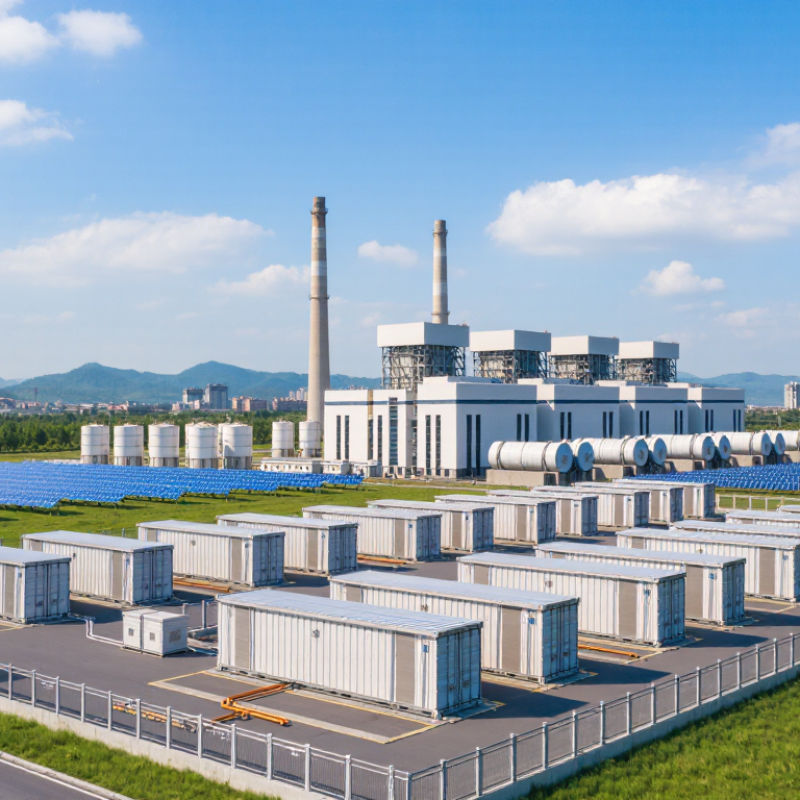
China’s leading energy storage battery manufacturers differ more than their similar factory images suggest. A credible profile should examine cell chemistry, production scale, safety testing, warranty terms, and recycling plans. Public data can be uneven, so any top-ten ranking remains partly judgment-based.
One manufacturer focuses on large lithium iron phosphate cells for utility projects. Another specializes in compact modules for commercial buildings. A third combines battery production with thermal management systems. The fourth is known for automated quality inspection and traceable production records. One supplier develops sodium-ion cells for colder regions. Another builds containerized systems with integrated fire detection. A seventh serves telecommunications backup markets. The eighth concentrates on residential batteries and installation support. The ninth supplies high-power cells for frequency regulation. The tenth invests heavily in second-life battery evaluation. Each profile deserves technical verification.
Field experience shows that capacity figures alone can mislead buyers. A battery rated for ten years may perform differently under heat, rapid cycling, or poor ventilation. Installation records matter. So do failure-response procedures. Some manufacturers publish detailed test results, while others provide broad claims with limited evidence. That gap should concern project owners. I would compare independent certifications, usable energy, degradation curves, and service coverage before signing a contract. The industry is improving, but its reporting is not perfectly consistent. That is worth acknowledging.
China’s top ten energy storage battery manufacturers should not be judged by shipment volume alone. The ranking changes with contract timing, regional demand, and disclosed data. A useful review starts with chemistry. Lithium iron phosphate (LFP) dominates stationary systems because it offers strong thermal stability and long cycle potential. Nickel-manganese-cobalt cells provide higher energy density, but their cost and thermal controls need closer examination. Sodium-ion batteries are emerging for colder sites and cost-sensitive projects. They are promising, not yet universal.
Capacity must be read at several levels.
A factory may report annual gigawatt-hours, while a project needs usable megawatt-hours after conversion losses. Compare cell capacity, container size, round-trip efficiency, degradation curves, and warranty terms. For example, a 20-foot container may support a four-hour grid system, yet cooling demand reduces practical output. Field experience matters here. Dust, humidity, and repeated partial charging can change results.
Grid-scale batteries prioritize safety, response speed, and predictable degradation. Commercial systems often value compact cabinets, peak-demand control, and simple maintenance. Backup installations need dependable low-temperature performance and clear emergency procedures. I would also check independent test reports, factory traceability, fire protection design, and service coverage. A polished datasheet is not enough. Some comparisons remain imperfect because manufacturers disclose different test conditions. That limitation deserves attention when selecting among the top ten.
Selecting a Chinese energy storage battery manufacturer requires more than comparing prices. The IEA’s Batteries and Secure Energy Transitions 2024 reports that global battery-storage additions reached about 42 GW in 2023. BloombergNEF reported a 20% year-on-year decline in average battery-pack prices during 2024, reaching approximately 115 dollars per kWh. Lower prices help, but they can hide differences in testing, service, and system integration.
Request verified data for cycle life, usable capacity, round-trip efficiency, and performance at different temperatures. A reliable supplier should explain whether its cycle claims use 0.5C or 1C operation, and whether testing includes high-temperature conditions. Ask for third-party certificates, cell traceability, fire-safety test results, and a clear warranty. Generic promises are not evidence.
Factory evaluation matters. Review production-line records, incoming-cell inspection, quality-control procedures, and sample consistency. Ask for references from projects with similar voltage, climate, and daily cycling patterns. Confirm spare-part availability and remote monitoring after installation. The cheapest quotation may exclude commissioning, replacement modules, or transport insurance. I still question any proposal that offers unusually long cycle life without detailed test conditions. A small pilot order can reveal communication delays, documentation gaps, and actual response quality before a larger contract is signed.
Check production history, audited facilities, operating projects, and documented quality controls. Factory visits can reveal clean assembly areas and cell traceability.
Rated capacity may not equal usable energy. Compare efficiency, degradation, cycle life, temperature, and load conditions.
Review thermal propagation, insulation strength, enclosure protection, and battery management response. Independent test reports are more convincing than general claims.
Check capacity retention, response times, exclusions, and replacement procedures. Small wording differences can create large costs later.
Contact customers directly instead of relying on website quotations. Ask about failures, repair speed, software support, and performance during harsh weather.
Yes. Utility projects may need large cells and containerized systems. Buildings may need compact modules and installation support.
Examine delivery records, spare-parts planning, financial stability, and service coverage. A ten-year system needs support beyond shipment day.
Not completely. Dust, winter nights, heat, poor ventilation, and unstable grids can change results. The gap deserves attention.
Request certifications, test reports, degradation curves, installation records, recycling plans, and software support details. Do not accept vague promises.
No ranking is perfect. Public data can be incomplete, and judgment still enters the process. That limitation should remain visible.
China’s energy storage battery industry is developing rapidly, supported by strong manufacturing capabilities, expanding renewable energy projects, and growing demand for reliable power management. This article explains the industry’s structure and introduces the key criteria used to evaluate leading manufacturers, including product quality, technical expertise, production capacity, safety performance, certifications, customization services, and after-sales support. It also presents a general overview of China’s top 10 energy storage battery manufacturers without focusing on specific brand names.
The article compares major battery technologies, including their advantages, limitations, expected service life, energy density, safety characteristics, and suitable applications in residential, commercial, industrial, and utility-scale systems. It concludes with practical guidance for selecting a suitable Chinese manufacturer by considering project requirements, operating conditions, budget, delivery capability, system compatibility, warranty terms, and long-term technical support. With these factors in mind, buyers can make more informed decisions when sourcing an Energy Storage Batter solution for dependable and efficient energy management.

Tongxing