Top 10 EV Charging Point Solutions for Global Buyers?

Time:2026-06-25 Author:Sophia
0%

As the electric vehicle (EV) market continues to expand, the demand for efficient and accessible EV Charging Point solutions grows exponentially. According to a recent report by BloombergNEF, global electric car sales are projected to reach 10 million units by 2025. This surge necessitates a robust charging infrastructure. Experts emphasize the urgency of this development. Thomas Sargent, an EV charging infrastructure specialist, states, "A comprehensive charging network is crucial for the success of EV adoption globally."

Current solutions vary significantly in design and accessibility. Companies must choose from diverse EV Charging Point options that cater to different needs. Strategic investments in faster, more reliable charging technologies will shape consumer preferences. Identifying the top 10 solutions can help global buyers make informed decisions in this evolving landscape.

However, challenges persist. Many regions still lack the charging infrastructure required to support widespread EV usage. The industry must address these gaps urgently to avoid stalling growth. It is essential for stakeholders to collaborate and innovate constantly, ensuring that the growth of EVs aligns with the capabilities of charging point networks. Establishing a sustainable future depends on this synergy.
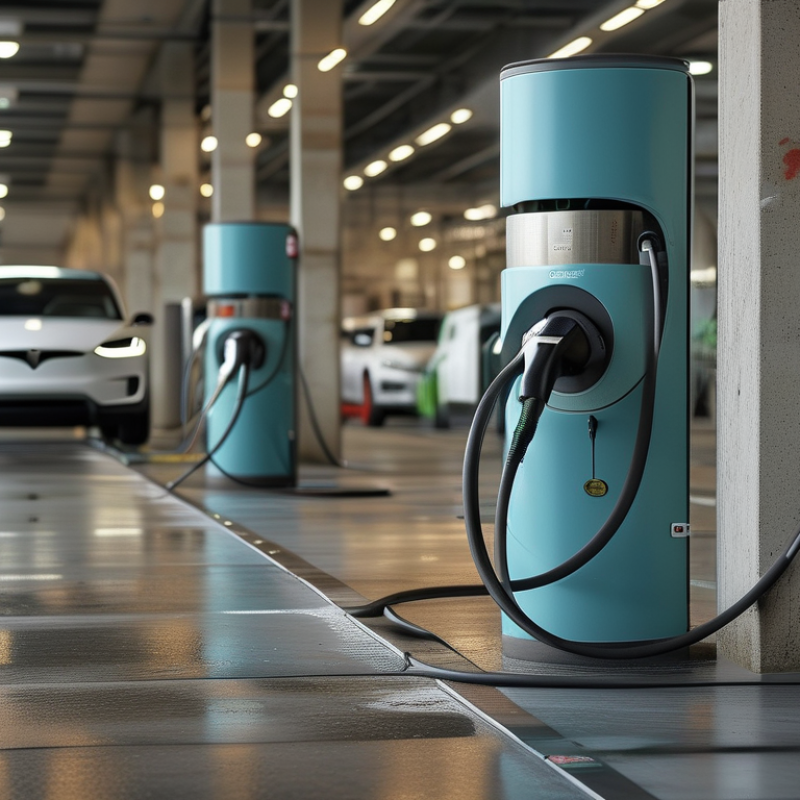
Top 10 EV Charging Point Solutions for Global Buyers?

Key Considerations for Selecting EV Charging Point Solutions

When selecting EV charging point solutions, several key considerations come to the forefront. First, think about the power output. The charging speed can vary significantly, which influences how quickly vehicles can be charged. Fast chargers are appealing for busy locations, while slower chargers may suit residential areas. Evaluating the location's needs plays a critical role in this decision.

Another factor involves compatibility with various vehicle models. An effective charging solution must accommodate different EV brands. This aspect is crucial for providing a product that addresses diverse consumer needs. Additionally, look into the network capabilities of the charging stations. A robust network ensures reliable service and helps promote widespread adoption.

Finally, consider maintenance and support services. A well-maintained charging point contributes to a positive user experience. However, some solutions may lack adequate support, leading to frustration. Make sure to investigate these factors thoroughly before making any commitments. Balancing these considerations will guide buyers toward sustainable and user-friendly charging solutions.

Overview of Leading EV Charging Point Providers Worldwide

As electric vehicles (EVs) gain popularity, the demand for efficient charging solutions is growing. Providers globally are adapting to this need with innovative charging point technologies. These solutions vary in speed, compatibility, and features, catering to different market segments. Not every charging point is created equal. Buyers should consider factors such as location, charging speed, and integration with existing infrastructure.

Tips: Consider your location. Urban areas may need fast chargers, while rural locations might benefit from Level 2 chargers. Look for solutions that offer remote monitoring. This feature adds convenience and aids in maintenance planning.

Customer support is another critical aspect. Reliable service ensures that issues are resolved quickly. Check for warranty and support options when selecting a provider. Remember, finding the right solution is not always straightforward. It requires research and sometimes trial and error.

In this evolving landscape, staying informed about advancements is essential. Keep an eye on technological trends, as they can influence your choices significantly. A well-informed buyer can make better decisions and contribute to an eco-friendly future.

Top 10 EV Charging Point Solutions for Global Buyers

Provider Charging Speed (kW) Connector Type Network Availability Monthly Subscription Fee ($) Comments
Provider A 150 CCS, Type 2 North America, Europe 29.99 Fast and reliable
Provider B 200 CCS Global 39.99 Wide coverage
Provider C 50 Type 2, CHAdeMO Europe, Asia 19.99 Affordable option
Provider D 100 CCS North America 24.99 High-quality service
Provider E 75 Type 2 Australia, New Zealand 12.99 Convenient stations
Provider F 120 CCS, CHAdeMO North America, Asia 34.99 Excellent user experience
Provider G 160 CCS Europe 37.99 Network expansion
Provider H 30 Type 2 Asia 9.99 Budget-friendly
Provider I 200 CCS, CHAdeMO Global 49.99 Premium service
Provider J 90 Type 2, CCS Europe, North America 21.99 Good access

Comparative Analysis of EV Charging Technologies Available Globally

As electric vehicles (EVs) become more mainstream, the demand for reliable charging solutions increases. Various charging technologies are emerging globally, each with unique advantages. Level 1 chargers are the most basic, using standard home outlets. They are slow but provide convenience for home charging. However, their limited speed often leads to frustration among users with higher mileage needs.

Level 2 chargers are more common in public spaces. They offer faster charging times, reducing wait periods. Yet, the installation costs can be a barrier for many businesses and municipalities. Rapid DC chargers present another option, enabling ultra-fast charging. They can provide an 80% charge in as little as 30 minutes. This technology is ideal for high-traffic areas, but it requires substantial infrastructure investment, posing challenges in less populated regions.

Wireless charging technology is also gaining attention. This innovation removes the need for plugs and cables, offering convenience. However, it often lacks efficiency compared to wired solutions, which can lead to longer charging times in practice. As the industry evolves, buyers must evaluate these technologies carefully. Prioritizing reliability and accessibility is essential, especially in growing urban areas. Implementing the right solutions will create a more robust EV ecosystem.

Regional Variations in EV Charging Infrastructure and Solutions

Regional variations in electric vehicle (EV) charging infrastructure are profound. In North America, there is a growing demand for fast-charging stations. Urban areas are leading the charge with numerous installations. However, rural regions still struggle with limited options. This disparity highlights a significant gap in accessibility.

In Europe, the approach is distinct. Countries like Norway excel in charging networks due to high EV adoption rates. Local governments prioritized infrastructure years ago. Meanwhile, Southern European nations lag behind in deployment. Solutions must be tailored to local needs and conditions.

Asia presents unique challenges and opportunities. Nations like China have extensive charging networks due to strong government support. Still, there are concerns about the reliability of some installations. Efficiency varies significantly between regions. Understanding these nuances is essential for global buyers seeking effective solutions.

Future Trends in EV Charging Point Development and Innovation

The evolution of electric vehicle (EV) charging points is rapidly transforming the automotive landscape. Driven by increased demand, innovations are emerging. According to a report by the International Energy Agency (IEA), the number of public charging points is expected to triple by 2030 to support global EV adoption. This growth will influence how cities and infrastructures develop.


Future trends indicate a shift towards faster and more efficient charging solutions. Ultra-fast charging stations are becoming common, reducing charging times to under 15 minutes. Wireless charging technology is also being explored, offering convenience for users. Additionally, advancements in energy management systems will optimize charging based on grid demand and renewable energy availability.


Tips: Consider the location of charging points when purchasing an EV. Proximity to home and work can greatly affect charging convenience. Also, monitor developments in charging technology, as innovations can enhance your EV ownership experience. Embrace this change; staying informed can help identify optimal charging solutions. The market is evolving, and adaptation is key.

FAQS

: What should I consider when choosing an EV charging solution?

: Consider the power output and charging speed first. Fast chargers are best for busy locations.

Why is compatibility important for EV chargers?

Chargers must work with various vehicle models. This ensures they meet diverse consumer needs effectively.

How does network capability impact EV charging stations?

A strong network ensures reliable service. This helps promote widespread adoption of electric vehicles.

What role does maintenance play in charging solutions?

Regular maintenance enhances user experience. Lack of support can lead to user frustration and dissatisfaction.

Are there differences in charging infrastructure across regions?

Yes, there are significant regional variations in charging infrastructure availability and speed. Urban areas often have more options.

Why do some regions struggle with EV charging options?

Rural areas often have limited installations. This creates accessibility challenges for electric vehicle users.

How do local governments affect charging infrastructure in Europe?

Local governments play a key role in prioritizing charging networks. Countries investing early show better adoption rates.

What are some concerns about charging networks in Asia?

While some countries have extensive networks, reliability can be inconsistent. Efficiency varies significantly across different areas.

How can I ensure I get the right charging solution?

Investigate local needs and conditions thoroughly. This understanding will guide you toward suitable charging options.

What might be a downside of fast chargers?

Fast chargers often require more maintenance. This could lead to unexpected service downtime for users.

Conclusion

The article titled "Top 10 EV Charging Point Solutions for Global Buyers" provides a comprehensive overview of essential factors to consider when selecting EV charging point solutions. It highlights the importance of understanding the various available technologies and their suitability for different environments. Additionally, the article examines leading providers of EV charging points worldwide, offering insights into the comparative advantages of each.

Furthermore, it discusses regional differences in EV charging infrastructure, reflecting on how these variations influence the adoption and practicality of electric vehicles globally. As the industry evolves, the piece forecasts future trends in EV charging point development and innovations, emphasizing the growing importance of sustainable and efficient charging solutions to meet the increasing demand for electric vehicles.


Sophia

Sophia

Sophia is a dedicated marketing professional with an exceptional depth of knowledge about her company's products and services. With a keen understanding of market trends and customer needs, she crafts insightful blog posts that not only inform but also engage readers, enriching the company’s online......