As the world shifts towards sustainable energy, electric vehicles (EVs) are becoming increasingly popular. This change drives demand for reliable EV charging equipment. Buyers globally are navigating a complex market filled with various options. Selecting the right charging equipment is crucial for infrastructure development.
Well-designed EV charging solutions not only enhance accessibility but also improve user experience. Quality brands offer benefits that include faster charging and smart features. However, navigating this market can prove challenging for newcomers. Many options seem appealing but may not meet specific needs.
Understanding different types of EV charging equipment helps buyers make informed decisions. Researching product specifications, compatibility, and installation requirements is essential. Each component plays a role in the overall charging experience. Buyers should reflect on their own needs and prioritize quality, reliability, and support. This guide will explore top EV charging equipment solutions, highlighting prominent players in the global market.
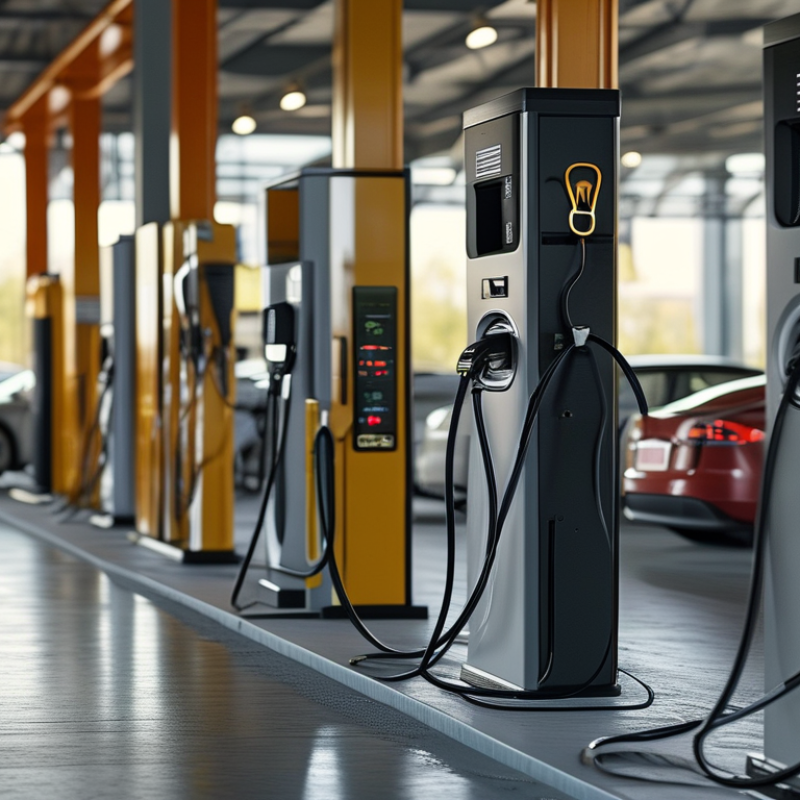
Overview of Electric Vehicle Charging Equipment Types
The electric vehicle (EV) market is rapidly evolving, with global sales expected to reach over 25 million units by 2030, according to the International Energy Agency. This surge in demand necessitates robust EV charging solutions. Various types of charging equipment cater to different needs and settings, including residential, commercial, and public charging stations.
Level 1 and Level 2 chargers are commonly found in residential areas. Level 1 chargers use standard household outlets, while Level 2 chargers require dedicated circuits for faster charging. The speeds can vary greatly, with Level 2 chargers often delivering up to 25 miles of range per hour. For public infrastructures, DC fast chargers represent a significant advancement. These can provide up to 80% charge in just 30 minutes, making them vital for long-distance travel.
However, despite the growing number of charging options, there are challenges to overcome. Many areas still lack sufficient charging infrastructure, leading to range anxiety among potential EV buyers. A report from McKinsey highlighted that about 60% of consumers cite charging convenience as a major concern. As the industry continues to innovate, addressing these hurdles will be essential for broader adoption of electric vehicles worldwide.
Key Features of EV Charging Solutions for International Markets
In the rapidly growing electric vehicle (EV) market, choosing the right charging equipment is crucial for global buyers. A recent industry report from BloombergNEF indicates that by 2040, EVs could account for over 55% of global car sales. This surge emphasizes the importance of dependable charging solutions that cater to diverse international markets.
Key features of EV charging solutions include fast charging capabilities, compatibility with various vehicle models, and robust network connectivity. Fast chargers can deliver up to 350 kW, drastically reducing charging time. Additionally, offering both AC and DC charging options increases accessibility for different users. As per the International Energy Agency, the number of public charging points must grow by 25% annually to meet EV demand. This highlights the urgency for reliable and scalable charging solutions.
When selecting charging equipment, consider the local grid infrastructure. Some regions have limitations that may affect charging speeds. Maintain communication with local energy providers for better planning. It's also wise to explore user-friendly interfaces that simplify the charging experience. Invest in solutions that allow for over-the-air updates, ensuring your equipment stays current without frequent physical checks.
Top EV Charging Equipment Solutions for Global Buyers
Factors Influencing the Selection of EV Charging Equipment
When selecting EV charging equipment, several factors come into play. Understanding each element is crucial for making a wise purchase. The charging speed of a station significantly affects user satisfaction.
Faster charging saves time and increases convenience for EV owners. However, faster options can be more expensive and may require more advanced electrical infrastructure.
The type of charging connector is another important aspect. Different vehicles may require different connectors, creating a compatibility issue. Buyers must consider the most common types of connectors in their target market.
Additionally, the location of the charging stations matters. Urban areas may prioritize compact solutions that fit limited spaces. In contrast, rural installations might focus on reliability and accessibility.
Cost is often a dominating factor. While lower-priced options may seem attractive, they might lack reliability or features. Evaluating long-term costs, maintenance requirements, and warranty services can be a better approach. Some buyers find themselves leaning towards the cheapest options, only to realize later that they should have chosen quality instead. Balancing budget with quality is a constant challenge in this field.
Leading Manufacturers of EV Charging Solutions Worldwide
The demand for electric vehicle (EV) charging solutions is on the rise as global EV adoption accelerates. In 2021, the EV market saw a staggering growth of over 100%, with more than 6.5 million units sold worldwide, according to a recent report by the International Energy Agency. This rapid growth drives the need for advanced charging solutions that meet consumer expectations and infrastructure demands.
Leading manufacturers are stepping up to deliver innovative products. Industry experts highlight that fast chargers are crucial. They can charge an EV to 80% in under 30 minutes, significantly enhancing user convenience. Market research projects that the global EV charging infrastructure market will exceed $100 billion by 2027, fueled by substantial investments from both public and private sectors. However, the availability of charging stations remains uneven across various regions, highlighting an area needing improvement.
Despite advancements, challenges persist. Many charging stations lack interoperability, limiting users' choices. Furthermore, the varying charging speeds can confuse consumers. The need for standardized solutions is apparent. Fostering industry collaboration could bridge these gaps and enhance the overall user experience. Addressing these issues will be vital in ensuring that the growth of EVs is sustainable and accessible for all.
Trends Shaping the Future of EV Charging Infrastructure
As electric vehicles (EVs) gain popularity, the infrastructure supporting them is evolving rapidly. One significant trend is the shift toward faster charging solutions. Consumers desire efficiency; longer wait times can deter usage. The development of ultra-fast chargers is becoming a focal point. These chargers can significantly reduce charging time, appealing to consumers. However, the deployment of such infrastructure presents challenges, including cost and accessibility.
Another trend shaping the landscape is the integration of smart technologies. Intelligent charging solutions can optimize energy usage and enhance user experience. They can analyze grid demand and user behavior to provide efficient services. However, the implementation of smart technology raises concerns about data privacy. Ensuring that user information remains secure is crucial for maintaining consumer trust.
Sustainability is also a key factor. Many buyers are looking for eco-friendly charging solutions. These solutions should use renewable energy sources to reduce the carbon footprint. While adopting green technologies is beneficial, it often requires significant investment. Balancing cost and sustainability can be a complex equation for infrastructure developers. As these trends continue to shape the future of EV charging, the industry must learn and adapt.
Top EV Charging Equipment Solutions for Global Buyers
| Charging Type |
Charge Speed (kW) |
Connector Types |
Global Reach |
Price Range (USD) |
Trends |
| Level 2 AC Charger |
7.2 - 19.2 kW |
J1772 |
North America, Europe |
500 - 2,000 |
Home Charging, Smart Connectivity |
| DC Fast Charger |
50 - 350 kW |
CCS, CHAdeMO |
Global |
10,000 - 40,000 |
High-Speed Charging, Renewable Energy Integration |
| Ultra-Fast Charger |
350 kW+ |
CCS |
Europe, Asia |
40,000 - 100,000 |
Fast Charging Networks, Integration with Autonomous Vehicles |
| Solar-Powered Charger |
Varies |
Various |
Emerging Markets |
5,000 - 15,000 |
Sustainability, Off-Grid Solutions |
FAQS
: Charging speed, connector type, location, cost, and reliability are key factors to consider.
Faster charging saves time and enhances convenience. However, it may cost more and require advanced infrastructure.
No, different vehicles may need different connectors. Compatibility can be an issue for buyers.
Urban areas may need compact solutions, while rural areas might focus on reliability and accessibility for users.
Look beyond the purchase price. Consider long-term costs, maintenance, and warranty services for a better value.
Many stations lack interoperability and vary in charging speeds, confusing consumers and limiting choices.
Standardization can improve interoperability and enhance the overall user experience for EV owners.
The EV market has seen over 6.5 million units sold recently, reflecting rapid growth.
Collaboration may lead to innovative products and address existing challenges in the charging infrastructure.
Many lean towards cheaper options and later regret not choosing quality and reliability instead.
Conclusion
The article titled "Top EV Charging Equipment Solutions for Global Buyers" provides a comprehensive overview of the various types of electric vehicle (EV) charging equipment available in the market. It highlights key features that are essential for international buyers, such as compatibility, charging speed, and user-friendly interfaces. Additionally, the discussion includes factors that influence the selection of EV charging equipment, including regional infrastructure, cost, and technological advancements.
Moreover, the article examines leading manufacturers of EV charging solutions worldwide, emphasizing their contributions to the expanding EV charging infrastructure. Finally, it explores emerging trends shaping the future of EV charging, such as advancements in smart charging technology and the integration of renewable energy sources. This material serves as a valuable resource for global buyers seeking effective EV charging equipment solutions to support the growing demand for electric vehicles.

 Tongxing