Top 10 Home Ev Chargers Buyers Guide for Global Consumers?

Time:2026-06-16 Author:Sienna
0%

As electric vehicles rise in popularity, the demand for efficient charging solutions grows. A top consideration for EV owners is the “Home EV Charger.” This device can greatly enhance the convenience of charging an electric vehicle at home. With various models available, selecting the right charger becomes crucial.

When choosing a home EV charger, factors like charging speed, compatibility, and installation ease are important. Home charging stations vary significantly in features and prices. Some may come with smart technology, offering users real-time data on their charging progress. Others might focus on affordability and basic functions.

However, not all chargers meet the highest standards. Reliability and safety should never be compromised. It is vital to research and compare different models. Consumers must be aware of their specific needs and local regulations. This guide aims to offer insights on top home EV chargers. It will help you make an informed choice for your electric vehicle lifestyle.
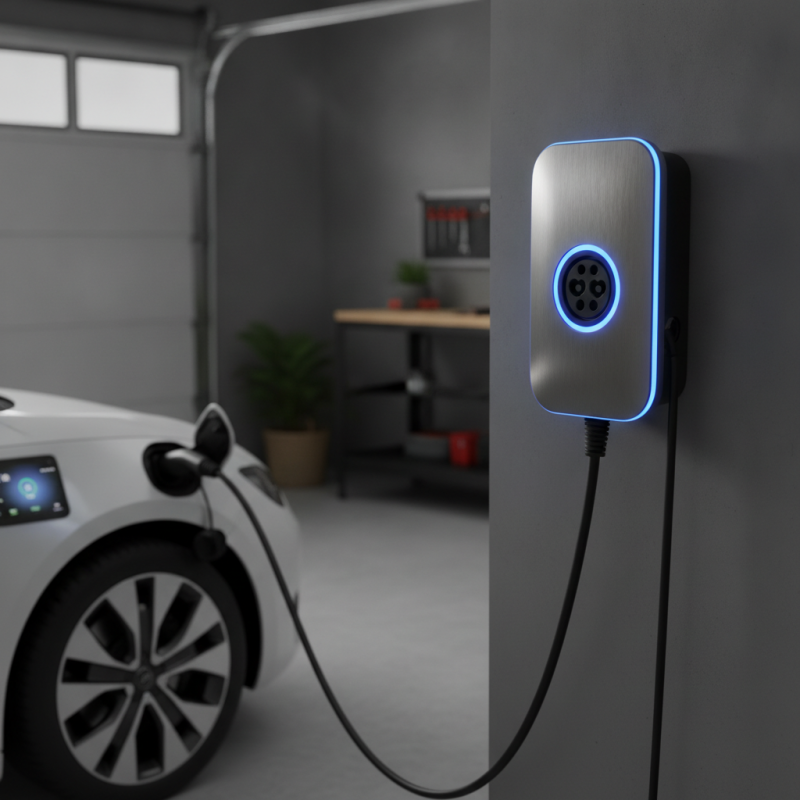
Top 10 Home Ev Chargers Buyers Guide for Global Consumers?

Overview of Home EV Chargers and Their Importance

Home EV chargers are becoming essential for many electric vehicle (EV) owners. They offer convenience and efficiency by allowing users to charge their cars at home. With rising fuel prices and a growing focus on sustainability, these chargers provide an eco-friendly option for daily transportation.

The importance of home EV chargers lies in their ability to reduce reliance on public charging stations. This is especially true in areas where such infrastructure is lacking. Owning a charger at home means you can start each day with a full battery. However, not all chargers are created equal. Consumers must evaluate options based on charging speed, installation requirements, and safety features.

While home charging is convenient, it’s worth reflecting on the challenges involved. Installation costs can vary widely, and some homes may require electrical upgrades. Additionally, accessing a reliable power source is crucial. Users should take time to research their specific charging needs. Understanding local regulations and the electrical grid capability is also vital. The right EV charger can impact daily life significantly.

Top 10 Home EV Chargers Buyers Guide for Global Consumers

Charger Type Charging Speed (kW) Range per Hour (miles) Connector Type Installation Type
Level 1 Charger 1.4 kW 4-5 miles NEMA 5-15 Plug-in
Level 2 Charger 3.3 - 22 kW 10-60 miles Type 1 or Type 2 Hardwired/Plug-in
DC Fast Charger 50 - 350 kW 100-300 miles CCS or CHAdeMO Hardwired
Smart Charger 7.2 kW 20-30 miles Type 1 Hardwired/Plug-in
Portable Charger 2.4 kW 6-10 miles Type 1 Plug-in
Wall-Mounted Charger 7.2 - 22 kW 20-60 miles Type 1 or Type 2 Hardwired
Dual-Port Charger 22 kW 40-60 miles Type 2 Hardwired
Fleet Charger 60 kW 100-200 miles CCS Hardwired
Solar Charger 5 - 10 kW 15-25 miles Type 1 Hardwired

Key Factors to Consider When Buying an EV Charger

When considering an EV charger for your home, several key factors demand attention. Charging speed is crucial. Look for options that offer fast charging capabilities. A Level 2 charger can significantly reduce charging time. Battery capacity should also be factored in. Evaluate how often you use your vehicle and calculate your daily range requirements.

Safety features are essential for peace of mind. Ensure the charger has built-in protection against overload and short circuits. Ease of installation is another consideration. A unit that can be installed without complex modifications is preferable. Always check for compatibility with your vehicle model to avoid unpleasant surprises down the line.

User reviews often reveal insights that product specifications may not cover. Take time to read through experiences shared by actual users. Some may point out installation challenges or performance issues. These reflections can guide your purchase decisions. While many people opt for the most popular choice, personal needs and circumstances vary. Don't rush this decision; weigh the pros and cons carefully.

Comparison of Different Types of Home EV Chargers

When choosing a home EV charger, understanding the types available is essential. Level 1 chargers use a standard household outlet. They are easy to install but may take longer to charge your vehicle. This option suits those with limited driving ranges or overnight charging needs. It’s convenient but slower than others.

Level 2 chargers are more efficient. They require a 240-volt outlet, providing quicker charging times. These are ideal for daily drivers and busy households. However, the installation can be more complicated and might need professional help. Not everyone has the electrical capacity available at home to support this.

DC fast chargers are the quickest option available. They provide rapid charging but come with a hefty price tag and require specialized installation. Most homeowners won’t need this power unless they drive extensively. It’s worth reflecting on how often you need a quick charge. Each type has its pros and cons, and assessing your lifestyle can guide the best choice for you.

Top Brands and Models of Home EV Chargers in 2023

When choosing a home EV charger, consider the current demand for electric vehicles. Many brands offer various models, which can be overwhelming. Understanding your charging needs is essential. For instance, some chargers are designed for fast charging, while others focus on affordability.


Quality is crucial. Look for chargers made from reliable materials, ensuring safety and durability. Some models have smart features, allowing you to monitor charging from your smartphone. These features can be useful, but they may also complicate the user experience. Reflect on what you truly need.


Tips for buyers: Evaluate your home’s electrical capacity before purchasing. This will save you from potential compatibility issues. Also, read user reviews to gauge real-world performance. Not all chargers advertised as quick will charge at the same speed in every environment. Always weigh the pros and cons before deciding.

Installation and Maintenance Tips for Home EV Chargers

Installing a home EV charger can enhance the electric vehicle ownership experience. Proper installation ensures safety and efficiency. According to the International Energy Agency, home charging accounts for up to 70% of EV charging in some regions. This highlights the importance of setting up a reliable home charging station.

Maintenance is equally crucial for long-term performance. Regular checks of the charger’s cables and connections can prevent safety hazards. The U.S. Department of Energy suggests inspecting the installation at least annually. Cleaning the charger’s connectors and keeping it dry helps maintain optimal function.

Beyond installation and maintenance, think about accessibility. The placement of the charger should allow easy access for your vehicle. It’s not just about convenience; poorly positioned chargers can lead to accidents or damage over time. Balancing aesthetics and functionality is key. Regular reflections on the installation location and maintenance habits can lead to better usage of your EV charger.

FAQS

: What should I consider for charging speed?

: Look for chargers with fast charging capabilities. A Level 2 charger can reduce charging time significantly.

How do I determine battery capacity needs?

Evaluate your vehicle usage. Calculate your daily range requirements to find the right battery capacity for you.

Why are safety features important for EV chargers?

Safety features protect against overload and short circuits, providing peace of mind during charging.

What installation factors should I consider?

Choose a charger that allows for easy installation. Avoid units requiring complex modifications.

How can user reviews influence my decision?

User reviews reveal insights about installation challenges and performance. They can help you make informed choices.

Why is understanding my charging needs essential?

It helps differentiate between fast charging and affordable options. Reflect on what best suits your lifestyle.

What materials should I look for in a charger?

Quality materials are crucial for safety and durability. Ensure the charger can withstand daily use.

Are smart features beneficial for chargers?

Smart features allow for monitoring via smartphone, but they may complicate user experience. Think about your needs.

How can my home's electrical capacity impact my purchase?

Evaluating your home's electrical capacity helps avoid compatibility issues with the charger.

Is it essential to weigh pros and cons before buying?

Yes, not all advertised chargers perform the same. Weighing options ensures you select the best fit for you.

Conclusion

The article "Top 10 Home EV Chargers Buyers Guide for Global Consumers" provides a comprehensive overview of home EV chargers, emphasizing their growing importance in the transition to electric vehicles. It outlines key factors to consider when purchasing a home EV charger, such as charging speed, compatibility with your vehicle, and the power supply requirements.

Furthermore, the article compares different types of home EV chargers, helping consumers understand their options, including Level 1 and Level 2 chargers. It also highlights essential installation and maintenance tips to ensure optimal performance and longevity of the home EV charger. Overall, this guide serves as a valuable resource for global consumers looking to make informed decisions in the increasingly relevant sphere of electric vehicle charging solutions.


Sienna

Sienna

Sienna is a skilled marketing professional with a deep expertise in our company’s core products and services. With a passion for innovation and detail, she plays a pivotal role in crafting insightful blog posts that not only highlight the unique features of our offerings but also provide valuable......