Top 5 Tips for Choosing the Best Ac Ev Chargers Today?

Time:2026-07-15 Author:Ethan
0%

In today’s rapidly expanding electric vehicle market, choosing the right AC EV chargers can be a daunting task. Industry expert John Stevens, a senior analyst at EV Insights, emphasizes, “Selecting the right charger is crucial for maximizing efficiency and convenience.” With numerous options available, understanding what to prioritize can make a significant difference.

AC EV chargers provide a cost-effective and efficient way to charge electric vehicles at home or public locations. Factors include charging speed, installation space, and compatibility with your vehicle. Many consumers overlook the importance of future-proofing their charger choice, especially as technology evolves.

This guide aims to demystify the selection process. There are both premium and budget-friendly options on the market. Knowing where to focus your research is essential for making informed decisions. It’s imperative not to rush this choice. After all, the right AC EV charger can enhance your driving experience while optimizing charging times.
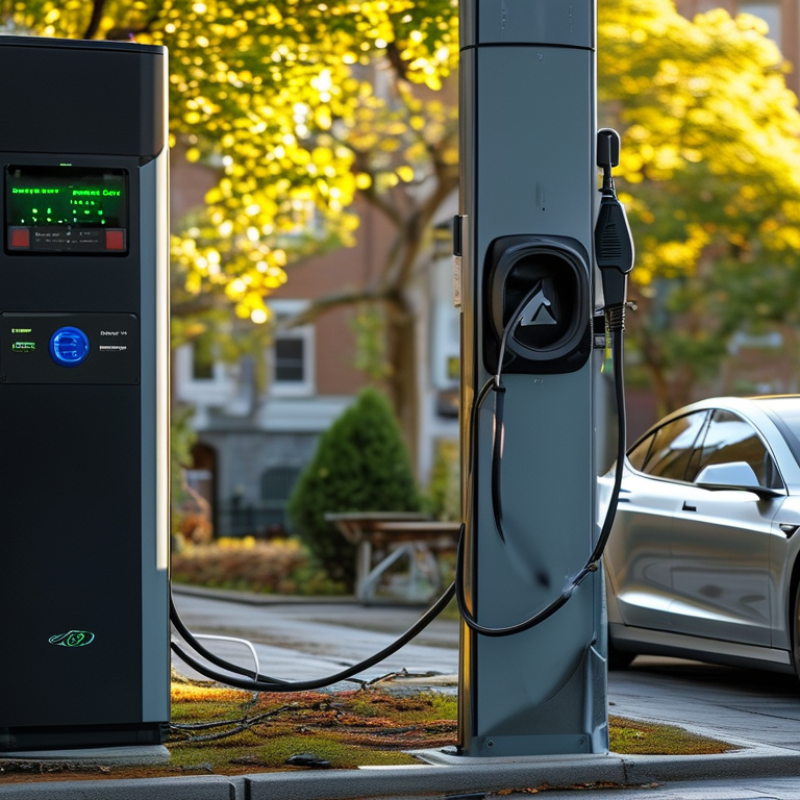
Top 5 Tips for Choosing the Best Ac Ev Chargers Today?

Understanding Different Types of AC EV Chargers Available Today

When selecting AC EV chargers, it's crucial to understand the different types available. There are Level 1, Level 2, and DC fast chargers. Each type serves a unique purpose. Level 1 chargers are commonly used at home. They can take a long time to fully charge an electric vehicle, usually overnight. If time is essential, this may not be the best option.

Level 2 chargers offer a balance of speed and convenience. They use a 240-volt outlet, allowing for faster charging compared to Level 1. Many public charging stations utilize this type. DC fast chargers are the ultimate choice for quick energy replenishment. They can charge an EV in under an hour, suitable for road trips. However, they require specialized infrastructure, which may not be available everywhere.

Choosing the right charger depends on individual needs. Consider daily driving habits and charging accessibility. Residential areas may have limited Level 2 options, while fast chargers might be scarce in rural locations. It's essential to reflect on these factors. The right charger can significantly enhance your EV experience, ensuring you're always ready to hit the road. Explore all options before making an investment.

Evaluating Charging Speed and Power Output for Your Needs

When evaluating charging speed for AC EV chargers, consider your daily driving habits. If you drive short distances, a level 1 charger might suffice. These chargers provide about 4-5 miles of range per hour. However, if you frequently travel longer distances, a level 2 charger is more suitable. This charger delivers about 25 miles of range per hour, significantly reducing downtime.

Power output is another key factor. Levels range from 1.4 kW to 19.2 kW. A higher power output charges your vehicle faster, but can also strain your home’s electrical system. It’s essential to assess your home’s capacity before choosing. Finding a balance between speed and safety is crucial.

While many seek rapid charging, it can lead to higher costs and energy demands. Reflect on whether the increased convenience justifies the expense and infrastructure upgrades. Some users might find slower options more reliable over time. Always ask: how does speed affect your daily routine? This introspection will guide better decision-making.

Charging Speed and Power Output Comparison for EV Chargers

Assessing Compatibility with Your Electric Vehicle Model

When choosing an AC EV charger, compatibility with your electric vehicle (EV) model is crucial. Different EVs have specific charging standards and power requirements. You must ensure the charger supports your vehicle's details. For instance, check if your EV accepts Type 1 or Type 2 connectors. Many chargers offer universal compatibility, but not all.

Pay attention to the charging speed. Some EV models can handle higher voltage chargers, while others may not. Consult your vehicle's manual to determine the optimal charging capabilities. A charger that matches your vehicle’s requirements can enhance efficiency and reduce charging time. Remember that not all chargers are created equal; some may overstate their compatibility.

Consider the location of the installation as well. If you live in an apartment or have limited space, ensure the charger fits your area. Not every EV can charge in every setting. Verify the electrical capacity of your home or building too. Installing a charger that exceeds your electrical system's limits can lead to problems. Thus, compatibility goes beyond the technical specifications; it includes your lifestyle and location. Make informed choices based on your vehicle and personal circumstances.

Top 5 Tips for Choosing the Best AC EV Chargers Today

Tip Description Compatibility Charging Speed Price Range
Check EV Compatibility Ensure charger is compatible with your vehicle model and battery type. Most EV models Level 2 - 7.2 kW $500 - $700
Assess Installation Requirements Consider electrical requirements and installation costs based on location. Varies by location Fast charging option $100 - $500 (installation)
Look for Smart Features Opt for chargers with Wi-Fi connectivity and app integrations for monitoring. Most smart chargers Level 2 - 10 kW $600 - $900
Prioritize Durability and Safety Choose chargers with robust weatherproofing and safety certifications. Weather-resistant models Level 2 - 8 kW $400 - $700
Evaluate Warranty and Support Check the warranty period and availability of customer support services. All compatible models Standard charging $300 - $600

Considering Installation Requirements and Costs for Home Chargers

When considering the installation of home AC EV chargers, it’s crucial to assess your electrical system. Older homes may require upgrades to handle new chargers. You might face unexpected costs if your wiring isn’t compatible. Understanding local regulations is also vital, as some areas have specific requirements for charger installations.

Installation costs can vary significantly depending on your home’s infrastructure. Expect to pay for labor and materials. Permits may be necessary, adding to the overall expense. It’s important to get estimates from multiple electricians. This step helps avoid overpaying and ensures quality work.

Don’t forget about future expansion. If you plan to add more EVs, ensure your system can accommodate that growth. Anticipating future needs can save you from costly renovations later. Investing time in this planning phase is not always pleasant, but it pays off in the long run. Making informed decisions now will provide peace of mind as you transition to electric vehicles.

Exploring Features and Smart Technology in Modern EV Chargers

The rapid growth of electric vehicles (EVs) highlights the need for reliable and advanced charging solutions. As of 2023, the global EV market is projected to exceed 25 million units, emphasizing the demand for efficient charging stations. Smart technology plays a crucial role in modern EV chargers, making them a wise choice for bystanders and users alike.

One key feature to consider is charging speed. Level 2 chargers can deliver up to 25 miles of range per hour. This capability is essential for daily commuters needing quick and efficient solutions. Also, smart chargers provide real-time data on charging status, energy consumption, and cost. This feature encourages users to optimize energy use, potentially lowering their electricity bills.

Another important aspect is compatibility. Many modern chargers use standard connectors, accommodating various EV models. However, not all chargers offer user-friendly apps that help track charging sessions. Reports indicate that 35% of consumers prioritize smart features but may find usability lacking. Investing in technology is critical, as intuitive interfaces can enhance the overall charging experience. It’s a clear indication that not all chargers are made equal; some may even frustrate users beyond satisfaction.

FAQS

: What are the main types of

C EV chargers?

How long does it take to charge with a Level 1 charger?

Level 1 chargers typically charge an EV overnight. This option may not suit everyone.

What advantages do Level 2 chargers offer?

Level 2 chargers charge faster, using a 240-volt outlet. They are common in public spaces.

How quickly can DC fast chargers charge an EV?

DC fast chargers can charge an EV in under an hour. They are ideal for long trips.

What should I consider when selecting a charger?

Reflect on your daily driving habits and charging options in your area. Accessibility can vary greatly.

Why is smart technology important in EV chargers?

Smart chargers provide real-time data on charging status. This helps users manage energy consumption efficiently.

What is a key feature of Level 2 chargers?

Level 2 chargers can add up to 25 miles of range per hour. This speed is helpful for commuters.

What issues do consumers face with smart chargers?

Users often struggle with app usability. Around 35% of consumers prioritize smart features but find them lacking.

Conclusion

When choosing the best AC EV chargers, it's essential to understand the various types available today. Each charger has different specifications, which can significantly impact charging speed and power output tailored to your needs. Compatibility with your specific electric vehicle model is another critical factor to consider, ensuring that the charger can effectively power your vehicle.

Additionally, take into account the installation requirements and associated costs for home chargers, as these can vary widely. Exploring modern features and smart technology in AC EV chargers can also enhance your charging experience, making it more convenient and efficient. By assessing these important aspects, you can make an informed decision that suits your electric vehicle and lifestyle.


Ethan

Ethan

Ethan is a seasoned marketing professional with a deep expertise in our company's innovative product line. With a passion for sharing knowledge and insights, he takes the lead in regularly updating our corporate blog, where he explores industry trends, product features, and effective marketing......