As we move towards a more connected future, the demand for efficient charging devices is surging. The Wall Charger Car has become essential for drivers who rely on their devices. In 2026, innovations in technology promise to enhance the charging experience significantly.
Many consumers are overwhelmed by choices. Factors like power output, compatibility, and safety features are key. A good wall charger car should provide fast charging without risk of overheating. However, not all products meet these standards. It is crucial to research options thoroughly, as some may fail to live up to their promises.
As we explore the top wall chargers for cars this year, we focus on reliability and expert recommendations. A well-chosen wall charger car not only saves time but also enhances your daily drive. This buying guide aims to simplify your choices and highlight emerging trends in car charging technology.
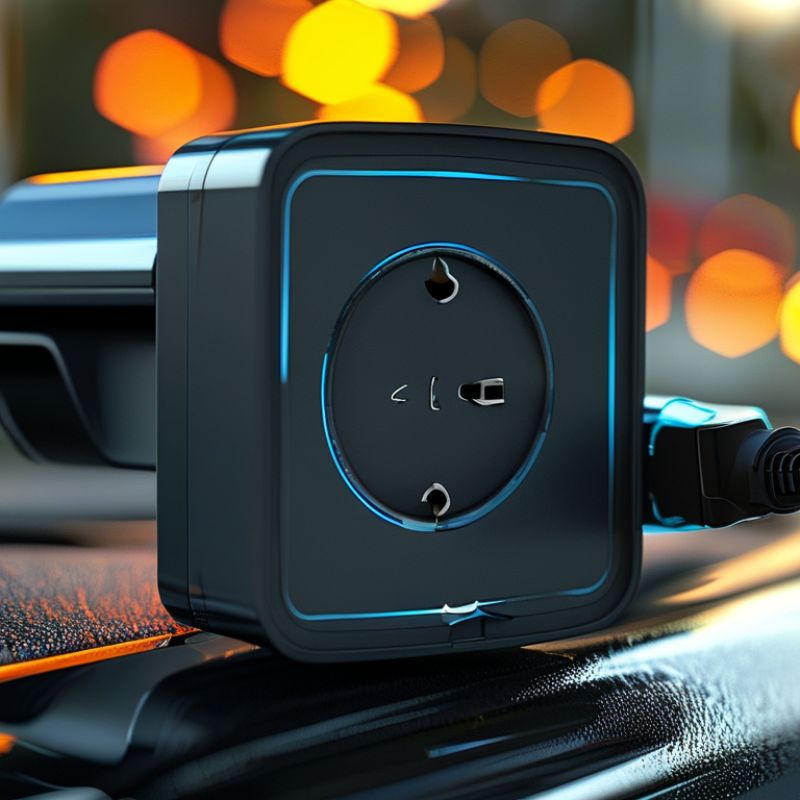
In today's fast-paced world, car wall chargers are essential for modern vehicles. As we rely on our devices for navigation, communication, and entertainment, the need for efficient charging becomes critical. A reliable wall charger can provide a quick power boost when you need it most. Many drivers, however, often overlook the importance of quality chargers. Cheap alternatives may save money upfront but can lead to poor performance or even damage.
Understanding the nuances of compatibility and charging speed is vital. Different devices have varied charging needs. A charger that works for one device may not be suitable for another. Without proper compatibility, you might not achieve optimal charging efficiency. Cables also play a significant role in this equation. Low-quality cables can hinder the charging process, resulting in frustration.
Another aspect to consider is the design and portability of chargers. A bulky charger can take up valuable space. Conversely, a compact design can be convenient but might lack power. Choices are not always clear-cut. Users must weigh options carefully. Evaluating the balance between design and functionality often requires time and patience.
When selecting a wall charger for your car in 2026, several key features warrant attention. The charging speed is paramount. A report from the International Energy Agency indicates that 30% of car owners prioritize fast charging capabilities. Options offering at least 40W can significantly reduce downtime, making them ideal for busy individuals.
Another crucial factor is compatibility. Modern electric vehicles often require specific chargers. A 2023 study found that 65% of users prefer chargers capable of supporting multiple devices. This versatility extends beyond cars to include smart devices, enhancing usability.
Safety features should not be overlooked. Enhanced protection mechanisms prevent overheating and short circuits. According to the Consumer Electronics Safety Association, 15% of charger-related incidents result from inadequate safety measures. A well-designed charger should not only focus on speed but also encompass reliable safety protocols for a worry-free experience while on the road.
When selecting a wall charger for your car in 2026, numerous brands and models are emerging as favorites. Some chargers now come with advanced features like smart charging technology. This ensures that your device receives optimal power based on its needs. Models vary in terms of design and output power. Higher wattage chargers can support faster charging for multiple devices at once.
The popularity of compact designs is on the rise. Many consumers prefer wall chargers that do not take up much space. Manufacturers have responded by creating slimmer and lighter chargers. These designs can easily fit into tight car spaces without compromising functionality.
For optimal performance, consider matching the charger to your device. Not all devices charge at the same speed. This means using the right charger can enhance battery longevity. Watch out for chargers that claim to be universal but may lack the necessary power output.
Check reviews for real-user experiences. Some wall chargers may have issues that aren’t apparent in specifications alone. Look for feedback on durability and reliability. Also, reflect on how often you travel and the number of devices you carry. This can influence your choice of charger significantly.
The future of car charger technology is shaping up to be innovative and user-centric. Wireless charging is gaining traction. Imagine just parking your car and instantly charging your device without dealing with tangled cables. This technology simplifies the user experience. However, efficiency is still a concern. Many worry about how fast wireless chargers can truly power up devices compared to traditional wired options.
Another trend involves fast-charging capabilities. As smartphones and electric vehicles evolve, the demand for quick power is increasing. Consumers want to charge their devices in a fraction of the time it used to take. But, not all fast chargers are created equal. Some may overheat or damage devices. Careful consideration is necessary when choosing the right charger.
Sustainability is now a key factor in car charger designs. Manufacturers are exploring eco-friendly materials and energy-efficient technologies. However, balancing sustainability with performance is tricky. Not every eco-friendly product meets the standards we expect. The market needs to ensure that advancements do not compromise quality. The path forward looks promising, but diligence in research and development remains vital.
| Feature | Current Technology | Emerging Trends | Predicted Impact by 2026 |
|---|---|---|---|
| Charging Speed | Fast Charging (up to 30W) | Ultra-Fast Charging (up to 100W) | Saves time during long trips |
| Compatibility | Limited device support | Universal compatibility with devices | Increased accessibility for users |
| Safety Features | Basic protection (overheating, overcurrent) | Advanced safety protocols (smart temp control) | Higher safety assurance for users |
| Form Factor | Standard design | Compact and modular designs | Enhanced portability for users |
| Eco-Friendliness | Limited recycled materials | Use of sustainable materials | Reduction in carbon footprint |
When purchasing a car wall charger, safety should be a top priority. Many overlook the importance of certified devices. Look for chargers that meet established safety standards, like UL or CE certifications. These labels indicate that the charger has undergone rigorous testing. This can prevent potential electrical hazards, including overheating and short-circuiting.
Consider the materials used in the charger as well. High-quality, fire-resistant materials significantly reduce risks. Pay attention to the cable length and gauge. A thicker gauge can handle more current, reducing heat generation during use. Additionally, check for built-in safety features like surge protection and overcharge prevention. While these factors usually come with a higher price tag, they contribute to the longevity of both the charger and your vehicle's battery.
However, not every charger marketed as 'safe' provides genuine protection. Do your research before purchasing. User reviews can offer insight into real-world performance and potential issues. Reflect on budget considerations, as cheaper options may compromise safety. Choosing a charger involves a balance between cost and safety. Always prioritize safety features, even if they lead you to spend a bit more initially.
: Advanced smart charging technology optimizes power based on device needs.
Many consumers need chargers that save space in their cars.
Match the charger's output power to your device for optimal performance.
Look for UL or CE certifications indicating rigorous safety testing.
High-quality, fire-resistant materials reduce the risk of hazards.
Thicker cables can handle more current, reducing heat generation.
Not all marketed as ‘safe’ have genuine protection features. Check reviews carefully.
Reviews provide insights on durability and potential issues often missed in specs.
Reflect on the number of devices you need to charge and their requirements.
Prioritizing safety can protect your devices and vehicle, justifying higher costs.
As modern vehicles become increasingly reliant on technology, the importance of a reliable Wall Charger Car cannot be overstated. These chargers not only provide essential power to devices but also ensure that drivers stay connected and charged during their journeys. When considering a Wall Charger Car, it's crucial to look for key features such as fast charging capabilities, compatibility with various devices, and built-in safety mechanisms that prevent overheating and overcharging.
In 2026, several emerging trends in car charger technology are expected to shape the market, including advancements in wireless charging and integration with smart home systems. Popular models are being designed with user convenience in mind, focusing on compact designs and enhanced durability. Ultimately, understanding these aspects will help consumers make informed decisions while prioritizing safety and efficiency in their choice of Wall Charger Car.

Tongxing