Why Choose a Home Fast Charger for Your EV?

Time:2026-09-08 Author:Sophia
0%

Why Choose a Home Fast Charger for Your EV?

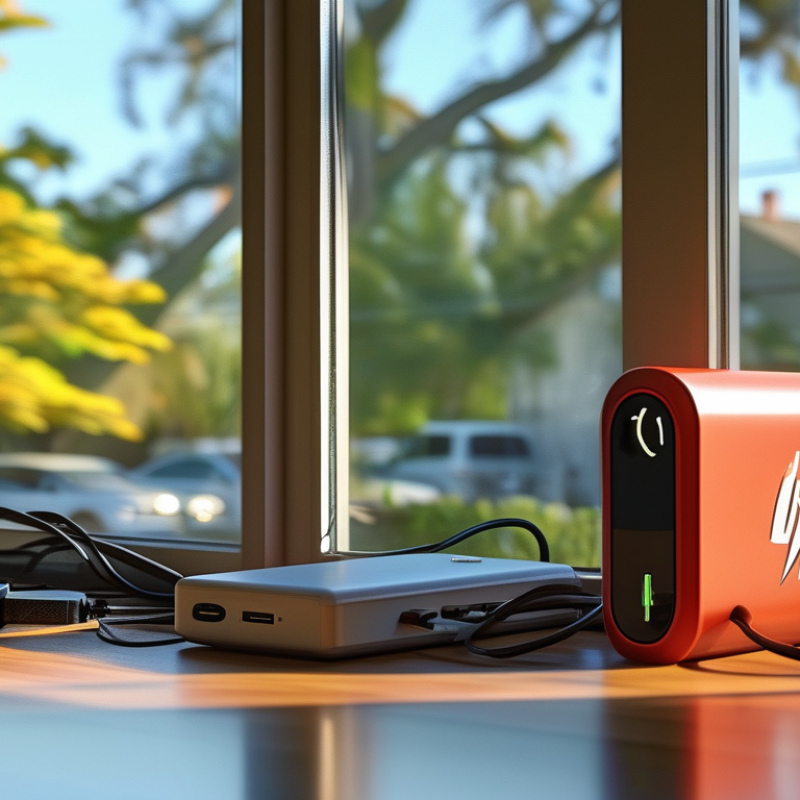
For many EV owners, charging begins beside the kitchen window, not at a public station. A Home Fast Charger can restore meaningful range overnight, reducing detours and waiting time. Dr. Gil Tal, director of the Electric Vehicle Research Center at the University of California, Davis, has emphasized that home charging is generally the most convenient and affordable option for everyday drivers. His practical point is simple: the best charging routine fits naturally into daily life.

That convenience becomes clearer after a long workday. You park, connect the cable, and wake to a fuller battery. A suitable Home Fast Charger can also support higher charging speeds than a standard household outlet. However, faster is not automatically better. Your vehicle’s onboard charger, electrical panel, wiring, and local regulations all matter. A charger may promise powerful output, but your home might not support it without upgrades.

Safety comes first.

Professional installation helps verify circuit capacity, grounding, weather protection, and cable placement. It also prevents a common mistake: choosing equipment only by advertised speed. Real charging performance can change with temperature, battery condition, and household electricity demand. I would not call a Home Fast Charger a universal solution. Apartment residents, renters, and drivers with limited electrical capacity may need another approach.

Still, for homeowners with suitable infrastructure, it offers control, predictability, and fewer public-charging interruptions. The quiet click of the connector at night can replace an extra trip across town. That small routine may be the strongest reason to choose home charging.
Why Choose a Home Fast Charger for Your EV?

What Home Fast Charging Means: Level 2, 240 V, and 7–19 kW (DOE)

Why Choose a Home Fast Charger for Your EV?

A home fast charger usually means Level 2 AC charging, not public DC fast charging. It uses a 240-volt circuit and commonly delivers 7–19 kilowatts, matching the U.S. Department of Energy’s range. At 7 kW, an EV may gain roughly 25–30 miles of range per charging hour. Higher output can add more, but only when the vehicle supports it.

The numbers need careful reading. A 19 kW charger cannot force every EV to accept 19 kW. The vehicle’s onboard charger, battery temperature, and charging state can reduce the actual rate. A 48-amp circuit may provide about 11.5 kW at 240 volts, while a 30-amp circuit supplies near 7 kW. Small differences matter.

Installation is part of the experience. A qualified electrician should check the service panel, cable route, grounding, and continuous electrical load before installation. In a typical evening, plugging in at 7 p.m. can restore useful range by bedtime. Overnight charging feels calmer than searching for a public station. It is not always perfect. Cold weather may slow charging, and older homes may need electrical upgrades. A realistic choice considers daily mileage, parking time, vehicle limits, and household power capacity.

Why Choose a Home Fast Charger for Your EV?

Home fast charging typically means Level 2 charging on a 240 V circuit. Compared with Level 1 charging, Level 2 systems can deliver approximately 7–19 kW, depending on the vehicle, electrical installation, and charger settings.

What this means: Higher charging power can add driving range more quickly during overnight or scheduled charging. The vehicle’s onboard charger and the home circuit determine the actual power received.

How Fast Is It? DOE Rates Level 2 at 25–50 Miles per Hour

Why Choose a Home Fast Charger for Your EV?

A home fast charger usually means a Level 2 charging system. The U.S. Department of Energy rates Level 2 charging at about 25–50 miles per hour. That range sounds simple, but real results vary. Your vehicle’s charging capacity, battery temperature, and current battery level all affect speed. It may not deliver 50 miles every hour. That is an important detail.

For a driver with a 40-mile daily commute, Level 2 charging can replace most used energy overnight. Plug in after dinner, and the battery may be ready before morning. Compared with a standard household outlet, it reduces waiting time significantly. Installation also requires careful planning. A qualified electrician should check the panel, circuit capacity, grounding, and local requirements. Older homes may need electrical upgrades, which can change the total cost.

Tips: Check your vehicle’s maximum AC charging rate before buying equipment. Ask for a realistic charging estimate, not the highest advertised number. Keep the cable away from standing water and walking paths. A common planning mistake is assuming every home can support the same power. I would also leave some charging time unused, because cold weather and high battery levels can slow the final miles.

Why Charge at Home? IEA Data Shows Home Charging Dominates

Home charging is not merely convenient. It is becoming the normal way many EV drivers refuel.

The International Energy Agency’s Global EV Outlook 2024 estimates over 10 million private chargers were operating worldwide in 2023. Public chargers exceeded four million during the same period. This gap shows where daily charging usually happens: at home, overnight, beside a familiar parking space.

A home fast charger can add useful range while you sleep. It may reduce visits to public charging stations and make morning departures less stressful. The U.S. Department of Energy also notes that home charging is often cheaper than public charging, depending on local electricity rates and demand fees. Still, the case is not perfect. Installation can require electrical upgrades, professional inspection, and suitable parking access. A powerful charger may also be unnecessary for drivers with short commutes.

Tips: Check your electrical panel first. Choose charging power based on weekly mileage, not maximum specifications. Use scheduled charging when utility rates are lower. Keep the cable protected from standing water and vehicle traffic. Review the charger’s safety certification and installation guidance.

In my experience, the best setup feels almost invisible. Plug in after dinner, and the vehicle is ready by morning. That simplicity matters. Yet households with shared parking may need a different plan. Home charging dominates the data, but it does not fit every driveway.

How Much Can You Save? Compare Utility and Public Rates with AFDC

Why Choose a Home Fast Charger for Your EV?

A home fast charger, usually a 240-volt Level 2 unit, can reduce charging costs and waiting time. The real savings depend on your local electricity rate, charging losses, and driving distance. AFDC provides useful public charging price information, while your utility bill shows the rate for home energy. Compare both sources before making a decision.

Imagine driving 100 miles in an EV that uses 3.5 miles per kilowatt-hour. You would need about 29 kilowatt-hours. At $0.16 per kilowatt-hour, home charging costs roughly $4.64. A public rate of $0.45 costs about $13.05, before extra session fees. That difference can exceed $8 per trip. Rates change. Some utilities also offer cheaper overnight pricing. My first estimate ignored charging losses, which can add around 10% to 15%. Real savings may be smaller.

Tips: Record three months of utility bills. Check AFDC public rates near your usual routes. Include installation, maintenance, and possible time-based fees. A faster home charger is not automatically cheaper if your household rarely drives. Public charging may still suit apartment residents or long-distance travelers. Convenience matters, but convenience has a price. Small differences matter.

What Installation Requires: A Dedicated Circuit and NEC-Compliant Safety

A home fast charger can make daily EV charging easier, but installation begins with electrical planning. The charger needs a dedicated circuit, not a shared garage outlet. This prevents competing loads from heating the wiring or tripping the breaker.

A qualified electrician should inspect the service panel, available capacity, wire size, conduit route, and grounding system. The circuit must be sized for the charger’s continuous load and protected with the correct overcurrent device. Ground-fault protection may also be required, depending on the equipment and locally adopted NEC requirements. Check the details.

The installation should follow the current NEC edition enforced by your local authority. Local amendments can change requirements, so a permit and inspection may be necessary. The electrician should verify torque settings, enclosure placement, weather protection, and cable support. A charger mounted beside a driveway needs enough clearance for the connector and a safe cable path.

I once assumed a larger breaker would simply mean faster charging. That assumption was wrong. The panel, conductors, and charger must work as one system. An electrical load calculation can reveal whether the home needs service upgrades or managed charging. Small oversights matter. Have the completed work tested before regular use.

FAQS

: What is a home fast charger?

: It usually means a 240-volt Level 2 charging system. It can add about 25–50 driving miles per hour. Results vary.

How quickly can Level 2 charging refill an EV?

Speed depends on the vehicle’s charging limit, battery temperature, and current battery level. The final miles may charge more slowly. Do not assume 50 miles every hour.

Can a home charger handle a 40-mile daily commute?

Often, yes. Plugging in after dinner may replace most daily energy before morning. Cold weather can reduce the expected result.

What should homeowners check before installation?

A qualified electrician should inspect the electrical panel, circuit capacity, grounding, and local requirements. Older homes may need upgrades. That can increase costs.

How much can home charging cost?

Cost depends on electricity rates, charging losses, and driving distance. For 100 miles at 3.5 miles per kilowatt-hour, energy use is about 29 kilowatt-hours.

Can you give a simple charging-cost example?

At $0.16 per kilowatt-hour, 29 kilowatt-hours costs about $4.64. A $0.45 public rate costs about $13.05, before extra fees. Charging losses may add 10%–15%.

How can drivers compare home and public charging prices?

Review three months of utility bills. Compare nearby public rates and session fees. Check whether overnight electricity pricing is cheaper. My first estimate missed charging losses.

Is a faster home charger always the best choice?

No. Households with low mileage may save little. Apartment residents and long-distance travelers may prefer public charging. Convenience helps, but it has a price.

How should the charging cable be managed?

Keep it away from standing water and walking paths. Leave extra charging time overnight. Small planning mistakes can become daily annoyances.

Conclusion

A Home Fast Charger makes electric vehicle ownership more convenient by bringing Level 2 charging directly to your garage or driveway. Operating on a 240-volt circuit, these chargers typically deliver 7–19 kW and can add approximately 25–50 miles of driving range per hour, depending on the vehicle and charging system. This is significantly faster than standard household charging and can restore useful range overnight or during daily breaks.

Home charging also offers practical financial benefits, since residential electricity rates are often lower and more predictable than public charging prices. Before installation, homeowners should evaluate their electrical panel, available capacity, and local requirements. A dedicated circuit, proper grounding, suitable protection, and compliance with applicable electrical safety standards are essential. With the right setup, a Home Fast Charger provides reliable access to energy, reduces dependence on public stations, and supports a simpler, more cost-effective charging routine.


Sophia

Sophia

Sophia is a dedicated marketing professional with an exceptional depth of knowledge about her company's products and services. With a keen understanding of market trends and customer needs, she crafts insightful blog posts that not only inform but also engage readers, enriching the company’s online......