Deploying high-voltage stability, military-grade thermal management, and long-cycle lifespans designed to withstand the saline, humid microgrid systems of Betio, Tarawa, and Kiritimati.
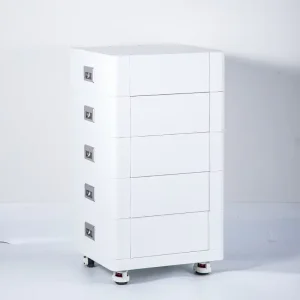
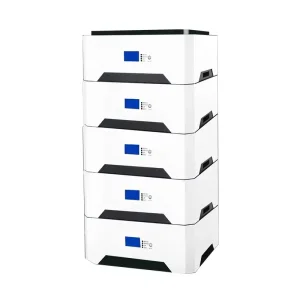
As a low-lying Pacific island nation spanning 33 atolls, Kiribati faces severe climate vulnerabilities coupled with some of the most expensive and volatile fuel costs in the world. Historically dependent on imported diesel for power generation, Kiribati's electricity tariff frequently ranges between $0.40 and $0.60 USD per kWh. This economic pressure, along with the national mandate of the Kiribati Integrated Energy Roadmap (KIER), has accelerated a systemic transition toward localized solar photovoltaics (PV) and commercial-scale Battery Energy Storage Systems (BESS).
However, deploying batteries in Kiribati is not a standard operation. The local environment presents distinct challenges:
Tongxing New Energy Technology offers customized lithium iron phosphate (LiFePO4) systems optimized specifically for tropical maritime microgrids, guaranteeing high performance and reliability.
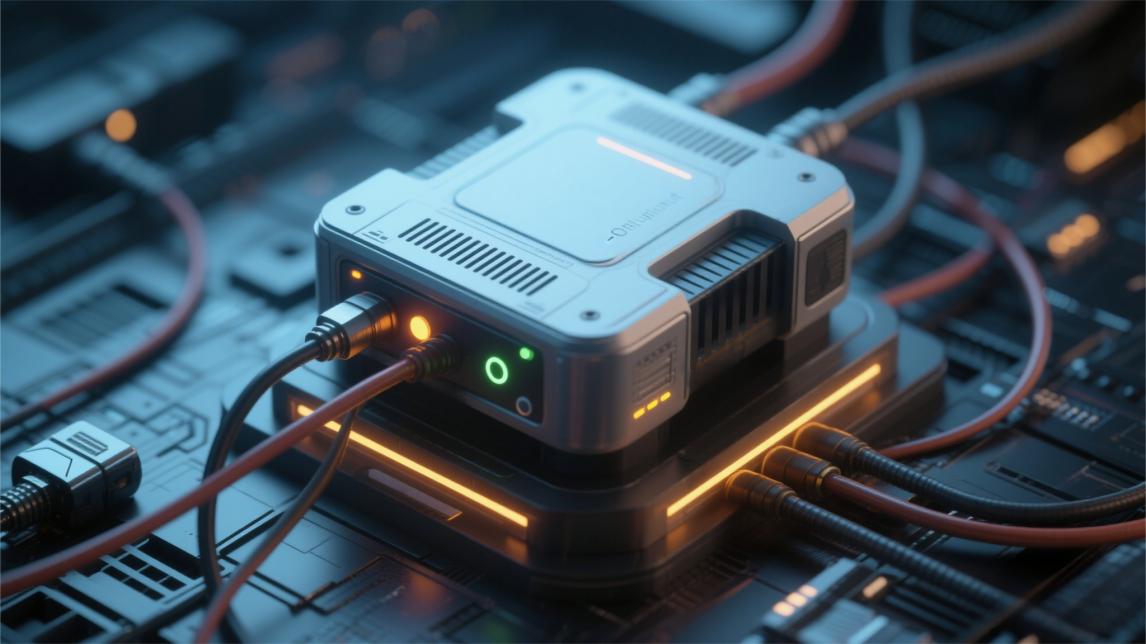
By substituting diesel generation with our centralized battery systems, local businesses and grid operators can cut fuel consumption by up to 85%, ensuring energy independence and moving Kiribati closer to its goal of 100% renewable grid penetration on Tarawa and outer islands.
TONGXING NEW ENERGY TECHNOLOGY CO., LTD. is a national high-tech enterprise leveraging 23 years of specialized experience in power electronics, smart EV charging, and high-capacity battery system design.
Equipped with 18 automated assembly lines and IoT-enabled quality control tracking, achieving a 95% automated manufacturing consistency rate to ensure zero defect cell-to-pack compliance.
Our team develops internal BMS algorithms, advanced circuit topologies, and OCPP 1.6J/2.0 protocols to allow seamless cloud-based management from anywhere, even with limited local bandwidth.
All hardware undergoes environmental chamber testing simulation of thermal shock, high salinity humidity (IEC 60068-2-52 severity 6), and structural vibration parameters.
Make every kilowatt-hour count. Our three-layer energy architecture transforms factories, commercial hubs, and island resorts into self-sustaining grid nodes.
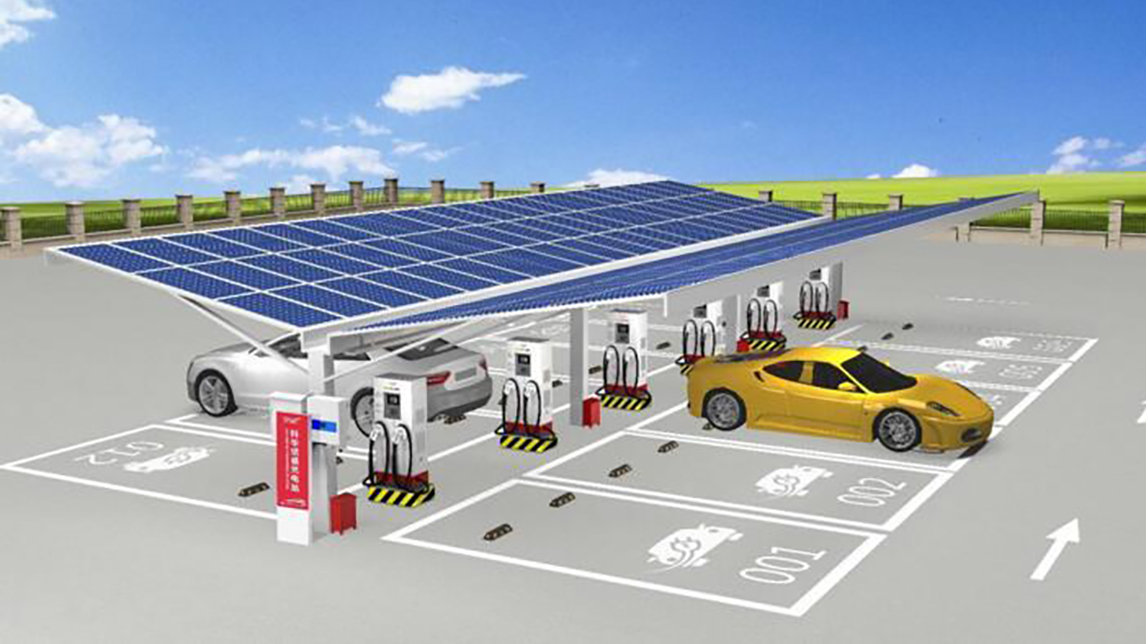
1. Power Generation Layer: Distributed solar arrays (50kW to 500kW+) capture the high insolation of the Pacific equatorial zone, mitigating daylight grid surges.
2. Energy Storage Layer: Modular, scalable battery energy racks (100kWh to 10MWh) buffer solar energy, smoothing fluctuations and providing reliable backup power during cloud cover or grid drops.
3. Application Layer: Prioritizes internal machinery loads, local refrigeration networks, and smart EV charging. Excess energy can feed back to the grid or be managed under microgrid virtual power plant (VPP) parameters.
| Performance Metric | Standard Grid Solution | Tongxing Integrated Microgrid | Net Improvement |
|---|---|---|---|
| Solar Self-Consumption | 50% | 85%+ | +70% Efficiency |
| Avg. Electricity Cost (Kiribati) | $0.55 / kWh | $0.18 / kWh (amortized) | 67% Cost Reduction |
| Carbon Footprint Reduction | Baseline | 40% - 60% standard reduction | Varies by solar capacity |
Why LiFePO4 (Lithium Iron Phosphate) is the only viable choice for remote island energy systems.
Unlike ternary lithium (NMC) batteries, LiFePO4 has a thermal runaway threshold exceeding 270°C. This ensures safety in non-air-conditioned outstations where ambient outdoor temperatures can top 40°C.
Delivers ≥6,000 cycles at 80% Depth of Discharge (DoD) under nominal rates. In typical single-cycle daily installations, this translates to a service life of over 15 years.
Free from cobalt and nickel. Safe for delicate coral atoll ecosystems like Kiribati's, eliminating toxic heavy-metal contamination risks in the event of disposal or extreme weather occurrences.
Humidity and salt air are the primary causes of system failure in coastal Pacific microgrids. Our systems are housed in NEMA 4X / IP65 industrial enclosures constructed from structural steel with marine-grade C5-M epoxy coatings.
Combined with double-walled thermal insulation, pressure relief valves, and integrated liquid cooling or smart convection systems, our battery architectures isolate internal electronics from environmental degradation.
Inquire About Marine Protection Upgrades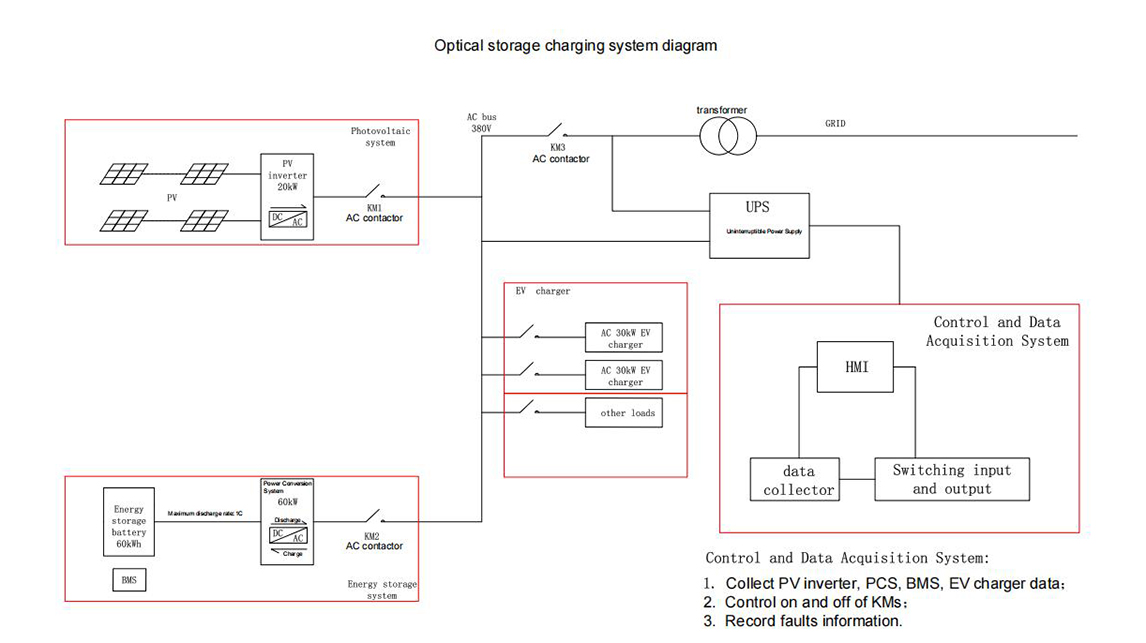
Deploying off-grid solutions requires meticulous logistics and execution planning. Here is how we ensure seamless commissioning from factory floor to isolated site.
Analysis of average solar irradiance, local load profiles (refrigeration, air conditioning, municipal lighting), and existing generation capacity.
Applying specialized C5-M anti-saline paint protection and robust dual-redundant cooling loops, followed by pre-shipping functional testing.
Secure packing in seaworthy, double-shielded shipping containers for transport to Betio Port (Tarawa) or London (Kiritimati Island).
Plug-and-play installation facilitated by modular wiring harnesses. Remote monitoring and support via cellular or satellite-connected cloud telemetry.
Transporting high-capacity lithium battery systems across international oceans requires strict adherence to hazardous materials transport codes. We guarantee compliance with:
Our dedicated export division manages transit paperwork, marine insurance, and customs clearance protocols to Betio and Kiritimati ports, mitigating risks of delays or compliance rejections.
| Compliance Standard | Scope | Significance for Kiribati Projects |
|---|---|---|
| UN 38.3 | Transportation Safety | Required for legal oceanic transport and port customs acceptance. |
| IEC 62619 | Industrial Battery Safety | Certifies thermal runaway defense mechanisms. |
| CE / UL | Grid Connection | Simplifies utility interconnect approvals. |
From urban centers to rural outer island settings, our battery systems and smart chargers adapt to three distinct operational demands.
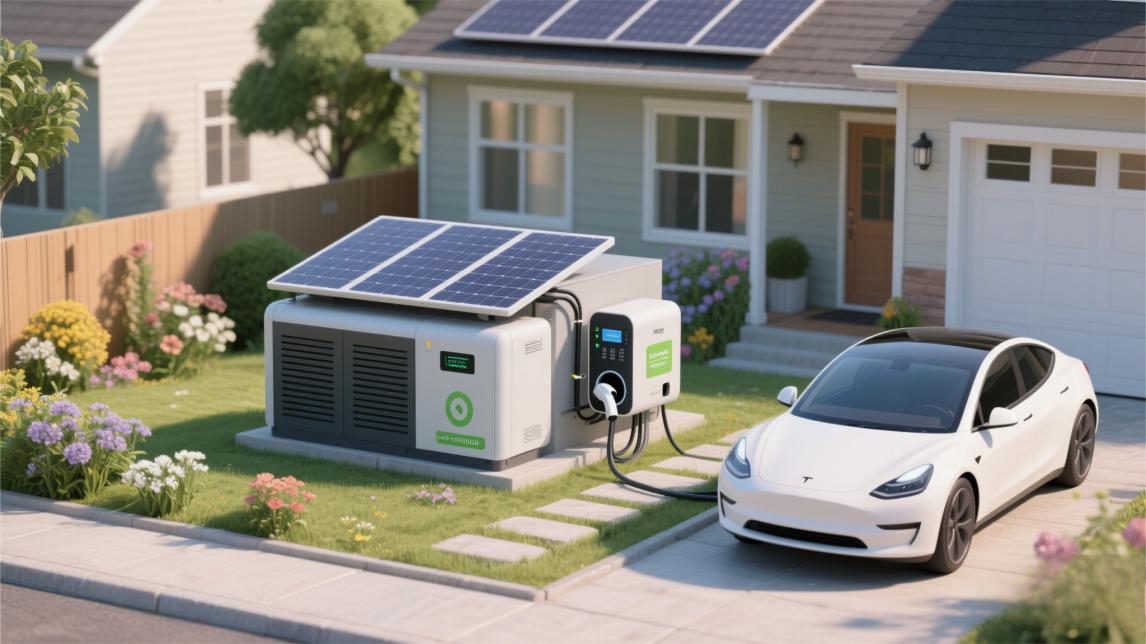
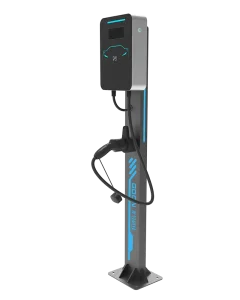
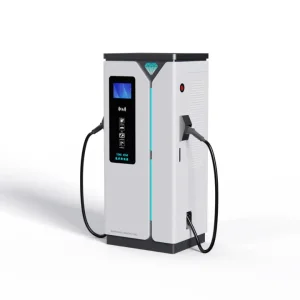
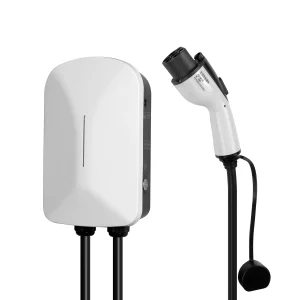
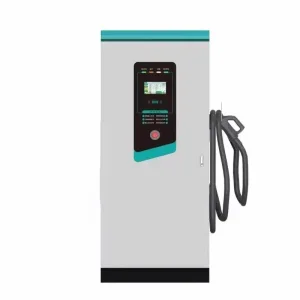
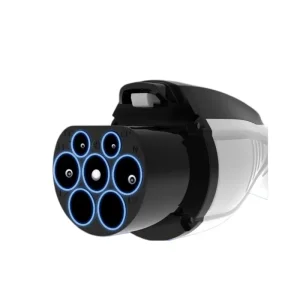
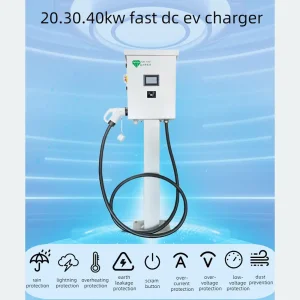
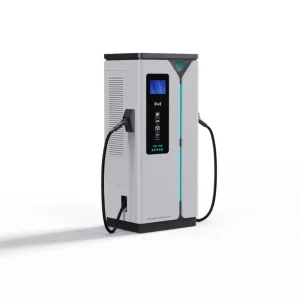
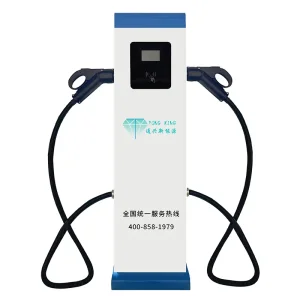
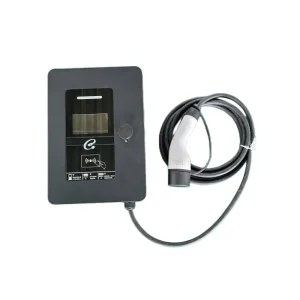
Deploy a complete green mobility charging loop. High-efficiency smart AC wallboxes and fast DC charging piles designed to perform alongside local energy storage.
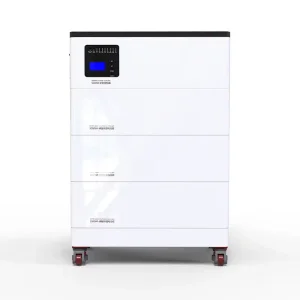
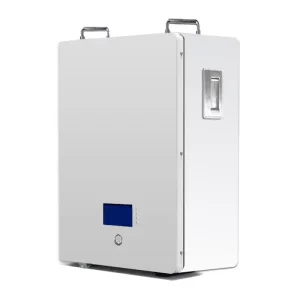
Partnering with Tongxing means acquiring peace of mind through structured post-sales support networks.
Full warranty coverage with optional extensions up to 5 or 10 years for grid integration projects. We provide swift component dispatch to Kiribati ports to minimize downtime.
Providing technical documentation, remote video calibration support, and hardware design modules that allow local electricians to manage standard maintenance steps.
Every industrial BESS system features integrated cellular, Wi-Fi, or satellite communication nodes for OTA battery management adjustments and diagnostic health reporting.
Deep-dive technical answers concerning battery storage implementation in Kiribati and similar marine conditions.
 Tongxing