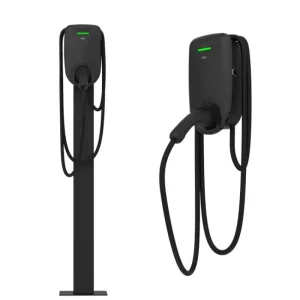
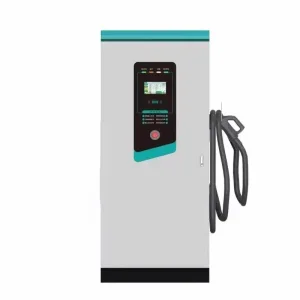
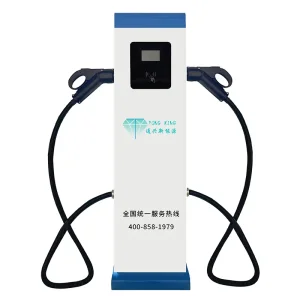
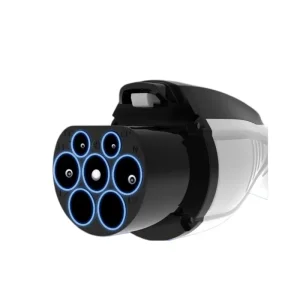
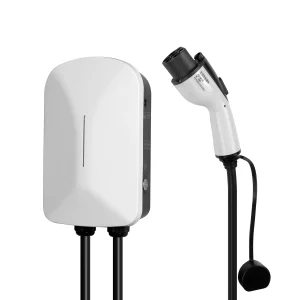
As the global electric vehicle market transitions from early adoption to mass-market maturity, the 11kW EV Charger has emerged as the "Golden Standard" for residential and semi-commercial infrastructure. Unlike standard 7kW single-phase chargers, the 11kW three-phase architecture offers a balanced synchronization with modern on-board chargers (OBC) found in Tesla, BMW, and Volkswagen models, effectively reducing charging time by 35% without requiring the heavy industrial grid upgrades associated with 22kW stations.
As a leading China 11kW EV Charger Manufacturer, Tongxing New Energy Technology Co., Ltd. integrates 23 years of power electronics expertise with AI-driven energy management. Our solutions are not merely hardware; they are intelligent nodes in a decentralized energy grid, designed to maximize Information Gain for operators through real-time data analytics, predictive maintenance, and seamless OCPP 2.0.1 integration.
Years of R&D Excellence
Intelligent Production Base
Countries Served Globally
Field Reliability Rate
The global transition to Net Zero is driving a paradigm shift in how we power transport. Here is how 11kW technology is reshaping markets:
In Europe and the APAC region, three-phase power is standard in residential settings, making the 11kW charger the primary choice for home installations and multi-unit dwellings.
Logistics hubs and commercial fleets are utilizing 11kW AC clusters to manage "overnight dwell time" more efficiently than high-cost DC fast chargers.
With the EU's AFIR regulations and the US NEVI program, reliability and standardized communication protocols (OCPP) have become mandatory for suppliers.
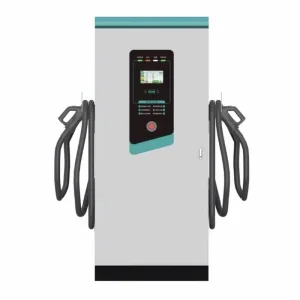
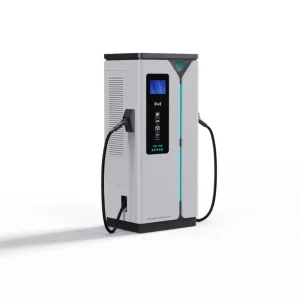
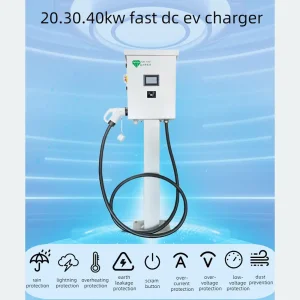
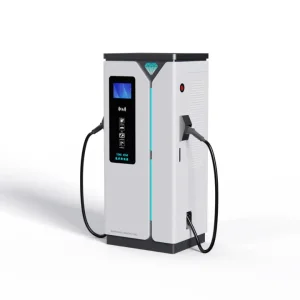
TONGXING specializes in R&D, production, and global distribution of innovative EV charging systems. Our portfolio spans from 3.5KW residential chargers to industrial-grade 960KW ultra-fast charging stations.
Equipped with 18 automated assembly lines and IoT-enabled quality control systems, achieving 95% production automation rate.
20+ specialists in power electronics & embedded systems. 12 utility model patents in charging connectivity.
Circuit topology optimization, OCPP 1.6J/2.0 protocol development, and Thermal management systems.
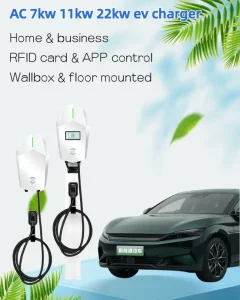
Our 11kW Wallbox integrates with home PV systems. Information Gain: Dynamic Load Balancing (DLB) ensures your home appliances and car share power without tripping the main breaker.
Ideal for office buildings and shopping malls. Supports RFID and App-based billing, allowing property managers to monetize charging services easily.
For delivery vans that return to the depot for 6-8 hours, 11kW clusters provide a cost-effective alternative to expensive DC infrastructure.
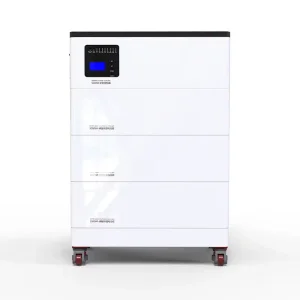
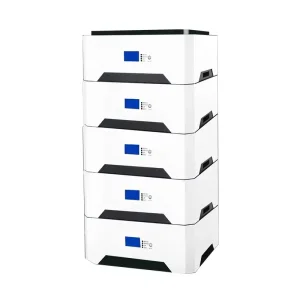
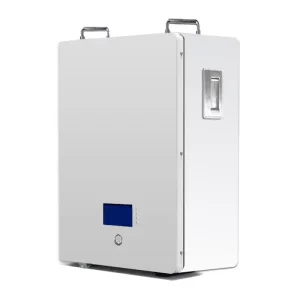
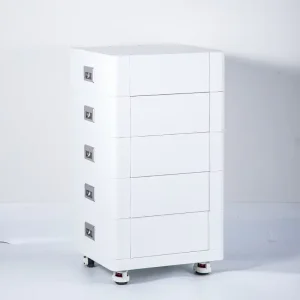
Make Every Kilowatt-Hour Smarter, Make Every Charge Greener. Urban Photovoltaic-Energy Storage-Charging Hubs reduce grid dependence.
| Indicator | Traditional Solution | Integrated Solution | Improvement |
|---|---|---|---|
| PV Self-Consumption Rate | 50% | 85%+ | ↑ 70% |
| Comprehensive Electricity Cost | 0.85 USD/kWh | 0.62 USD/kWh | ↓ 27% |
| Annual Carbon Reduction | - | 40%-60% | Significant |
Implementation of Gallium Nitride (GaN) components in 11kW AC modules to achieve 99% conversion efficiency and smaller form factors.
AI-driven predictive load forecasting for smart cities, allowing chargers to communicate with the grid via ISO 15118 (Plug & Charge).
Second-life battery integration within 11kW charging hubs, creating a truly sustainable cradle-to-cradle energy loop.
A: 11kW uses three-phase power, which is more balanced for the electrical grid. Most modern EVs (like Tesla Model 3/Y) have an 11kW internal charger limit, so a 22kW charger wouldn't charge any faster, while a 7kW would be significantly slower.
A: Yes, all TONGXING chargers are certified under CE (LVD/EMC), RoHS, and IEC 61851 standards. We also provide UL-compliant components for the North American market.
A: Absolutely. We offer full OEM/ODM services including custom enclosure colors, logo printing, and localized software/App branding.
A: Our system prioritizes solar energy first. If the battery is full and the car is plugged in, it uses 100% green energy. If solar is insufficient, it intelligently draws from the storage battery or off-peak grid power.
 Tongxing