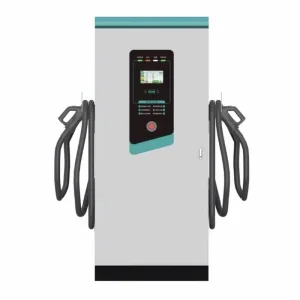
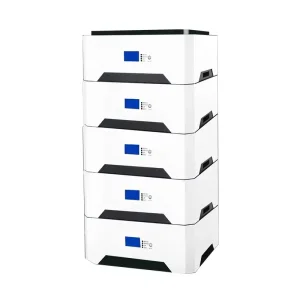
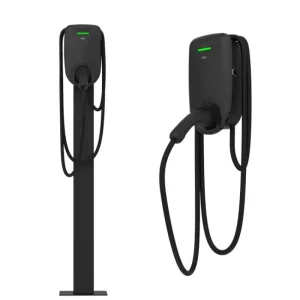
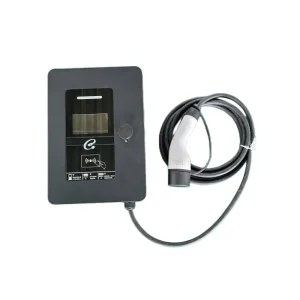
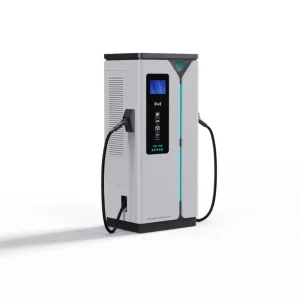
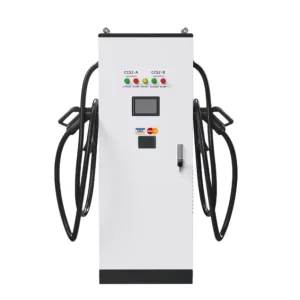
As the global electric vehicle market transitions from early adoption to mass-market penetration, the demand for ultra-fast DC charging infrastructure has skyrocketed. China, as the world's largest EV market, has cultivated a sophisticated ecosystem of suppliers and factories specializing in 240kW and higher power solutions. This whitepaper explores the strategic advantages of Chinese manufacturing, technical milestones in 240kW architecture, and why top-tier global enterprises are sourcing from Tongxing New Energy Technology Co., Ltd.
Chinese 240kW EV charger factories leverage a complete local supply chain—from IGBT power modules and high-speed cooling fans to sophisticated OCPP-compliant control boards. This integration reduces lead times by 40% compared to Western competitors.
It is not just about low cost; it is about "Efficiency Gain." China's 240kW units offer over 96% power conversion efficiency, meaning lower operational costs (OPEX) for CPOs (Charge Point Operators) through reduced thermal loss.
Leading suppliers now offer "Full Scenario Compliance," supporting CCS1, CCS2, CHAdeMO, and GB/T standards within a single 240kW modular chassis, facilitating seamless entry into European, American, and Asian markets.
Years Energy Sector Expertise
Intelligent Production Base
Certified Tech Engineers
Field Reliability Rate
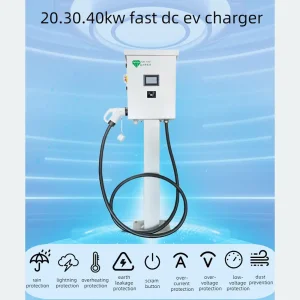
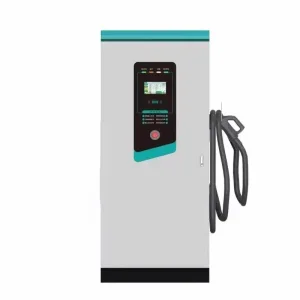
Modern 240kW stations utilize 30kW or 40kW hot-swappable power modules. This redundancy ensures that even if one module fails, the station continues to operate at reduced power, minimizing downtime.
Using AI-driven algorithms, a 240kW charger can split power (e.g., 120kW+120kW or 180kW+60kW) dynamically based on the BMS (Battery Management System) requests of the connected vehicles.
At 240kW, heat dissipation is critical. High-pressure air cooling and liquid-cooled cable options are standard for Chinese factories, ensuring stable performance at 50°C ambient temperatures.
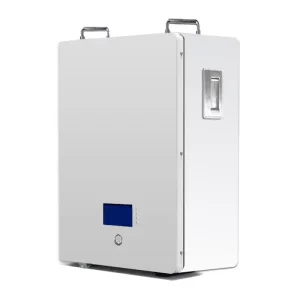
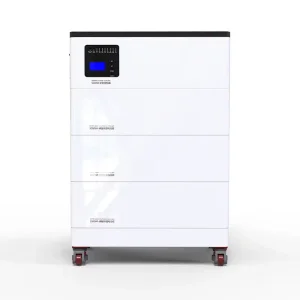
Beyond hardware, Tongxing provides integrated "Solar + Storage + Charging" solutions to maximize ROI.
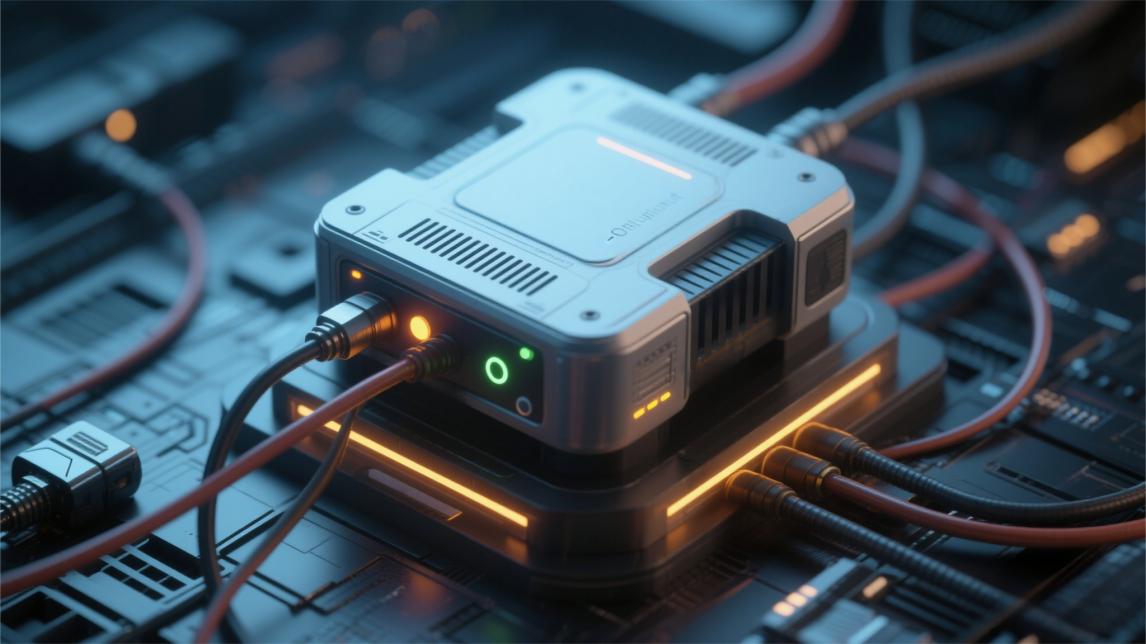
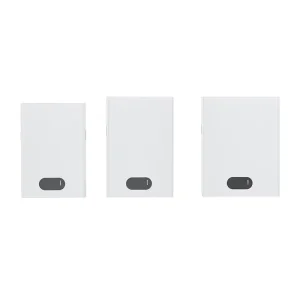
By combining 240kW chargers with 100kWh-10MWh modular storage, enterprises can achieve "Peak Shaving." Store energy during off-peak hours at low tariffs and discharge during peak charging hours, reducing electricity costs by up to 27% annually.
| Performance Indicator | Traditional DC Solution | Integrated PV-Storage Solution | Strategic Improvement |
|---|---|---|---|
| Operational Cost (per kWh) | $0.85 USD | $0.62 USD | ↓ 27% Savings |
| Grid Dependency | 100% High | 15-30% Low | High Resilience |
| Cycle Life (Battery) | N/A | ≥6,000 cycles (80% DOD) | Industry Leading |
240kW chargers are the "Gold Standard" for highways, adding 200km of range in just 10-15 minutes, ensuring high vehicle turnover and customer satisfaction.
Heavy-duty electric trucks require massive power. A 240kW dual-gun system allows for rapid overnight charging of entire fleets, integrated with fleet management software via OCPP 1.6J.
Electric buses with large battery capacities benefit from the stable, high-amperage output of Tongxing's 240kW stations, supporting 24/7 urban mobility.
1. The Rise of 800V Architecture: As Porsche, Hyundai, and BYD launch 800V platforms, 240kW chargers are becoming the minimum requirement for high-end charging networks.
2. V2G (Vehicle-to-Grid) Integration: Future 240kW stations will not just charge cars but allow cars to sell energy back to the grid during peak demand, turning EVs into mobile batteries.
3. AI-Powered Predictive Maintenance: Leveraging IoT data to predict component failure before it happens, reducing O&M (Operation & Maintenance) costs by 30%.
 Tongxing