A National High-Tech Enterprise Pioneering Smart Charging Solutions
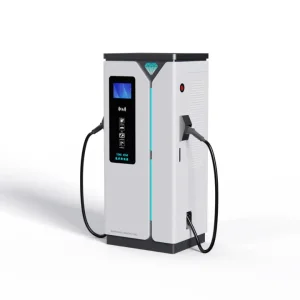
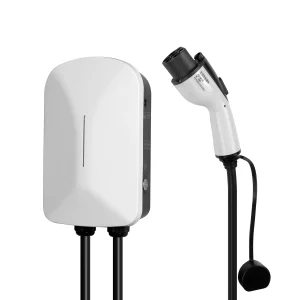
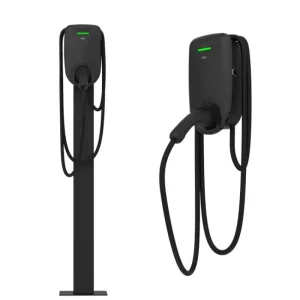
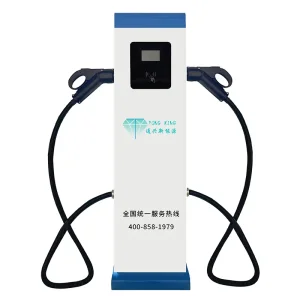
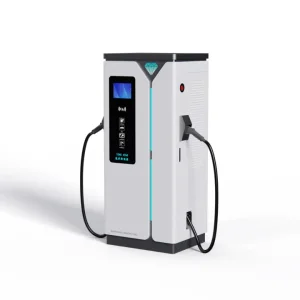
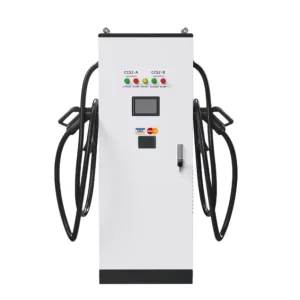
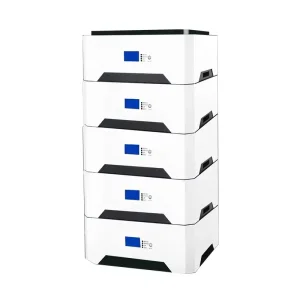
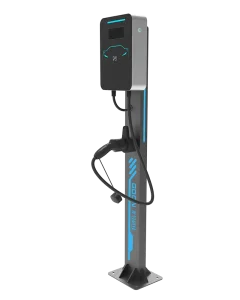
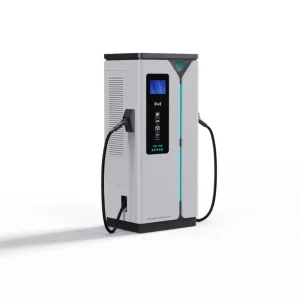
As a certified national high-tech enterprise with 23 years of expertise in the energy sector, Tongxing specializes in the research, development, precision production, and global distribution of innovative EV charging systems. Our comprehensive product portfolio spans from 3.5kW residential AC chargers to industrial-grade 960kW ultra-fast DC charging stations, complemented by integrated photovoltaic (PV) and lithium-ion energy storage systems (BESS).
We bridges the gap between raw hardware manufacturing and sophisticated cloud energy management. By combining structural engineering with self-developed software modules, our products ensure seamless integration with local utility grids, compliance with international communication protocols, and unmatched reliability under extreme environmental stresses.
◼ Production Capabilities: Up to 960kW distributed power matrix.
◼ Ecosystem Offering: Solar PV modules + Battery storage + Ultra-fast EV charging nodes.
◼ Proven Longevity: Engineered using military-grade component pathways for long field operational lifespans exceeding 10 years.
Operating on advanced automation and continuous optimization to maintain high quality control at industrial scale.
Equipped with 18 automated assembly lines and IoT-enabled quality control systems, achieving a 95% production automation rate for modules and finished chargers.
Technical Operations: 140+ certified engineers.
R&D Innovation: 20+ power electronics specialists.
QA: 40-member ISO-9001 audit team.
Hardware: Topology optimization, thermal systems, EMI/EMC compliance.
Software: OCPP 1.6J/2.0.1 development, dynamic dispatch, cloud architecture.
Holds 12 utility model patents in charging connectivity, achieved a 78% reduction in standby power consumption (2021-2023), and dual-core redundancy systems.
China's leadership in the EV charging market is built on its integrated supply chain. Our intelligent Factory 4.0 production base coordinates components, assembly, testing, and shipping from a centralized hub.
By producing critical subsystems in-house—including transformer modules, heat dissipation components, liquid-cooling conduits, and control circuit boards—we maintain high control over variables. This vertical integration reduces delays and mitigates the geopolitical risk of component shortages.
Every charging station goes through automated burn-in and simulation testing under full load conditions before leaving the factory. Advanced optical inspection (AOI), x-ray inspections, and custom test rigs verify that all hardware meets IP54/IP55/IP65 ratings for water and dust ingress protection.
As EV battery architectures transition to 800V and above, DC fast charging technology is evolving. We remain at the forefront of these technological advancements.
We are moving away from traditional Silicon (Si) IGBTs to Silicon Carbide (SiC) MOSFETs. SiC modules increase power density, reduce switching losses by up to 30%, and operate at higher switching frequencies. This enables smaller thermal management systems, lower system noise, and overall electrical conversion efficiency above 96%.
High-power charging above 350kW generates significant heat. Our active liquid-cooled charging cables and connectors dissipate heat effectively, allowing continuous operation at 500A or more. Intelligent coolant flow regulation keeps cable weight manageable for drivers while extending internal electronic component lifespans.
Our roadmap focuses on Vehicle-to-Grid (V2G) and Vehicle-to-Everything (V2X) capability. Implementing ISO 15118-20 secure communications allows fleets to serve as distributed energy resources (DERs). EV fleets can draw power during off-peak times and feed excess energy back to the grid during peak loads to support grid stability.
Our proprietary software stack supports the transition from OCPP 1.6J to OCPP 2.0.1. This updates security (with TLS 1.3 encryption), transaction handling, and device monitoring. It also enables dynamic load balancing (DLB), which limits peak power draws based on real-time building loads, local grid capacities, and energy storage levels.
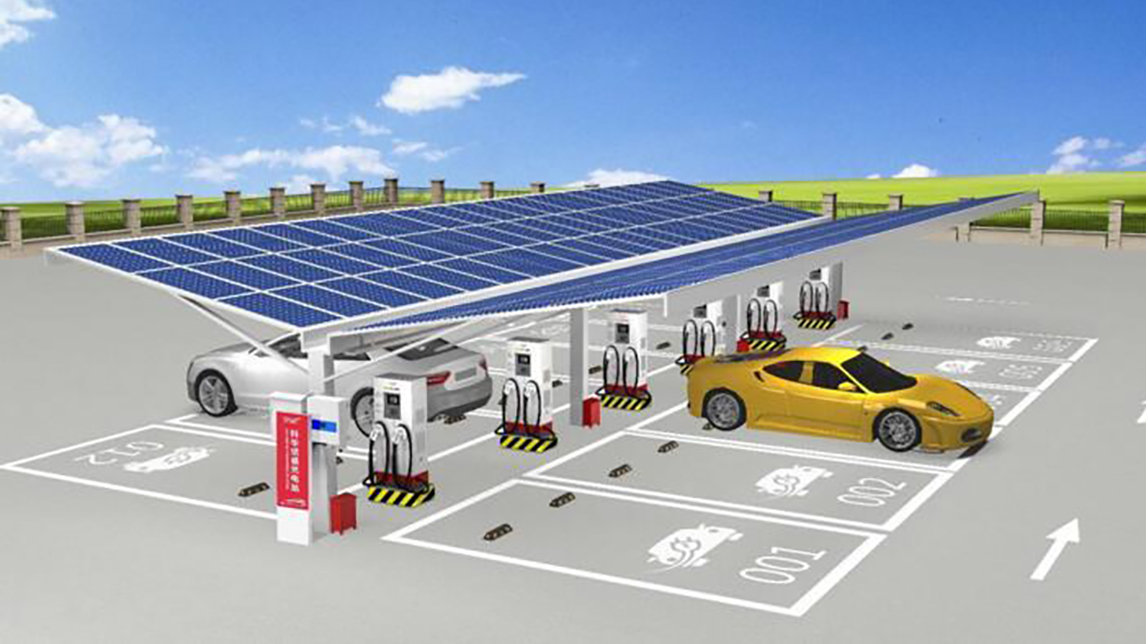
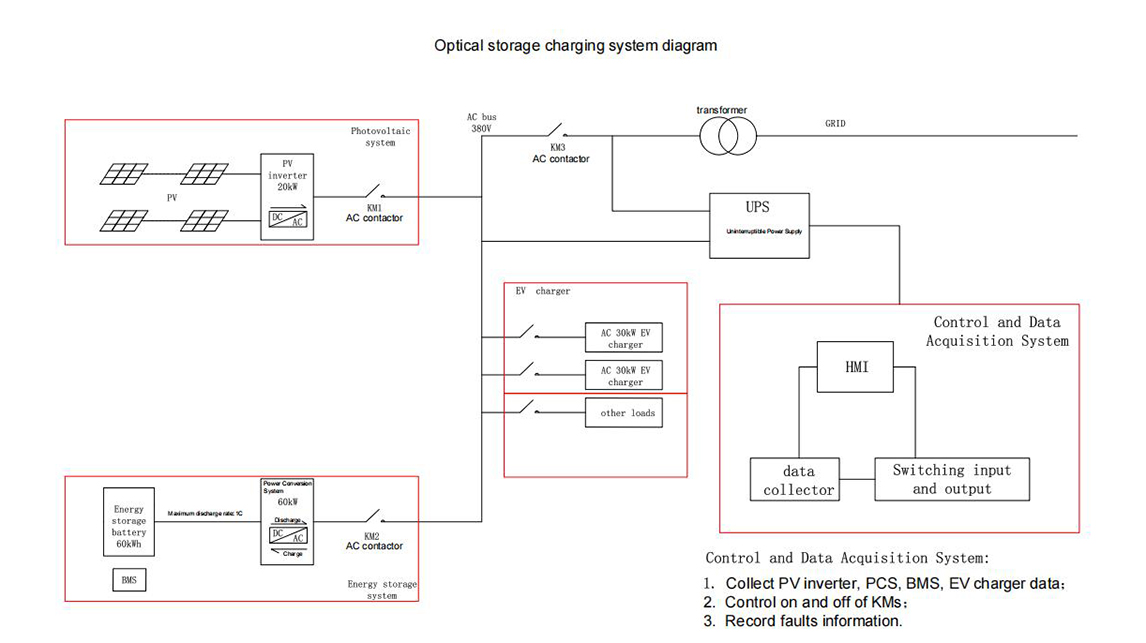
High-power charging requires smart grid management. Our integrated Photovoltaic-Energy Storage-EV Charging Solution coordinates power generation, energy storage, and consumption in a unified microgrid architecture.
For factories, office complexes, logistics hubs, and retail developments, our solution reduces demand charges, manages peak energy costs, and provides back-up power during outages. The architecture consists of three core layers:
| Indicator | Traditional Solution | Integrated Solution | Improvement |
|---|---|---|---|
| PV Self-Consumption Rate | 50% | 85%+ | ↑ 70% increase in onsite utilization |
| Comprehensive Electricity Cost | 0.85 USD/kWh | 0.62 USD/kWh | ↓ 27% reduction in operational spend |
| Annual Carbon Emission Reduction | - | 40%-60% | Verifiable ISO 14064 compliance |
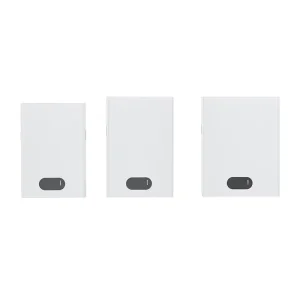
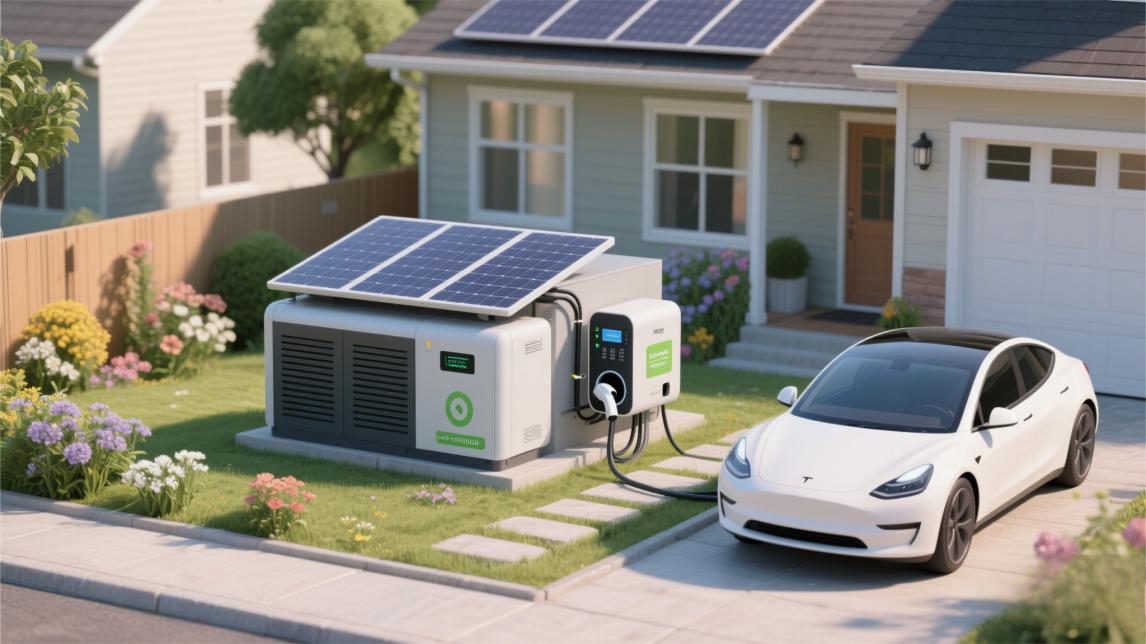
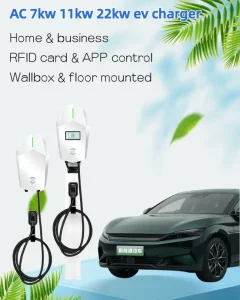
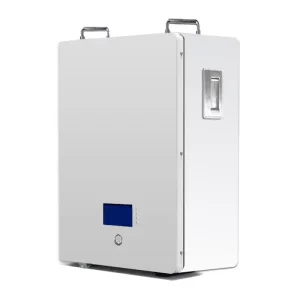
Our home solar and energy storage systems turn private residences into energy-efficient smart hubs. By combining 6-12 high-efficiency monocrystalline solar panels with a modular 5-15kWh LiFePO4 wall battery and an AC wallbox charger, homeowners can choose from three dynamic modes:
Prioritizes PV/storage power, automatically supplementing with low-cost grid power during off-peak hours to minimize bills.
Runs 100% on renewable energy, using only solar power and stored battery energy to charge vehicles with zero emissions.
Acts as a backup power source, automatically switching to battery power during grid outages to keep critical home appliances running for up to 72 hours.
In areas with limited grid access, such as remote mining sites, national parks, and temporary construction hubs, high-power DC fast charging can be challenging.
Our off-grid containerized microgrids combine high-efficiency solar arrays, BESS containers, and DC fast chargers to operate independently. Built-in islanding protection and thermal controls keep these systems running in harsh weather conditions.
To deploy infrastructure globally, charging hardware must meet regional standards, electrical grid codes, and local regulations.
Our DCFC units carry CE, TÜV, and UL certifications, verifying compliance with international safety and performance standards.
OEM & ODM Services: Custom exterior wraps, localized user interface designs, custom cable lengths, and custom branding integrations.
Logistics Support: Integrated shipping options (FOB, CIF, DDP) with structured customs clearance documentation.
Warranty: 24-month comprehensive parts warranty, backed by lifetime technical support and modular spare parts packages.
 Tongxing