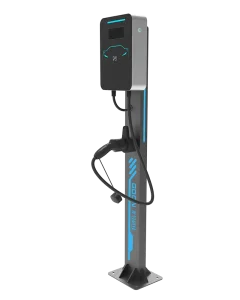
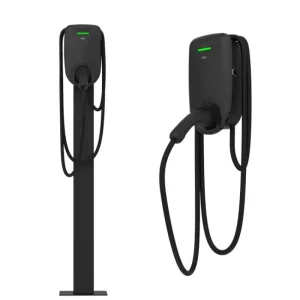
The global EVSE (Electric Vehicle Supply Equipment) market is transitioning from "coverage-based" to "efficiency-based" infrastructure. Level 2 AC charging (7kW-22kW) remains the backbone of the industry, accounting for 70% of total worldwide installations due to its balance between installation cost and battery health preservation.
As the "World's Factory," China-based Level 2 charger factories like Tongxing have integrated the entire supply chain—from power module semiconductors to smart IoT firmware. This allows for a 30-40% cost reduction compared to Western counterparts without compromising on IEC/SAE safety standards.
Modern factories are no longer just making hardware; they are building "Energy Nodes." The integration of Load Balancing and V2G (Vehicle-to-Grid) capabilities is the new frontier, allowing Level 2 chargers to stabilize local grids during peak hours.
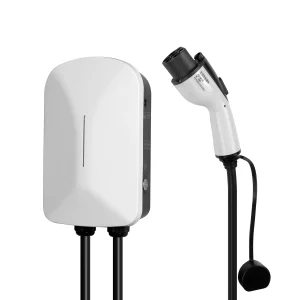
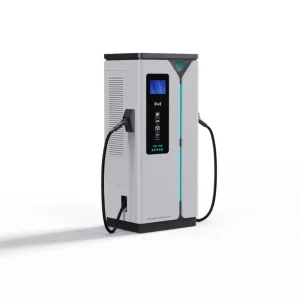
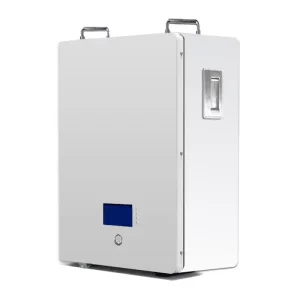
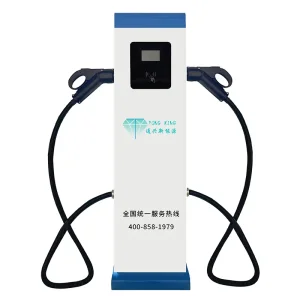
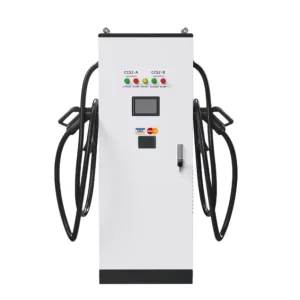
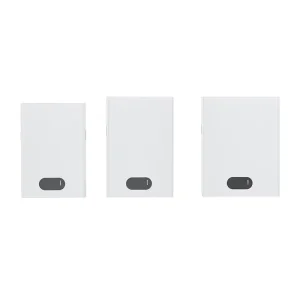
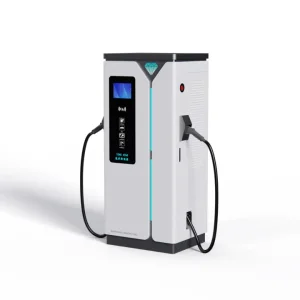
With 23 years of expertise, Tongxing is a leader in R&D and global distribution of EV charging systems. Our portfolio ranges from 3.5KW residential wallboxes to 960KW ultra-fast stations, integrated with PV and Energy Storage.
18 automated lines with 95% automation rate and IoT-enabled quality control systems.
20+ specialists in power electronics and embedded systems, focusing on circuit topology optimization.
OCPP 1.6J/2.0.1 protocol development and cloud-based energy dispatch algorithms.
In-house EMI/EMC labs ensuring global compliance with CE, TUV, and UL requirements.
Comprehensive OEM/ODM services for global B2B clients and infrastructure developers.
The "Full-Scenario Energy Ecosystem" is the definitive solution for carbon neutrality.
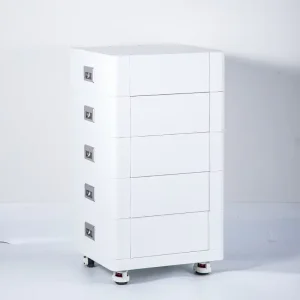
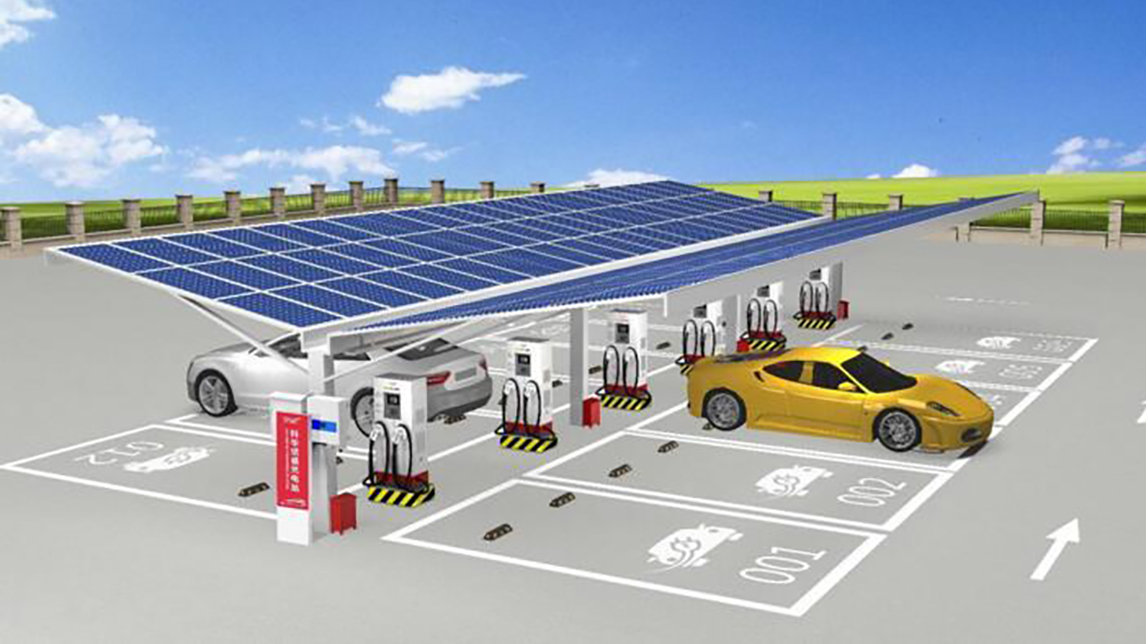
By integrating rooftop PV (50-500kW) with energy storage systems (100kWh+), factories can reduce peak grid dependence by 30-50%.
| Indicator | Traditional | Integrated |
|---|---|---|
| Self-Consumption | 50% | 85%+ |
| Electricity Cost | $0.85/kWh | $0.62/kWh |
| Carbon Reduction | - | 40-60% |
Smart Home Energy Centers: 7kW/11kW Level 2 chargers synced with home batteries. Scheduled charging during off-peak hours can save up to $5,000 annually.
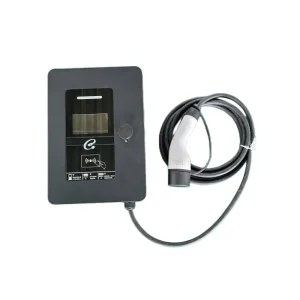
High-duty cycle charging for electric vans. Modular designs support wall-mounted or pedestal installs in dense urban logistics parks.
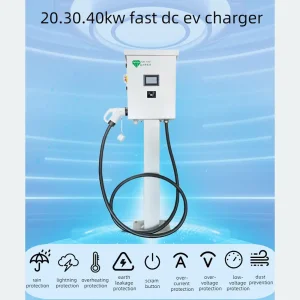
For rural areas or scenic spots, we offer containerized solar + storage + DC fast charger setups that operate independently of the main grid.
1. Bi-directional Charging (V2X): Enabling EVs to serve as mobile power banks for homes and businesses.
2. AI Predictive Maintenance: Using machine learning to detect component degradation before failure occurs, ensuring 99.9% uptime.
3. 800V Architecture: Transitioning from standard Level 2 to high-voltage AC/DC hybrid systems to support next-gen high-performance EV batteries.
Level 1 uses a standard 120V outlet (US) taking 20-40 hours for a full charge. Level 2 uses 208-240V and can charge a vehicle in 4-8 hours, making it the standard for residential and commercial use.
Top-tier factories like Tongxing follow ISO 9001 audits and obtain international certifications such as CE (Europe), TUV, and UL (North America), using military-grade components for extreme weather resistance (-35°C to 75°C).
Yes, through an Energy Management System (EMS), Level 2 chargers can prioritize solar energy, reducing grid costs and achieving a carbon-neutral footprint.
OCPP (Open Charge Point Protocol) allows chargers to communicate with different management software. Version 1.6J or 2.0.1 is essential for payment processing, remote monitoring, and smart load management.
 Tongxing