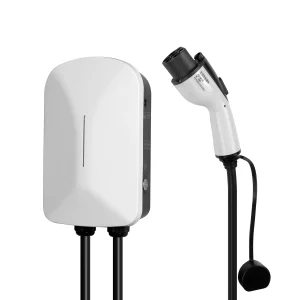
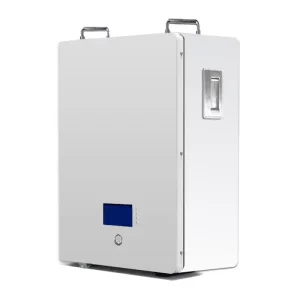
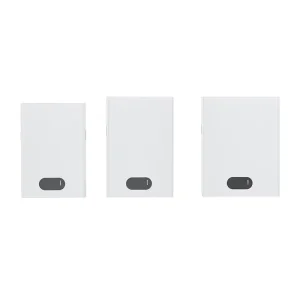
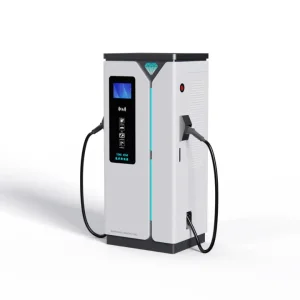
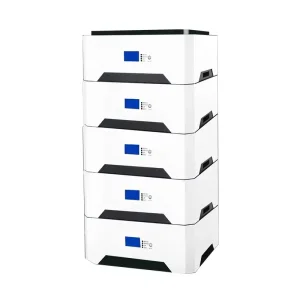
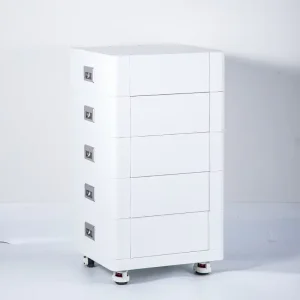
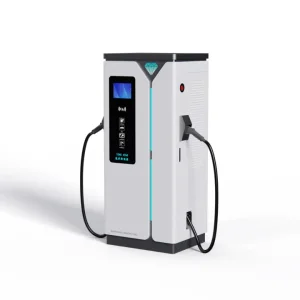
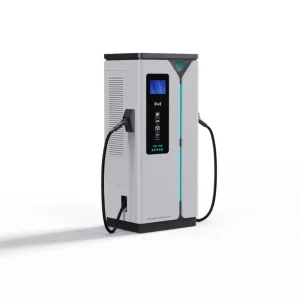
In the contemporary landscape of sustainable mobility, the solar trickle charger car market has transitioned from a niche enthusiast accessory to a critical component of automotive fleet management and residential battery maintenance. As vehicles become increasingly reliant on complex electronic control units (ECUs) and security systems that cause constant "parasitic draw," the need for a consistent, renewable energy source to maintain battery health is paramount.
The global shift toward electric vehicles (EVs) and hybrid electric vehicles (HEVs) has recalibrated the demand for solar trickle chargers. Beyond just preventing lead-acid battery sulfation, these devices are now being adapted for LiFePO4 battery maintenance in high-end energy storage systems.
Global procurement directors are no longer just looking for a price point; they are searching for Information Gain regarding conversion efficiency, temperature resilience, and EMI compliance. Reliable China manufacturers now offer integrated IoT modules to monitor charging status remotely.
Modern trickle chargers utilize MPPT (Maximum Power Point Tracking) algorithms even at low wattages, ensuring that every photon captured by the solar panel is efficiently converted into a steady current, regardless of cloud cover.
Tongxing operates 18 automated assembly lines equipped with IoT-enabled quality control systems. Our Industry 4.0 approach ensures that every solar trickle charger car unit undergoes rigorous aging tests and EMI/EMC compliance design before shipment. This resilience allows us to mitigate global supply chain fluctuations while maintaining a 98.6% field reliability rate.
Our competence spans from circuit topology optimization to software mastery in OCPP 1.6J/2.0 protocols. We don't just assemble; we innovate. Our dual-core redundancy protection systems provide an extra layer of safety, preventing overcharging and thermal runaway in extreme conditions from -35°C to 75°C.
Perfect for seasonal vehicles, classic cars, or motorcycles. Our chargers ensure that even after months of storage, the vehicle starts instantly, saving users thousands in battery replacement costs.
Logistics hubs and rental agencies use our solar solutions to maintain the charge of "idle" assets, reducing operational downtime and labor costs associated with manual jump-starting.
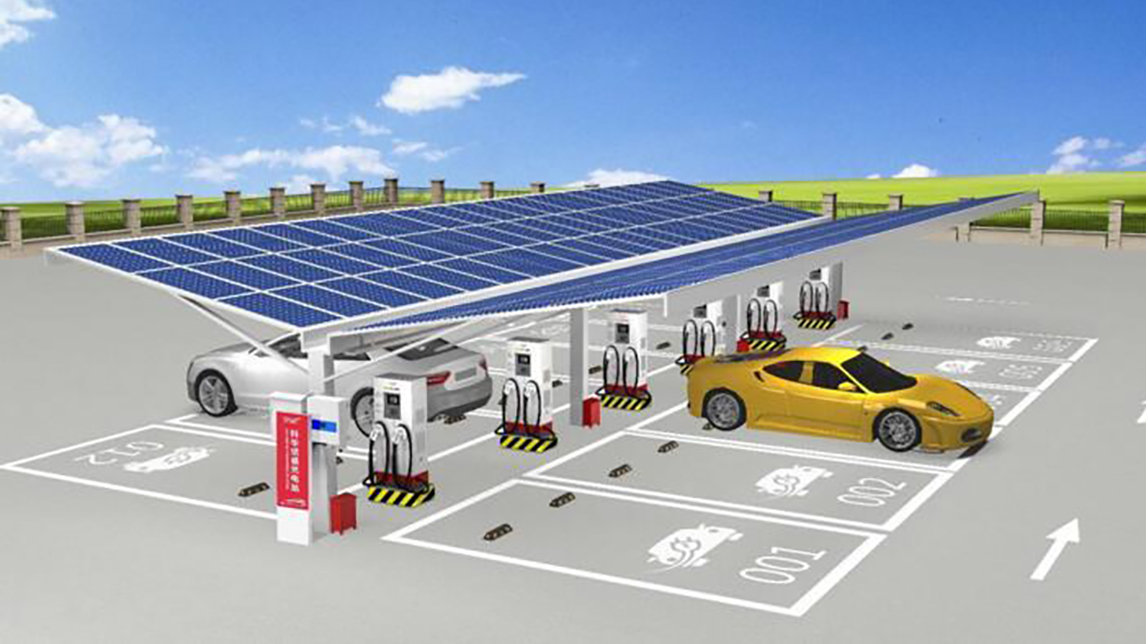
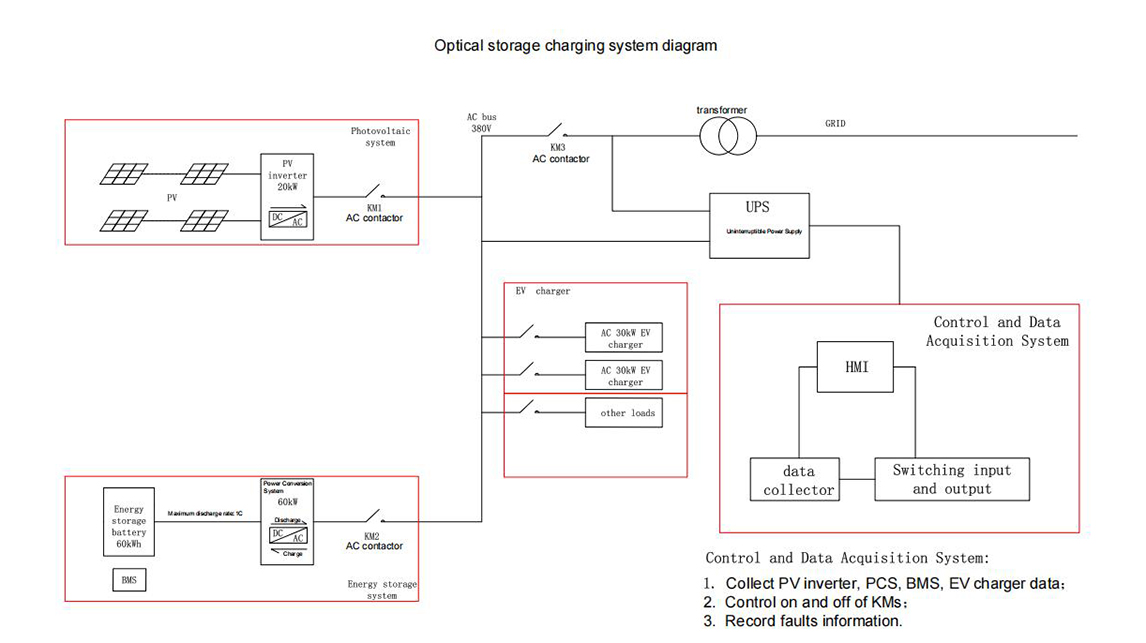
In rural areas with unstable grids, our solar array + energy storage + charger configuration provides a 72-hour continuous power supply for essential vehicle mobility.
| Indicator | Traditional Solution | Tongxing Integrated Solution | Efficiency Improvement |
|---|---|---|---|
| PV Self-Consumption Rate | 50% | 85%+ | ↑ 70% |
| Comprehensive Electricity Cost | 0.85 USD/kWh | 0.62 USD/kWh | ↓ 27% |
| Annual Carbon Emission Reduction | - | 40%-60% | Industry Leading |
| Response Time (Power Smoothing) | ≤50ms | ≤10ms | 80% Faster |
| Cycle Life (at 80% DOD) | ≤3,000 times | ≥6,000 times | 2x Durability |
A: Not with Tongxing's intelligent controllers. Our systems feature automatic voltage detection and "float mode" which stops active charging once full capacity is reached, protecting the battery from thermal damage.
A: Yes. While current output is lower, our high-efficiency monocrystalline PERC panels are designed for low-light performance. In winter, they are crucial for preventing the battery from freezing due to discharge.
A: With national PV subsidies and local energy storage incentives, the typical payback period is approximately 3.8 years, significantly shorter than traditional fuel-infrastructure investments.
 Tongxing