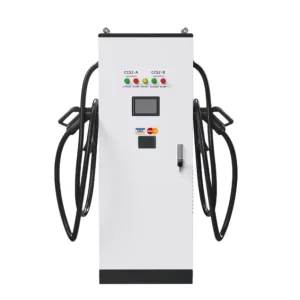
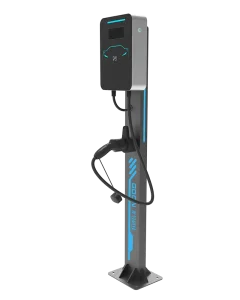
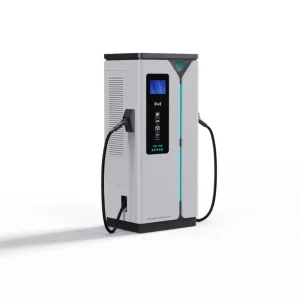
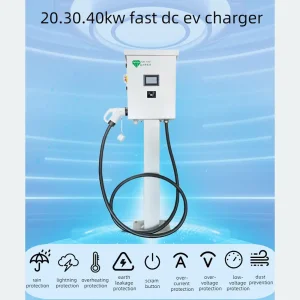
As the global electric vehicle (EV) market shifts toward high-voltage architectures and ultra-fast charging, the Combined Charging System (CCS) has emerged as the universal standard for DC fast charging. For B2B buyers, fleet operators, and infrastructure developers, selecting a reliable Wholesale CCS Charge Port Supplier is not just a procurement decision—it is a strategic investment in future-proof technology.
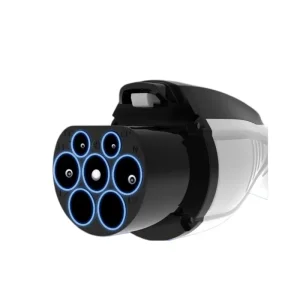
Understanding regional requirements is critical. CCS1 is the primary standard for North America and South Korea, while CCS2 is the dominant interface in Europe, Oceania, and much of Asia. We provide both configurations with specialized PLC (Power Line Communication) modules for seamless vehicle-to-charger handshakes.
Next-generation EVs from Porsche, Hyundai, and BYD require 800V high-voltage platforms. Our CCS charge ports and inlets are engineered with superior thermal management to support 500A+ continuous current, enabling "10-minute 80% charge" capabilities.
With the integration of ISO 15118 protocols, our CCS components support Plug & Charge and encrypted communication, ensuring that every charging session is protected against unauthorized access and data breaches.
Intelligent Production Base
Automation Rate
Certified Engineers
Industry Expertise
Equipped with 18 automated assembly lines and IoT-enabled quality control systems, Tongxing achieves a industry-leading production efficiency. Our R&D team specializes in circuit topology optimization, OCPP 1.6J/2.0 protocol development, and EMI/EMC compliance design. We don't just assemble; we innovate.
All CCS products meet CE (LVD/EMC), TUV, and UL standards. We ensure that our wholesale partners can clear customs and pass local grid inspections without delay, reducing time-to-market for large-scale deployments.
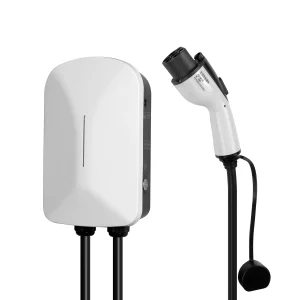
Engineered with military-grade materials, our IP55/IP65-certified charging stations deliver unmatched performance in temperatures ranging from -35°C to 75°C, making them ideal for both Arctic and Desert climates.
Our systems support dynamic load balancing (DLB) and V2G (Vehicle-to-Grid) capabilities, helping operators manage peak demand and generate revenue by selling power back to the grid during high-load periods.
Procuring from a specialized China-based manufacturer offers significant competitive benefits in terms of cost, vertical integration, and innovation speed.
| Metric | Traditional Suppliers | Tongxing Integrated Supply Chain | Client Benefit |
|---|---|---|---|
| Lead Time (Bulk Order) | 12-16 Weeks | 4-6 Weeks | Rapid Market Entry |
| R&D Customization | Standardized Only | Full OEM/ODM Support | Brand Differentiation |
| Production Cost | High Overhead | Optimized Automation | 30% Lower CapEx |
| Quality Control | Third-party Audit | In-house ISO 9001 Labs | 98.6% Field Reliability |
Making every kilowatt-hour smarter and every charge greener.
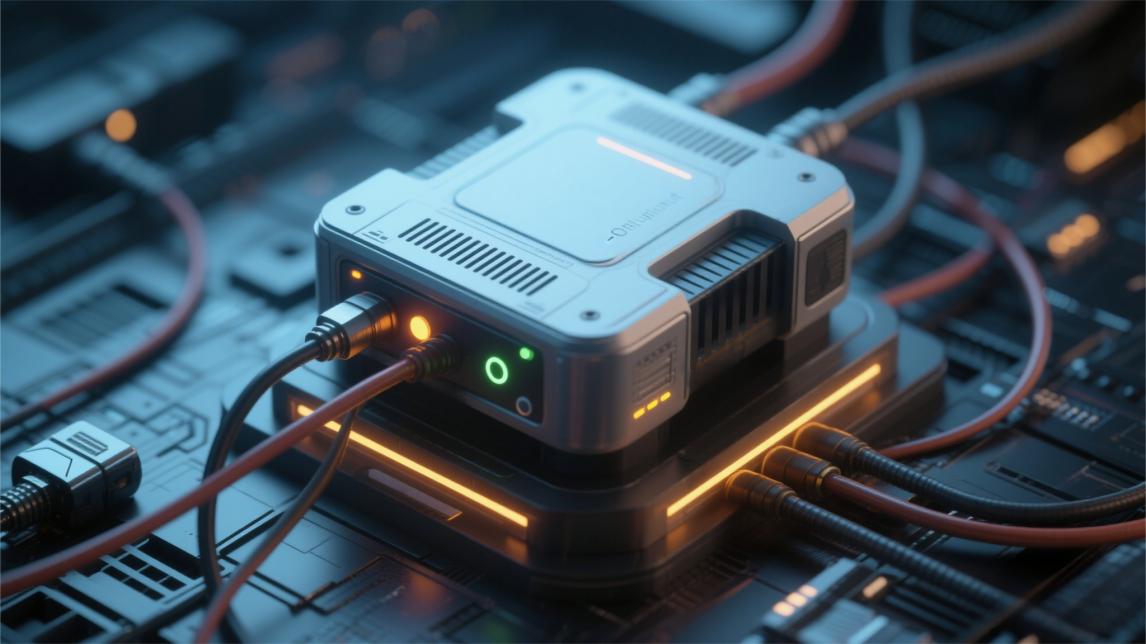
Rooftop solar panels provide real-time power, meeting 30%-50% of charging demand at 1/3 of grid electricity prices.
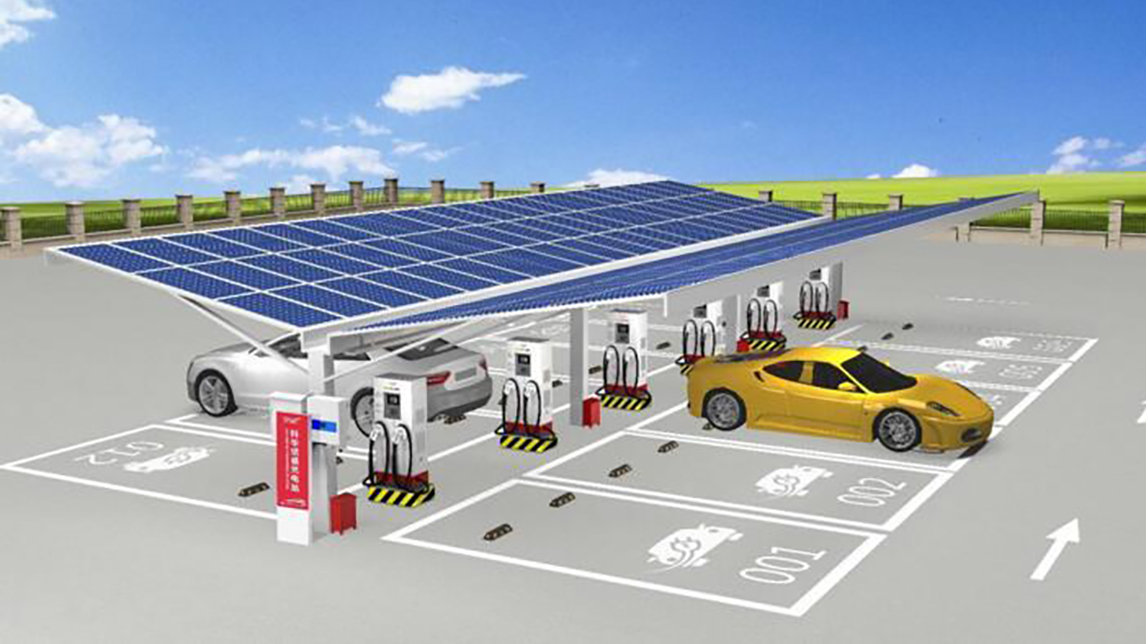
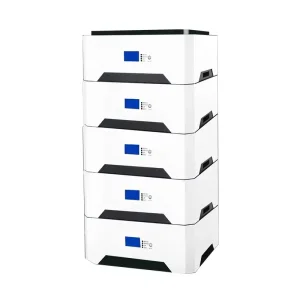
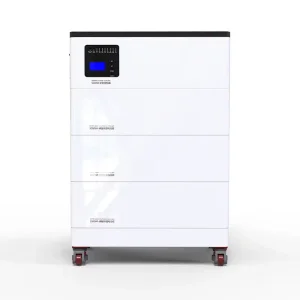
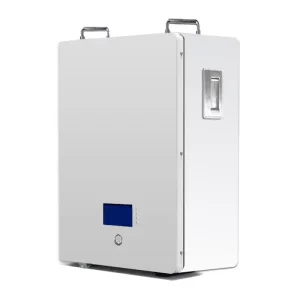
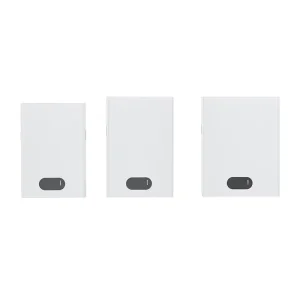
Modular storage systems (100kWh-10MWh) reduce peak-hour costs by 40% while serving as 72-hour emergency power.
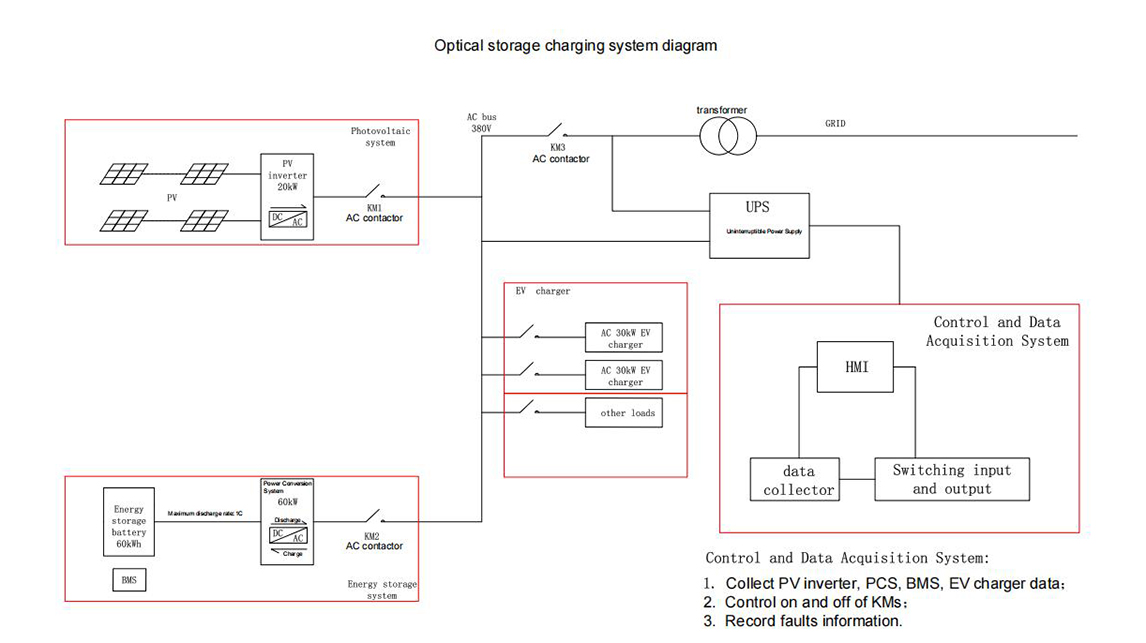
Prioritizes PV/storage power to reduce peak-hour dependence. Tracks carbon emissions for ISO 14064 certification.
As charging power exceeds 350kW, traditional air cooling is insufficient. The industry is moving toward liquid-cooled CCS connectors that use coolant circulation within the cable to keep temperatures low, allowing for lighter cables and faster charging speeds.
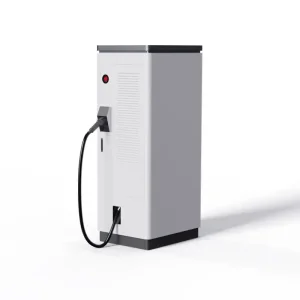
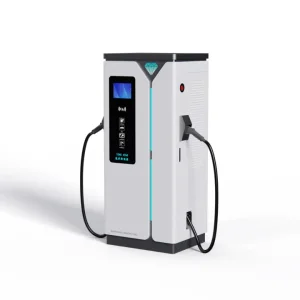
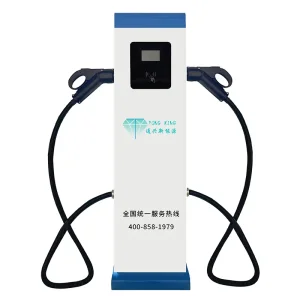
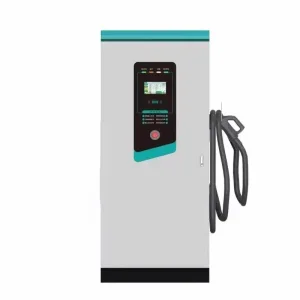
Wholesale CCS suppliers are seeing a shift from single chargers to integrated "Energy Hubs" where multiple 480kW units are powered by a centralized power cabinet with dynamic power sharing. This increases stall utilization and ROI for operators.
While CCS2 is king for passenger cars, the upcoming MCS standard—sharing many architectural similarities with CCS—will revolutionize electric trucking, supporting up to 3.75MW of power.
A: CCS1 (Combined Charging System Type 1) uses a J1772 AC connector with two DC pins below, common in North America. CCS2 uses a Mennekes Type 2 AC connector with two DC pins, common in Europe and the rest of the world. We supply both options to accommodate global procurement needs.
A: Yes, all our commercial stations are fully compliant with OCPP 1.6J and are upgradeable to OCPP 2.0.1. This ensures interoperability with any network management software or payment gateway.
A: We conduct rigorous testing including thermal cycling, salt spray resistance, and 10,000+ plug-unplug cycle tests. Our manufacturing process follows ISO 9001 standards, and our field reliability rate stands at 98.6%.
A: Absolutely. We offer comprehensive OEM/ODM services, including customized enclosure colors, logo printing, and bespoke UI/UX for the touch-screen interface to match your corporate identity.
A: Typically, production takes 2-4 weeks depending on order size. Sea freight takes 3-5 weeks to Europe/Americas, while air freight options are available for urgent project requirements.
 Tongxing