As the world pivots toward a carbon-neutral future, the demand for high-performance Electric Vehicle Supply Equipment (EVSE) has shifted from a niche automotive accessory to a critical backbone of urban and industrial infrastructure. The market for wholesale EV chargers is no longer just about hardware; it is about the "Level" of technology—ranging from residential AC wallboxes to ultra-fast DC industrial hubs. Understanding the nuances of Level 1, Level 2, and Level 3 (DCFC) charging is essential for global procurement officers, city planners, and commercial developers.
Today, the efficiency of Chinese EV charger factories is setting the global gold standard. By integrating 23 years of power electronics expertise with hyper-automated assembly lines, companies like TONGXING NEW ENERGY are delivering unprecedented Information Gain to the supply chain—combining hardware reliability with AI-driven energy management systems.
Tongxing New Energy Technology Co., Ltd. represents the pinnacle of "Quality-First" manufacturing. As a National High-Tech Enterprise, our facilities are designed to meet the rigorous demands of the global energy transition.
Our 72,000m² facility features 18 automated assembly lines. With a 95% production automation rate, we ensure every component—from circuit boards to thermal cooling modules—meets ISO-9001 standards.
Over 140 certified engineers specialize in power electronics and embedded systems. We develop proprietary OCPP 1.6J/2.0 protocols and energy dispatch algorithms in-house, ensuring future-proof software compatibility.
Engineered for the globe: IP55/IP65 ratings allow operation from -35°C in Arctic conditions to 75°C in desert heat. Our military-grade materials prevent corrosion and dust ingress.
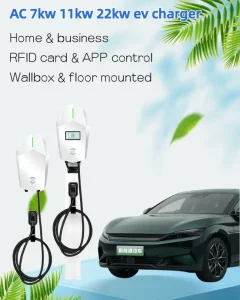
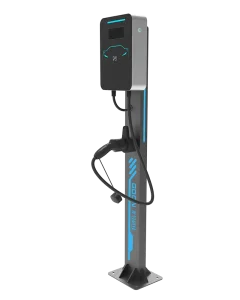
Primary Use: Residential garages, workplaces, and retail parking.
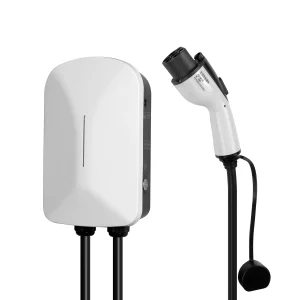
Advantage: The most cost-effective solution for "long-dwell" locations. Our Level 2 wallboxes feature smart APP control, Dynamic Load Balancing (DLB), and solar integration.
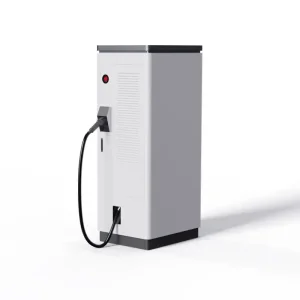
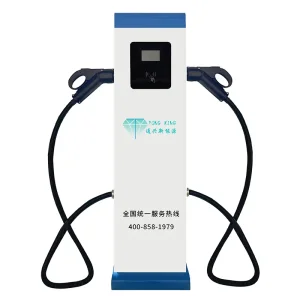
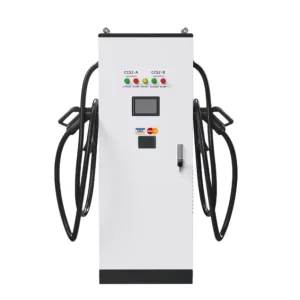
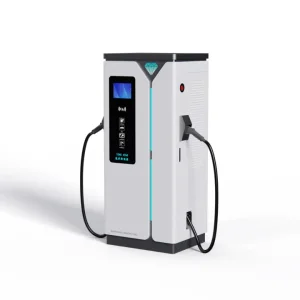
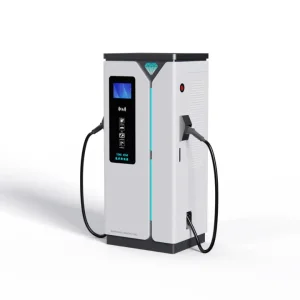
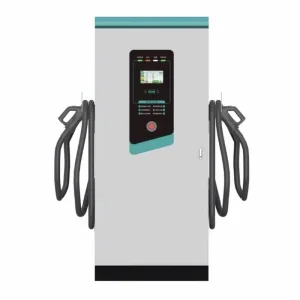
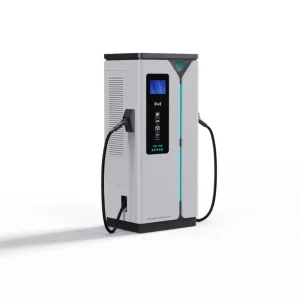
Primary Use: Highway service areas, fleet hubs, and commercial rapid-charge points.
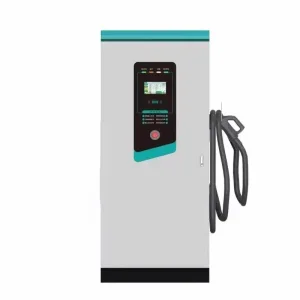
Advantage: Capable of replenishing 200km of range in under 15 minutes. Supports multi-gun power sharing to maximize station ROI.
China accounts for over 60% of the world's EV infrastructure manufacturing. Our proximity to the lithium-ion supply chain and semiconductor hubs allows for 30% lower costs without compromising on CE/UL/IEC certifications.
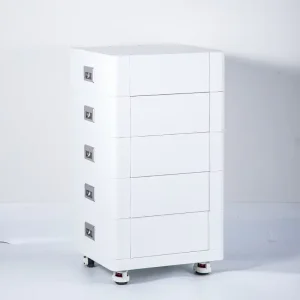
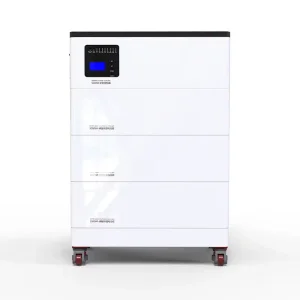
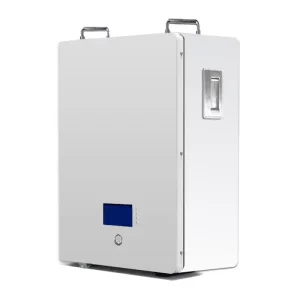
Modern enterprises no longer seek standalone chargers; they seek Energy Independence. Our integrated Photovoltaic-Energy Storage-EV Charging solution allows businesses to:
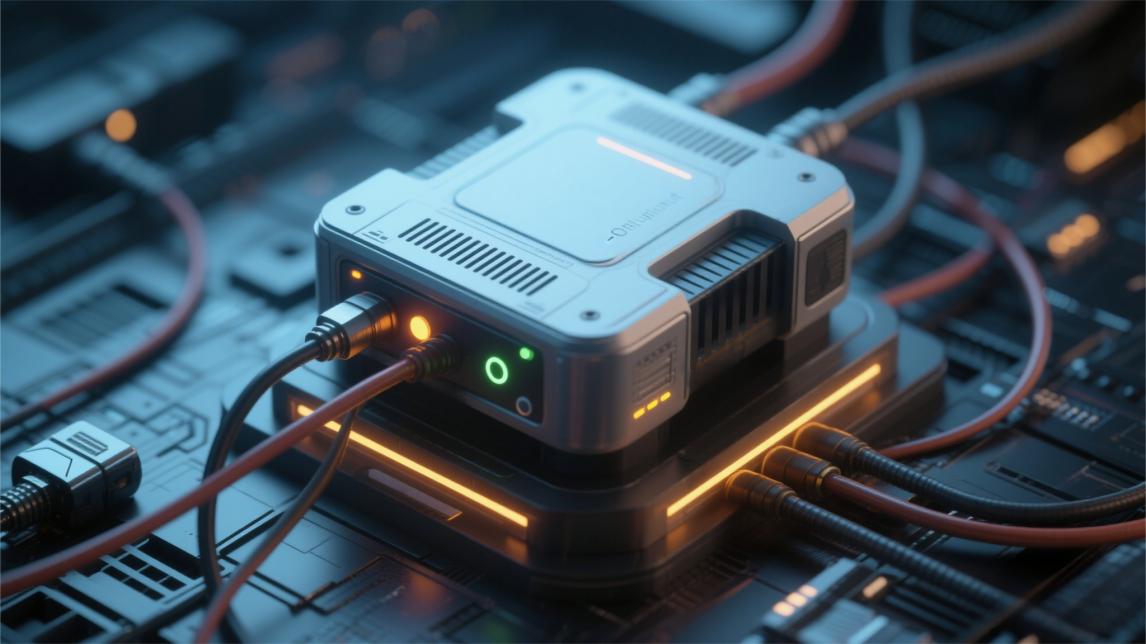
| Indicator | Traditional Solution | Tongxing Integrated Solution | Improvement |
|---|---|---|---|
| PV Self-Consumption Rate | 50% | 85%+ | ↑ 70% |
| Comprehensive Electricity Cost | 0.85 USD/kWh | 0.62 USD/kWh | ↓ 27% |
| System Efficiency | ≤93% | ≥96% | Industry Leading |
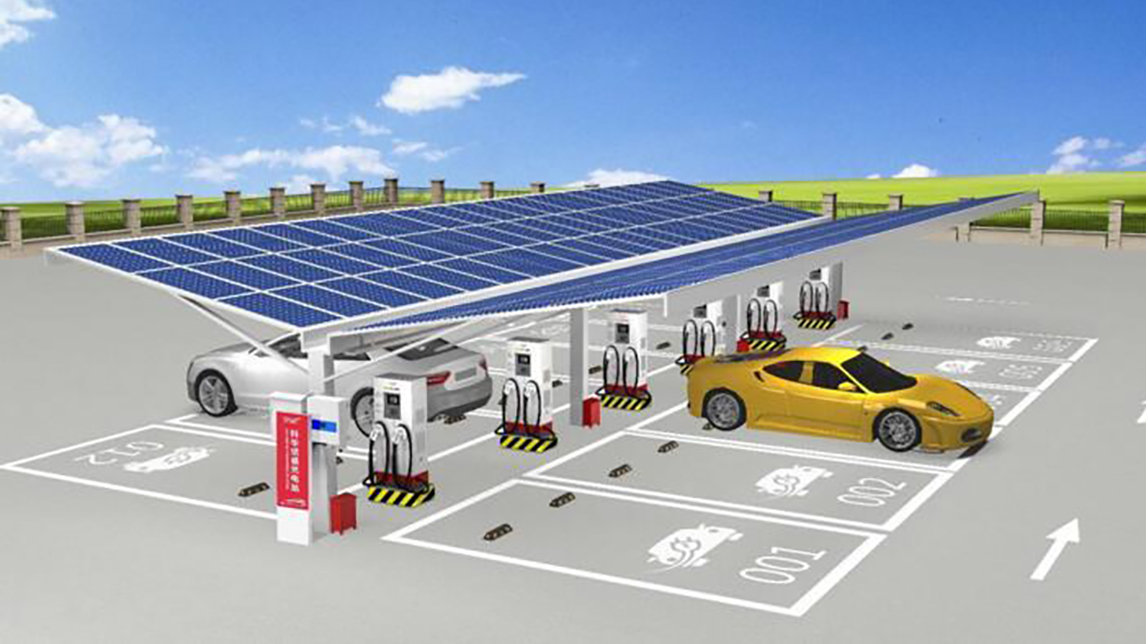
Reduce operational overhead by powering logistics fleets with off-peak energy storage and ultra-fast DC dispensers.
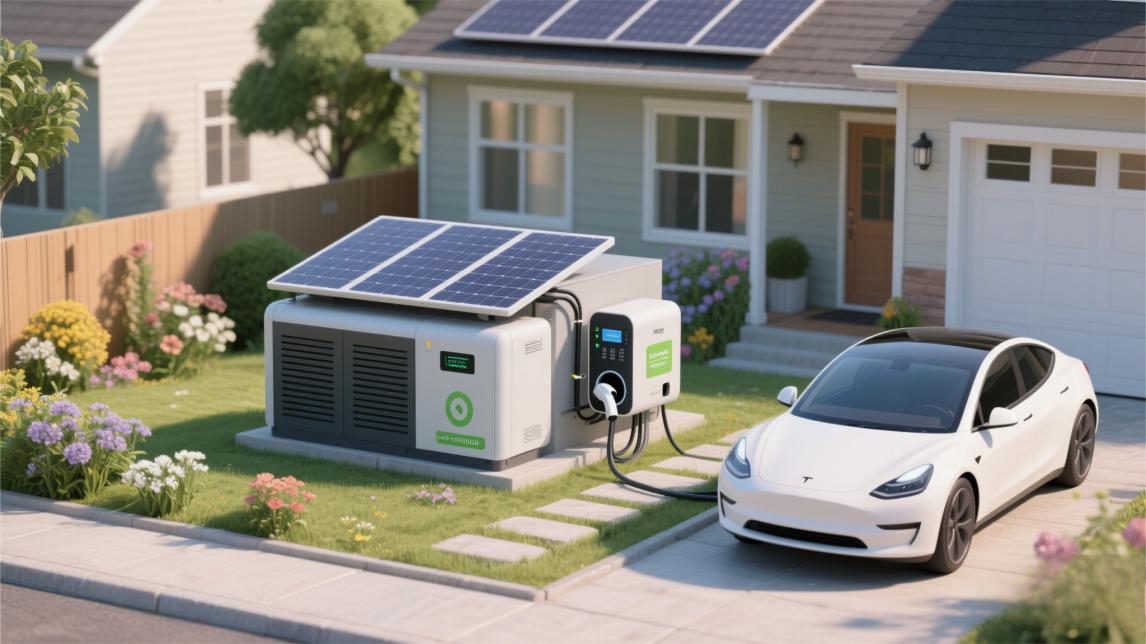
Wall-mounted chargers with scheduled charging modes allow homeowners to use "Free" solar energy, saving up to $5,000 annually.
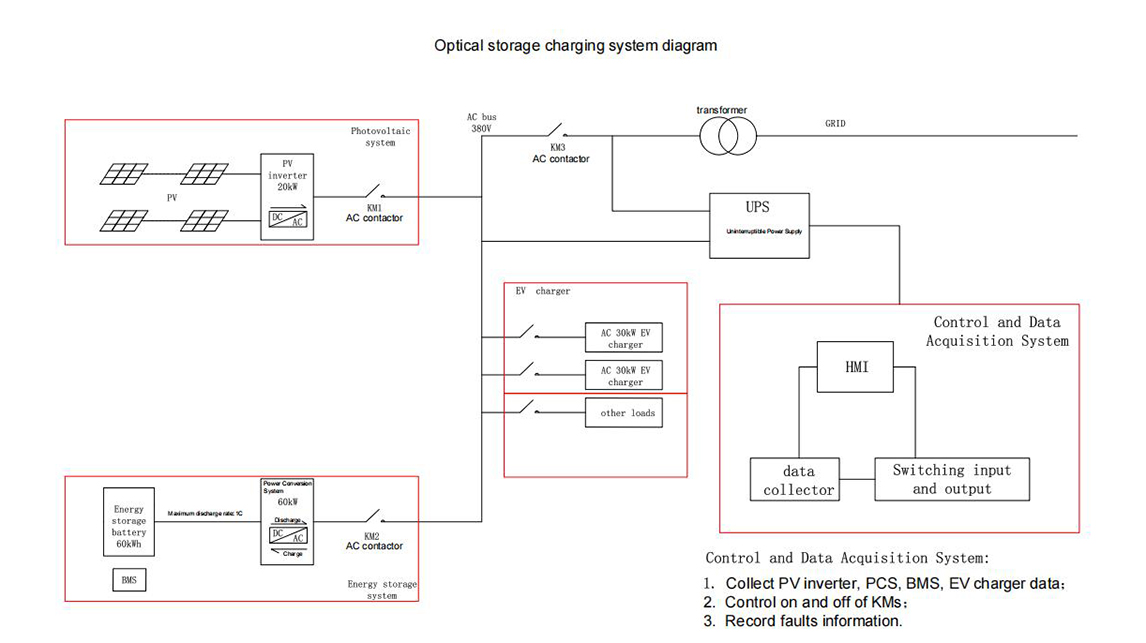
Containerized deployment with 72-hour standalone capability, perfect for remote resorts and mining sites without stable grid access.
Electric vehicles will soon act as mobile batteries. Our R&D is currently perfecting bidirectional charging modules that allow EVs to sell power back to the grid during peak demand.
To match the next generation of Porsche, Hyundai, and Lucid motors, our chargers are evolving to support 800V/1000V platforms, pushing charging speeds to the physical limits of the connectors.
Using machine learning to predict charging patterns based on weather, local events, and historical data, our cloud platforms optimize energy use across entire station networks.
Eliminating cables for autonomous taxi fleets. We are investing in high-efficiency resonant magnetic induction for hands-free charging.
 Tongxing