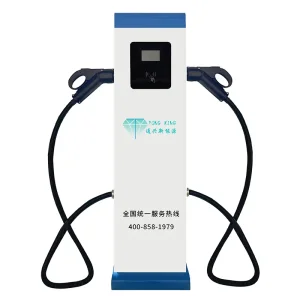
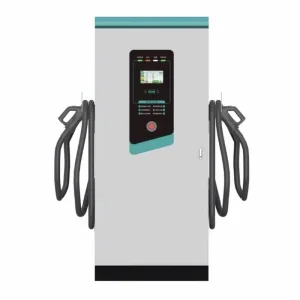
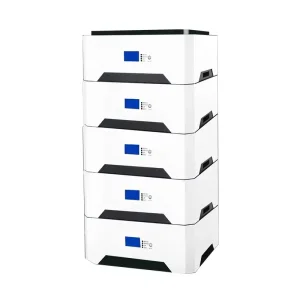
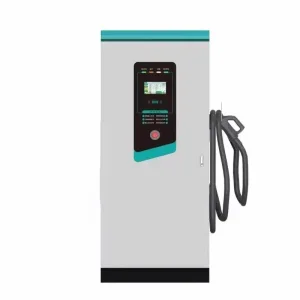
As a certified national high-tech enterprise with 23 years of expertise in the energy sector, Tongxing specializes in the R&D, production, and global distribution of innovative EV charging systems. Our comprehensive product portfolio spans from 3.5KW residential chargers to industrial-grade 960KW ultra-fast charging stations.
Our commitment to excellence is backed by a 72,000m² intelligent production base and an IoT-enabled quality control system that achieves a 95% production automation rate. We don't just manufacture hardware; we deliver a full-scenario energy ecosystem integrated with photovoltaic (PV) and energy storage solutions.
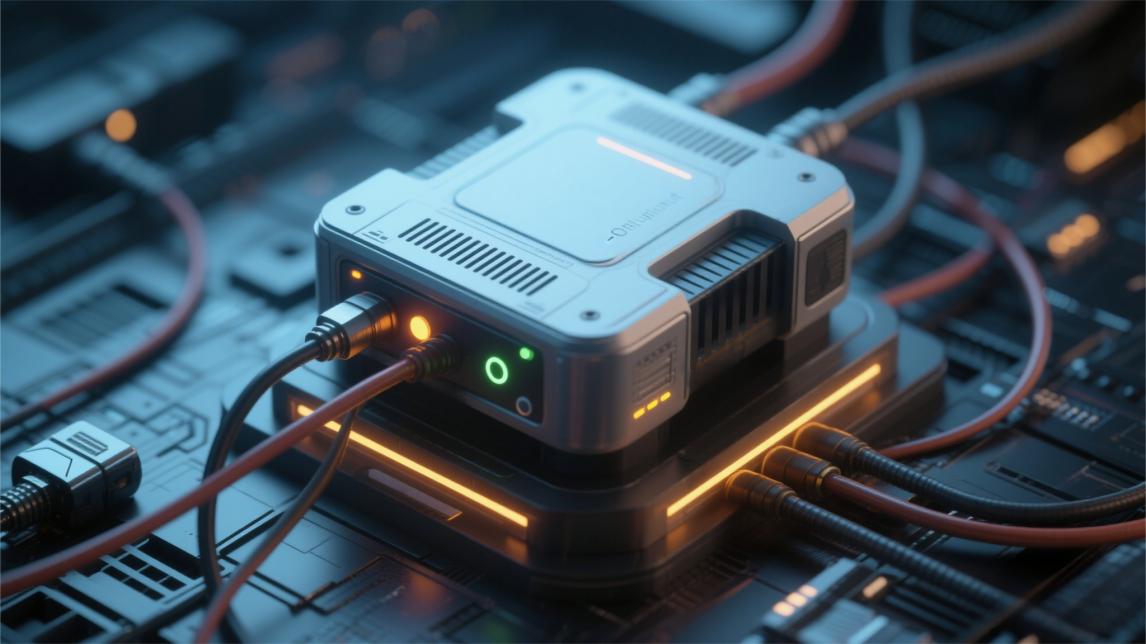
From Iceland's Arctic conditions to Saudi Arabia's desert climates, our hardware is engineered for global resilience.
Verified by 2023 TÜV audits, ensuring continuous uptime for commercial and public infrastructure operators.
Pioneering advancements in charging connectivity, thermal management, and energy dispatch algorithms.
The global EV charging station market is transitioning from a nascent public utility phase to a sophisticated commercial ecosystem. Wholesale manufacturers are now the backbone of this transition, providing the scalability needed by fleet operators, real estate developers, and municipal planners. The integration of OCPP 1.6J and 2.0.1 protocols has standardized the industry, allowing for seamless interoperability between different hardware and software management platforms.
The operator owns the assets and earns revenue from the spread between wholesale electricity costs and retail charging fees. Ideal for highway service areas and urban hubs.
Focuses on the software layer—subscription-based models, roaming agreements, and user experience apps. Manufacturers support this through White-Label solutions.
The future of revenue. Chargers act as bidirectional energy nodes, selling power back to the grid during peak demand hours, creating a secondary income stream.
Reducing LCOE (Levelized Cost of Energy) by using on-site PV generation to charge vehicles, significantly increasing the profit margin per kWh delivered.
| Capability Layer | Hardware Mastery | Software & IoT Expertise |
|---|---|---|
| R&D Focus | Circuit topology optimization, EMI/EMC compliance, Thermal management. | OCPP 2.0.1 development, Energy dispatch AI, Cloud architecture. |
| Production | 18 automated assembly lines, 72,000m² facility. | Dual-core redundancy protection systems, Remote firmware (OTA). |
| Future Tech | 960KW Liquid-cooled ultra-fast charging. | Blockchain-based payment gateways, Predictive maintenance. |
Our manufacturing philosophy focuses on Extreme Environment Resilience. All units are IP55/IP65 certified, operating flawlessly between -35°C and 75°C. This reliability is the primary reason why industrial partners in mining and logistics hubs choose Tongxing.
Supports 120kW-960kW ultra-fast charging, adding 200km range in just 10 minutes. AI power distribution technology improves multi-gun charging efficiency by 25%.
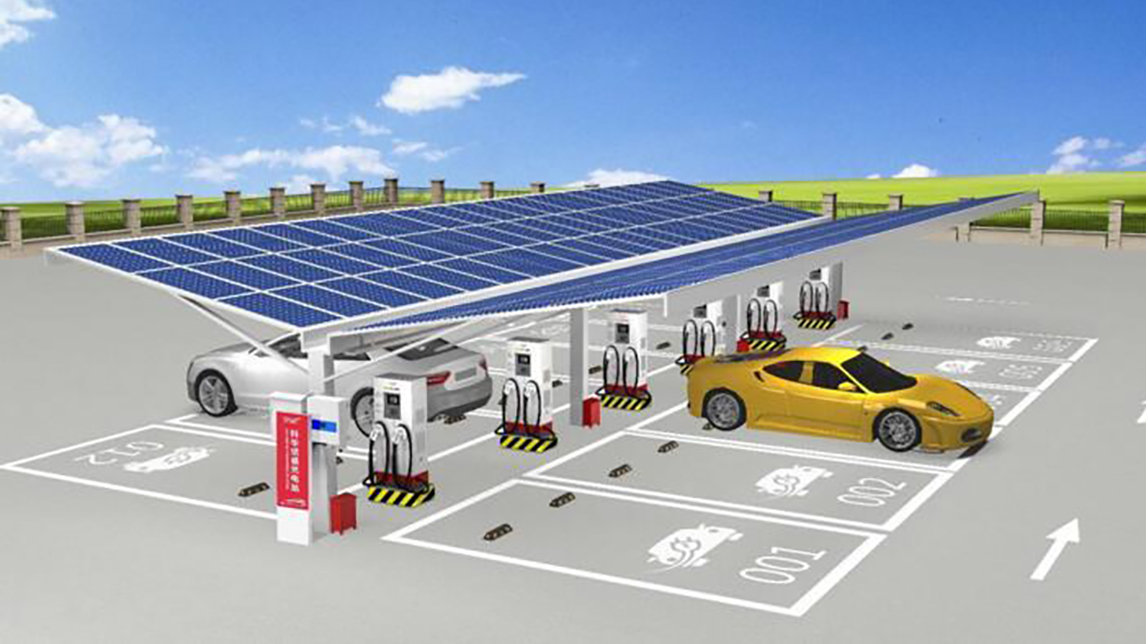
Integrated Photovoltaic-Energy Storage-Charging. Reducing peak-hour grid dependence by 40% and providing 72-hour emergency backup power for critical operations.
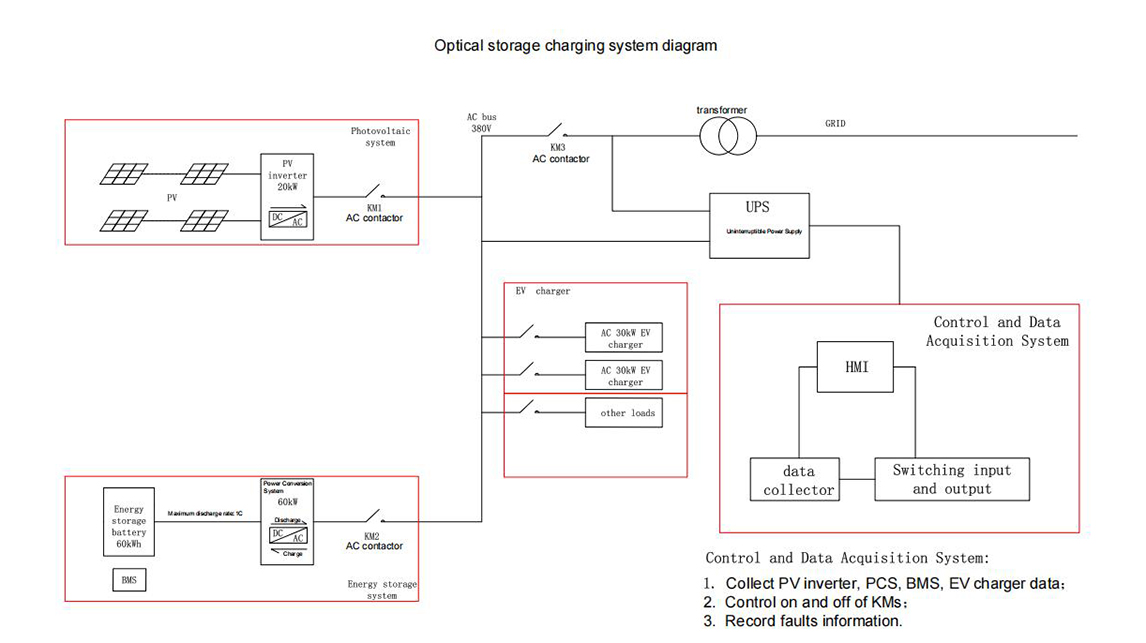
| Indicator | Traditional Solution | Integrated Solution | Improvement |
| PV Self-Consumption Rate | 50% | 85%+ | ↑ 70% |
| Electricity Cost (Avg) | 0.85 USD/kWh | 0.62 USD/kWh | ↓ 27% |
| Carbon Emission Reduction | - | 40%-60% | Significant Gain |
Make every home an energy center. 7kW/11kW AC chargers with APP scheduling allow for charging costs as low as 1/15th of fuel vehicle expenses using off-peak electricity.
Grid-free operation in remote campsites or mining areas using Solar Array + DC Fast Chargers. Ensures 72-hour continuous power supply even with minimal sunlight.
Virtual Power Plant (VPP) integration. Participating in grid ancillary services can generate up to $50,000 annual revenue per MW of installed storage.
The industry is moving toward Megawatt Charging Systems (MCS) for heavy-duty trucking and High-Power Liquid Cooled terminals that rival gasoline refueling times. Furthermore, the convergence of AI with energy management will allow stations to predict vehicle arrival times and optimize grid loads in real-time, drastically reducing the strain on aging infrastructure.
Wholesale partnerships offer significant cost reductions, custom branding (white-labeling), and direct technical support. For large-scale developers, it ensures hardware consistency across multiple locations, facilitating easier maintenance and software integration.
By capturing solar energy during the day and storing it in high-capacity batteries, operators can avoid "peak demand charges" from the grid. This "peak shaving" strategy can reduce total electricity bills by up to 40%.
Yes. Our chargers support global standards including Type 1 (SAE J1772), Type 2 (IEC 62196), CCS1, CCS2, and GB/T, ensuring compatibility with Tesla, BYD, Volkswagen, and other mainstream manufacturers.
Depending on local government subsidies and electricity tariffs, a well-placed commercial charging hub typically achieves ROI within 3.5 to 5 years. Integrated solar solutions can shorten this period by adding additional revenue streams from energy arbitrage.
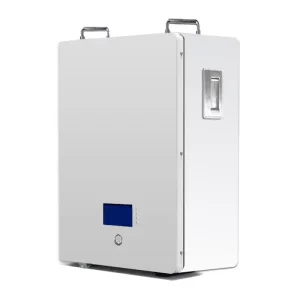
China Battery 15Kwh All in One Home Energy Storage on Grid High Voltage Battery with Inverter
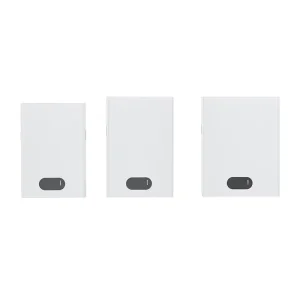
China 48v 100AH Powerwall 5kw 10kw Energy Storage System Power Wall Mounted Solar Battery
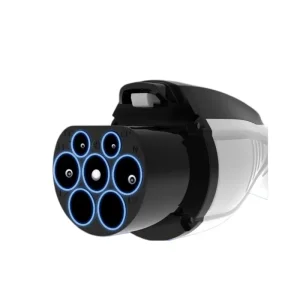
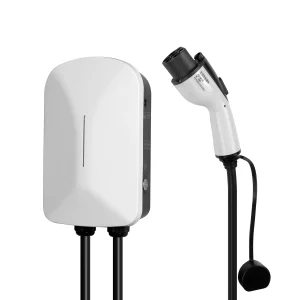
Wholesale Type1 Type2 GB/T 7-22KW EV Charging Station Wallbox 1/3 Phase Level3 32A OCPP APP
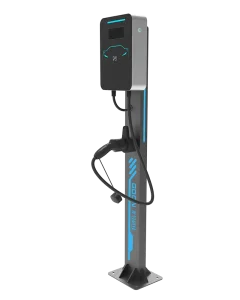
China New Arrival OCPP APP Control Passed CE Certificate 230V/380V 32A 7KW 11KW 22KW Type 2
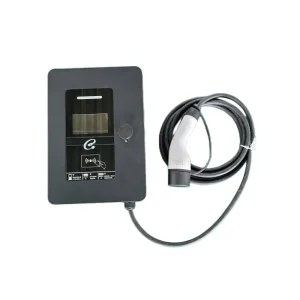
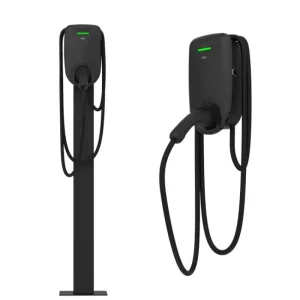
Wholesale 7kw Ev Charger High Power Vertical AC New Energy Car Charging Pile Ocpp1.6j APP
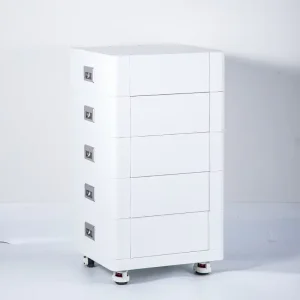
China Hot Sale High Voltage Stacked Energy Storage Battery Power 48V 52Ah 200Ah 100Ah 10kWh
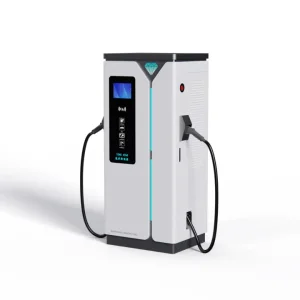
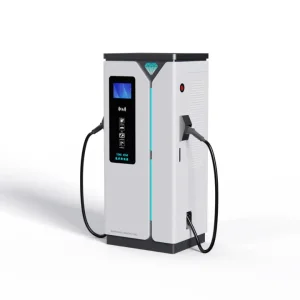
Wholesale 180kw Commercial Ocpp Ev Charging Station Fast Dc Ev Charger with 12 Inch Touch Screen
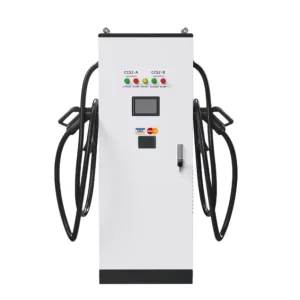
China Commercial DC 120KW Rapid EV Charging Station CE OCPP1.6/2.0J CCS2 GBT Charging Point
 Tongxing