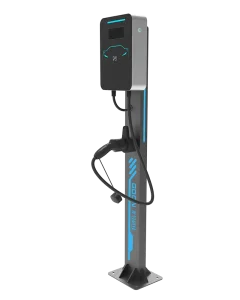
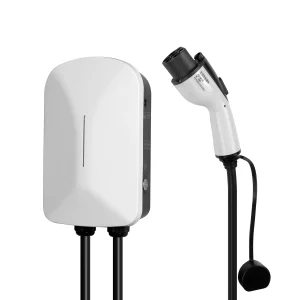
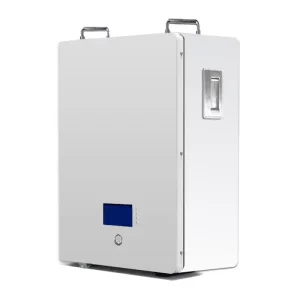
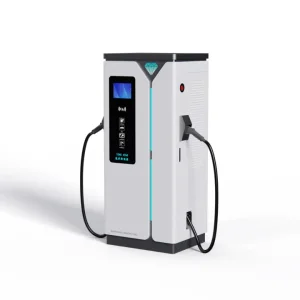
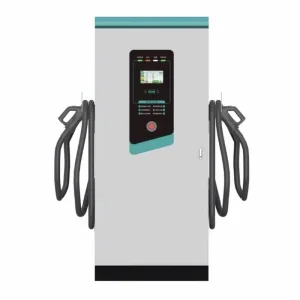
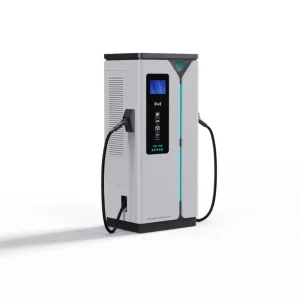
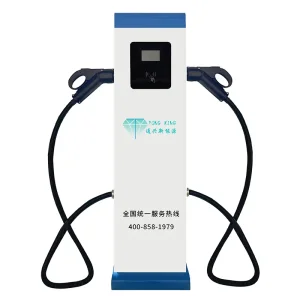
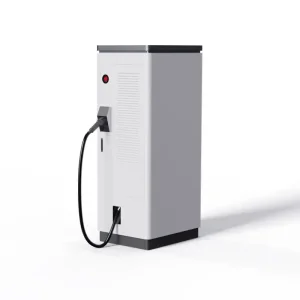
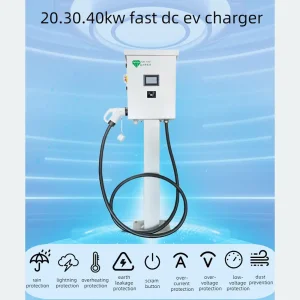
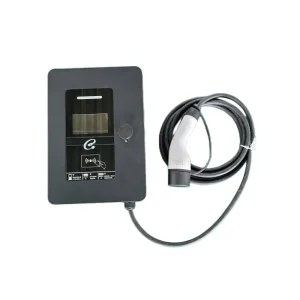
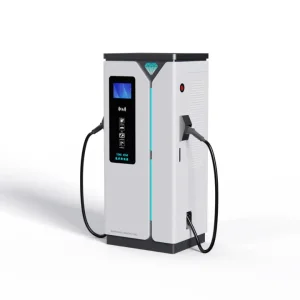
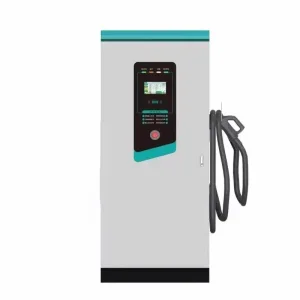
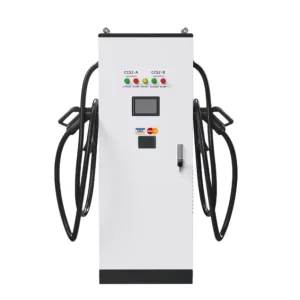
As the global automotive industry pivots toward electrification, the demand for Level 3 Fast Charging (DCFC) infrastructure has shifted from a "luxury amenity" to a "critical utility." Level 3 chargers represent the pinnacle of EV power delivery, capable of replenishing vehicle range in minutes rather than hours. For fleet operators, commercial property owners, and energy providers, selecting a Tier-1 Level 3 Charger Factory is the most decisive factor in long-term ROI and grid stability.
At TONGXING NEW ENERGY TECHNOLOGY CO., LTD., we serve as a backbone for this transition, leveraging 23 years of energy sector expertise to engineer charging stations that are not only powerful but intelligently integrated into the modern smart grid.
Our latest Level 3 systems support the Open Charge Point Protocol (OCPP) 2.0.1, enabling advanced security and ISO 15118 "Plug & Charge" capabilities. We are actively implementing Vehicle-to-Grid (V2G) technology, allowing EVs to serve as mobile energy storage units that stabilize the grid during peak demand.
To achieve charging speeds exceeding 350kW, thermal management is paramount. Our R&D focuses on liquid-cooled cable technology, reducing cable weight by 40% while preventing overheating, ensuring consistent 500A+ current delivery even in 45°C ambient temperatures.
Smart Dynamic Load Balancing (DLB) uses AI algorithms to distribute power across multiple charging satellite dispensers. This maximizes station throughput and prevents grid overloads, reducing infrastructure upgrade costs for site hosts.
Tongxing’s 72,000m² intelligent production base utilizes IoT-enabled quality control systems and 18 automated assembly lines. By manufacturing core components in-house—including power modules, control boards, and thermal systems—we ensure:
High-duty cycle charging for electric bus fleets. Supports 120kW-960kW ultra-fast charging, adding 200km range in just 10 minutes of layover time.
MCS (Megawatt Charging System) compatibility for heavy-duty electric trucks, ensuring logistics corridors remain operational 24/7.
Turnkey solutions for shopping malls and office parks, featuring customized branding and integrated payment gateways for monetized charging.
| Indicator | Traditional Solution | Tongxing Level 3 Solution | Improvement Value |
|---|---|---|---|
| Peak Efficiency | 92% - 94% | 96% + | Lower Heat, Higher ROI |
| Response Time | ≤50ms | ≤10ms | Grid Stability Support |
| PV Self-Consumption | 50% | 85% + | ↑ 70% Energy Independence |
| Standby Power | Standard | Reduced by 78% | 2021-2023 Optimization |
| Operating Temp | -20°C to 50°C | -35°C to 75°C | Military-Grade Resilience |
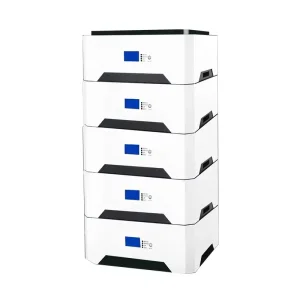
Store low-cost power during off-peak hours and release it during peak hours, reducing grid electricity costs by 40% per station and alleviating grid load stress. Our systems support modular storage from 100kWh to 10MWh.
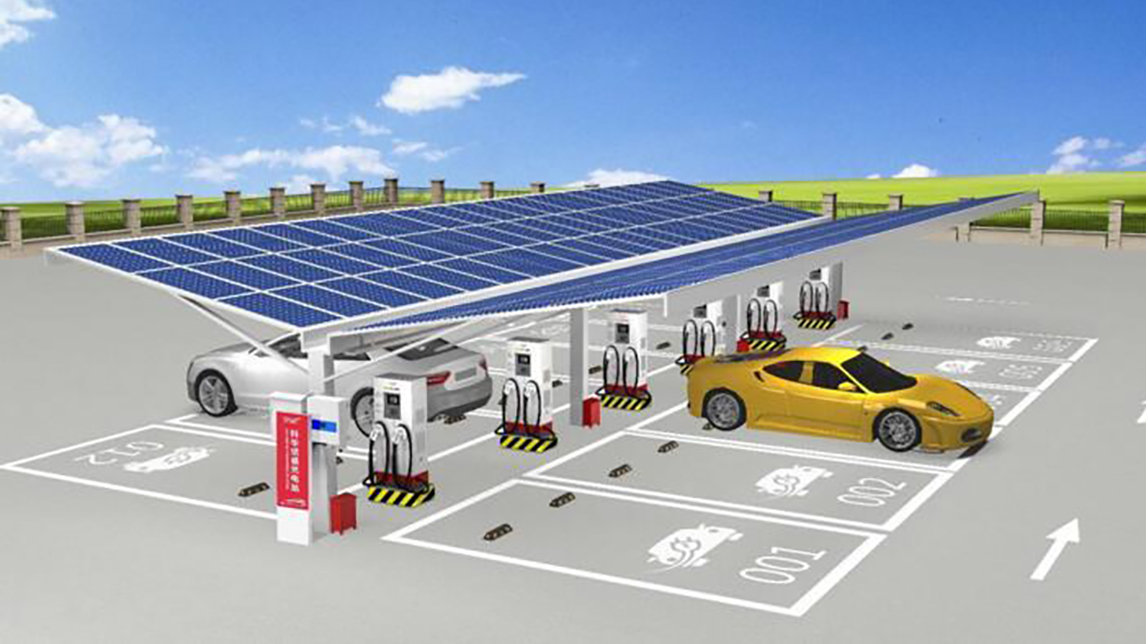
Rooftop/canopy solar panels provide real-time power, meeting 30%-50% of charging demand at as low as 1/3 of peak grid electricity prices.
CE, TUV, UL, and IEC compliant hardware ensuring smooth entry into European, North American, and APAC markets.
24-month warranty and lifetime technical support. Strategic partnerships with local installers in 45+ countries.
Full white-label services, including custom enclosure design, software skinning, and protocol integration for B2B brands.
Level 2 uses AC power (7kW-22kW) and relies on the vehicle's onboard charger, usually taking 4-8 hours. Level 3 (DC Fast Charging) bypasses the onboard charger to deliver 50kW-360kW+ directly to the battery, charging a car in 15-30 minutes.
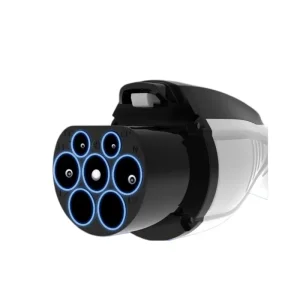
Yes. Our chargers support CCS1, CCS2, CHAdeMO, and GB/T standards. With the appropriate connector or adapter (like NACS), they are fully compatible with Tesla, BYD, Volkswagen, and Hyundai vehicles.
Our AI-driven controller monitors the total building load and the number of connected EVs. It automatically adjusts the output of each charger to stay within the property's power limit, avoiding expensive peak demand charges.
Absolutely. Tongxing chargers are engineered for extreme resilience (IP55/IP65) and tested to operate from -35°C (Arctic conditions) to 75°C (Desert conditions).
 Tongxing