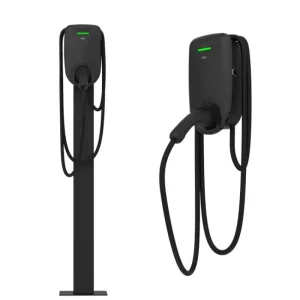
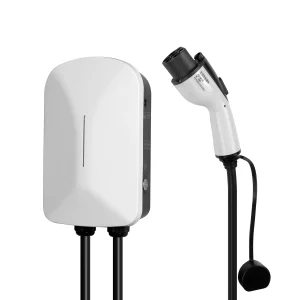
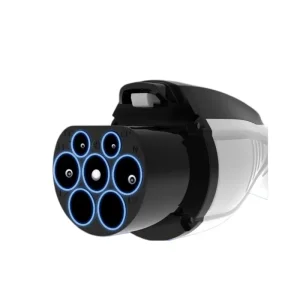
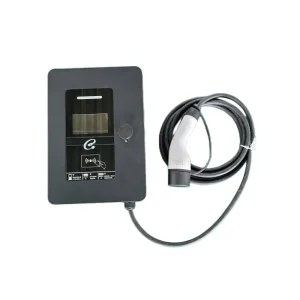
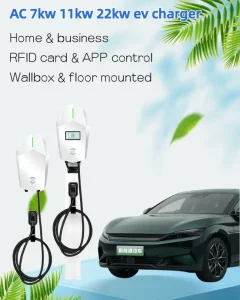
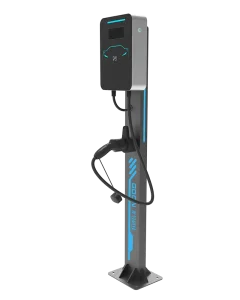
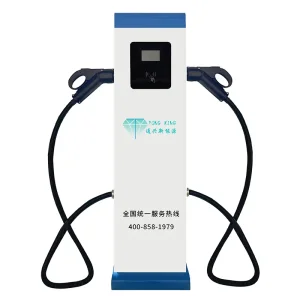
Portugal stands as one of the pioneers in European electric mobility, largely driven by the MOBI.E network—a universal, interoperable charging system that spans the entire country. As the Portuguese government pushes for carbon neutrality by 2050, the demand for high-quality AC EV chargers in Lisbon, Porto, and the Algarve has surged.
For B2B buyers and project developers, selecting the right AC EV charger factory is no longer just about hardware; it’s about software integration (OCPP 1.6J/2.0.1), local regulatory compliance (DGEG), and the ability to withstand Atlantic coastal humidity.
Our 72,000m² facility utilizes IoT-enabled assembly to ensure every unit destined for the Portugal market meets IEC 61851 standards. With 18 automated lines, we maintain a 95% automation rate, reducing human error and ensuring consistent circuit topology optimization.
Portuguese coastal projects require salt-spray resistance. Our IP55/IP65 units are tested from -35°C to 75°C, featuring military-grade materials that prevent corrosion in high-salinity environments like Faro or Matosinhos.
We provide proprietary OCPP cloud architectures. This allows Portuguese fleet managers to integrate seamless payment gateways and manage energy dispatch algorithms in real-time via mobile applications.
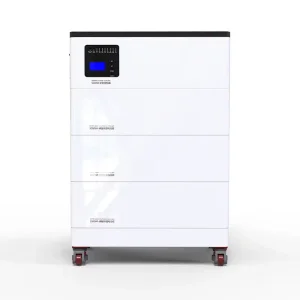
With Portugal’s high solar irradiation, integrating photovoltaic systems with EV charging is the most efficient ROI strategy for industrial parks and commercial districts.
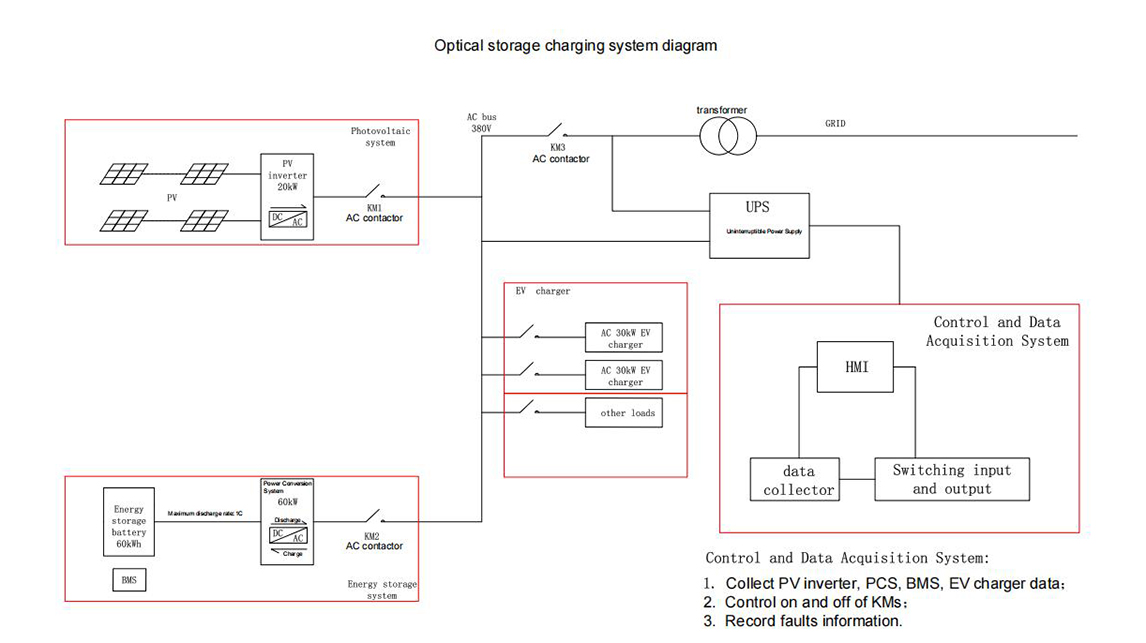
| Indicator | Traditional Grid-Only | Integrated Solar-Storage | Improvement |
|---|---|---|---|
| PV Self-Consumption Rate | 50% | 85%+ | ↑ 70% |
| Comprehensive Electricity Cost | 0.85 USD/kWh | 0.62 USD/kWh | ↓ 27% |
| Annual Carbon Reduction | Minimal | 40%-60% | Significant |
Focus on OCPP 2.0.1 implementation and ISO 15118 (Plug & Charge) to ensure compatibility with all European EV brands entering Portugal.
Integration with V2G (Vehicle-to-Grid) technology, allowing Portuguese homeowners to sell power back to the grid during peak demand.
Predictive maintenance algorithms using AI to detect component failure before it occurs, ensuring 99.9% station uptime.
When sourcing from an AC EV charger factory, the "hidden cost" is often post-sale technical support and grid-side compatibility. Unlike generic suppliers, our 23-year history in power electronics allows us to provide Dual-Core Redundancy Protection—a system where a backup processor takes over if the primary fails, preventing downtime. This is critical for commercial stations in remote Portuguese regions where immediate on-site maintenance is logistically challenging.
Furthermore, our Dynamic Load Balancing (DLB) solutions are optimized for the typical power constraints found in many Portuguese residential grids (3.6kW to 10.35kW contracts), allowing users to charge at max speed without tripping the main circuit breaker.
 Tongxing