Advanced AC charger systems deployed to support localized, decentralized smart grid ecosystems
How the Cascades Region is leveraging off-grid solar and micro-storage networks to power the future of heavy and light mobility
The city of Banfora, nestled within the Cascades Region of Burkina Faso, presents a highly specialized geographical and logistical context for electric vehicle supply equipment (EVSE). Known for its agricultural wealth—ranging from sugarcane processing factories like SN-SOSUCO to industrial cashew processing plants—the region relies on robust logistics networks linking Bobo-Dioulasso to the Côte d'Ivoire border. Historically dependent on fuel-powered transport, Banfora's regional economy is now facing dual challenges: fluctuating diesel imports and the imperative to transition toward sustainable, decentralized power structures.
From an engineering perspective, deploying standard European or Chinese EV charging piles directly into the local architecture is unviable without strategic modifications. The region is characterized by high ambient temperatures that frequently exceed 40°C, high dust concentrations from dry seasonal winds, and periodic voltage fluctuations in the domestic distribution grid managed by SONABEL. As a result, the procurement of AC EV Charger Suppliers in the Banfora market is shifting from simple commodity buying to finding end-to-end hardware-software integration partners capable of deploying military-grade, thermally optimized, and grid-resilient technology.
Deploying AC EV chargers at scale across industrial complexes and municipal zones in Burkina Faso requires deep integration with localized Photovoltaic (PV) plants and Battery Energy Storage Systems (BESS). By capturing Banfora's exceptional solar irradiance, local businesses can bypass the municipal grid's capacity limits. A hybrid decentralized structure enables zero-carbon charging pathways, significantly lowering operational costs (OPEX) by up to 27% compared to traditional diesel-generator-backed grids. The local application of high-efficiency AC wallboxes ensures that standard EV charging does not trigger high demand-charge penalties from local distribution utilities.
With 23 years of foundational expertise in the energy and power electronics sector, Tongxing stands as a global leader in the R&D, fabrication, and international distribution of highly resilient EV charging infrastructures. Our product development spans from 3.5KW residential wallboxes to industrial-grade 960KW ultra-fast liquid-cooled DC stations. Crucially for developing markets such as Banfora, our ecosystem integrates smart solar generation and intelligent energy storage topologies to deliver clean, independent microgrid power.

Combining Photovoltaics, Distributed Energy Storage, and Dynamic Load Management to stabilize regional grids
The global transition to electric mobility has highlighted the challenges of scaling charging infrastructure in regions with weak grid connections. In mature markets, EV infrastructure acts as a flexible asset through Virtual Power Plants (VPP) and Vehicle-to-Grid (V2G) applications. In emerging West African markets like Banfora, the focus is on grid independence and resilience. Integrating Solar PV and Battery Energy Storage (BESS) directly with AC and DC EV charging networks creates a self-sustaining local microgrid. This setup allows businesses to harvest abundant daytime solar energy, store it, and discharge it to electric vehicles overnight or during peak load hours.
Tongxing’s integrated Photovoltaic-Energy Storage-EV Charging Solution optimizes local energy distribution. The three-layer architecture includes:
| Evaluation Indicator | Traditional Grid-Tied Solution | Tongxing Hybrid Solar-Storage-EV Charger Ecosystem | System Improvement Metrics |
|---|---|---|---|
| PV Self-Consumption Efficiency | 50% | 85%+ | ↑ 70% Efficiency |
| Average System Electricity Cost | 0.85 USD / kWh | 0.62 USD / kWh | ↓ 27% Energy Cost Reduction |
| Local Carbon Footprint Reduction | Minimal Grid Offsetting | 40% - 60% Annual Reduction | Certified Green Factory Compliance |
| System Grid Response Time | ≤ 50ms Industry Avg | ≤ 10ms (Real-time buffering) | Enhanced localized grid safety |
Designed with military-grade internal thermal topologies, our IP55/IP65 structures withstand outdoor temperatures ranging from -35°C up to 75°C. Features robust dust-proofing for Sahelian Harmattan winds.
Monitors building electrical load in real-time, dynamically allocating spare capacity to EV chargers to prevent trippage, optimizing power draw during peak factory operations.
Allows operators in Banfora to run cellular/4G-based cloud management, configure mobile application payments, run remote diagnostics, and push firmware updates effortlessly.
Enabling off-grid independence for rural sites, residential sectors, and commercial logistics hubs
In Banfora's sugarcane and cashew processing plants, large logistics fleets transport raw harvests. Transitioning these short-haul agricultural vehicle networks to electric options offers massive fuel savings. Tongxing's high-capacity DC charging stations (120kW to 360kW) can be paired with containerized energy storage units. This integration utilizes factory rooftops for PV generation, creating an independent charging infrastructure that protects delicate agro-processing operations from local grid disruptions.
For remote areas and local mining extraction sites near the Cascades where grid connection is unavailable, we deploy hybrid off-grid charging stations. Composed of a Solar Array + BESS + DC/AC Charger, these configurations are engineered with intelligent islanding protection and heavy-duty dust defense. By operating completely independently, they guarantee 72 hours of uninterrupted power supply even in conditions of low sunlight, providing emergency backups for vehicles, lighting, and heavy tools.
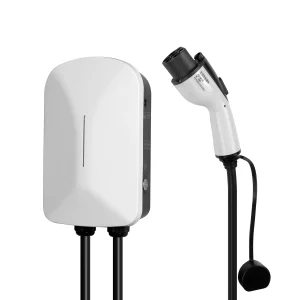
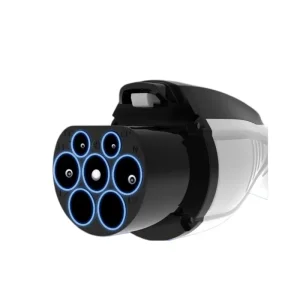
For private residential projects and municipal developments in downtown Banfora, our Type 2 AC wallboxes support smart scheduling. Users can prioritize charging during high solar production hours (10:00 - 15:00) or low-tariff night hours. With the dual-core protection architecture, home charging is safeguarded against sudden voltage spikes, offering an optimized charging experience at a fraction of the cost of combustion fuels.
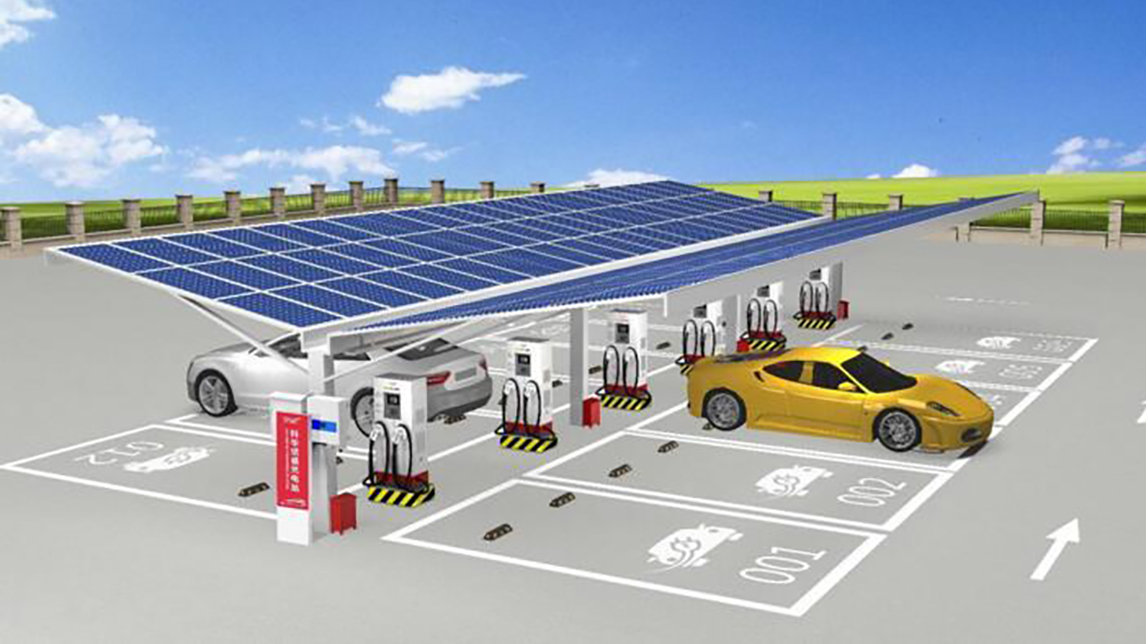
This system links high-efficiency PV arrays with centralized battery storage banks, using bidirectional hybrid inverters. During high-solar production hours, energy is directed first to connected EVs. Any surplus charges the battery bank. If solar generation drops, the system seamlessly draws power from the batteries. This reduces high demand spikes and peak utility charges, while maintaining stable charging speeds for users.
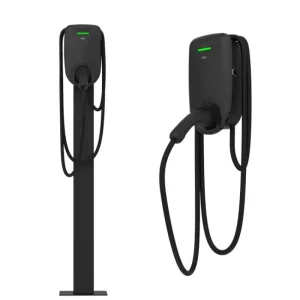
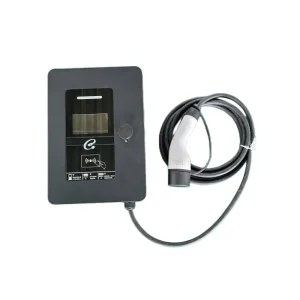
Complete EVSE line-up supporting IEC/CE standard certifications for global and local compliance
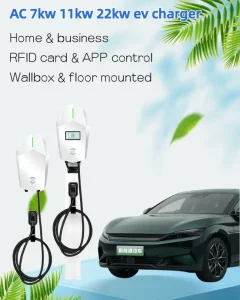
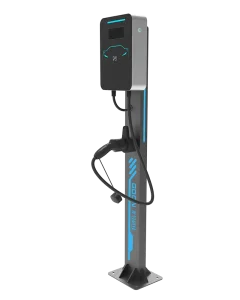
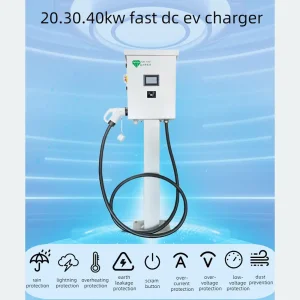
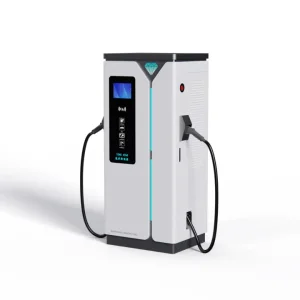
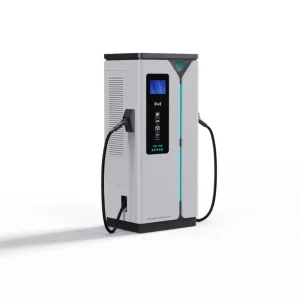
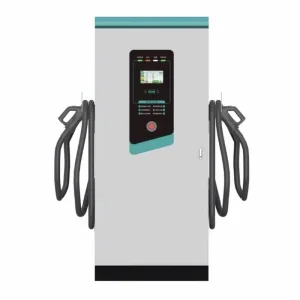
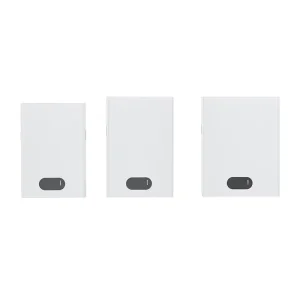

Engineering parameters strictly aligned with SONABEL guidelines and IEC global safety protocols
For commercial operators in Banfora, grid synchronization is a key engineering concern. The local grid's frequent voltage drops can harm power electronics inside EV chargers. Our system addresses this with built-in protections, including over-voltage, under-voltage, ground-fault, and lightning protection (Type 2 SPD). This setup shields sensitive circuit boards from local electrical shocks.
In addition, our hardware features military-grade internal cooling and thermal barriers. While typical commercial chargers downrate their power output at ambient temperatures above 40°C, Tongxing’s intelligent active cooling design maintains full power output up to 50°C. Internal sensors monitor heat levels, dynamically adjusting internal cooling fans to maintain efficiency and reliability.
| Electrical Parameter | Standard Specification | Protection & Operational Benefit |
|---|---|---|
| Input Voltage Parameters | 230V AC (Single Phase) / 380V-400V AC (Three Phase) ± 20% | Protects internal components from local grid fluctuations |
| Enclosure Safety Rating | IP55 & IP65 Certified | Complete protection against fine Sahara dust and seasonal rains |
| Built-in Safety Sensors | Dual-Core Thermal Protection & Type B RCD Leakage Protection | Automated shutoff in case of leakage, preventing user injury |
| Power Conversion Efficiency | ≥ 95% (AC Charging) / ≥ 96% (DC Charging) | Reduces energy losses and keeps operational costs low |
Where high-voltage batteries, local microgrids, and green energy management converge
The global EV industry is moving quickly toward 800V charging architectures and Vehicle-to-Everything (V2X) communication. For Banfora and the wider West African region, this tech evolution offers a unique opportunity to build a modern, decentralized charging network from scratch, bypassing legacy grid systems.
Tongxing's R&D roadmap focuses on improving microgrid integration. Future systems will feature AI-driven load management, which uses local weather forecasts to predict solar output and adjust charging rates. In addition, our upcoming products will support Vehicle-to-Grid (V2G) systems, allowing parked EV fleets to feed power back into corporate facilities during peak periods, enhancing regional energy resilience.
Expert engineering insights on planning, installing, and managing local charging networks
 Tongxing