 Tongxing
I. The South African Energy Paradigm: Navigating Load Shedding with Battery Storage
South Africa is currently undergoing its most significant energy transformation in a century. The national grid, managed by Eskom, has faced systemic challenges leading to persistent load shedding, ranging from Stage 1 to Stage 6 and beyond. This "New Normal" has shifted the search intent of South African businesses and homeowners from "luxury backup" to "essential energy survival."
Local Business & Industrial Landscape
In industrial hubs like Johannesburg, Durban, and Cape Town, the cost of power outages is measured in billions of Rands. For a South African manufacturer, a 2-hour outage doesn't just mean 2 hours of lost production; it means equipment recalibration, material wastage, and delivery delays. Energy Storage Systems (ESS) have become the "silent heartbeat" of the SA economy, allowing mines in the North West and wineries in the Western Cape to operate independently of grid instability.
As a leading Energy Storage Battery Supplier and Factory, we recognize that the South African market requires batteries with high thermal stability and deep cycle capabilities (DOD). The local climate, varying from the humid sub-tropics of KwaZulu-Natal to the dry heat of the Karoo, demands sophisticated Battery Management Systems (BMS) that can protect cells from premature degradation.
II. Global Energy Storage Outlook: LFP Dominance and Beyond
Globally, the shift from lead-acid and Nickel-Manganese-Cobalt (NMC) to Lithium Iron Phosphate (LiFePO4/LFP) is nearly complete for stationary storage. The reasons are clear: safety, longevity, and ethical sourcing. Our factories utilize high-grade A-level LFP cells that offer over 6,000 cycles, ensuring a lifespan of 10-15 years even with daily heavy discharging.
III. Future Industry Trends: Smart Grids and Virtual Power Plants (VPP)
The next decade of energy storage is not just about "hardware" but about "intelligence." In South Africa, the emergence of Virtual Power Plants (VPP) is on the horizon. This allows a cluster of residential Powerwalls to act as a single utility-scale battery, selling power back to the grid or stabilizing local distribution networks during peak demand.
- AI-Driven Energy Dispatch: Predictive algorithms that forecast load shedding schedules and optimize charging/discharging cycles.
- High-Voltage Architecture: Moving from 48V to 400V+ systems for commercial applications to reduce cable losses and improve conversion efficiency.
- Second-Life Batteries: Exploring the repurposing of EV batteries for stationary storage, though South Africa's demand for high-reliability makes "new-cell" LFP the preferred choice currently.
IV. Localized Application Scenarios in South Africa
Residential Energy Independence
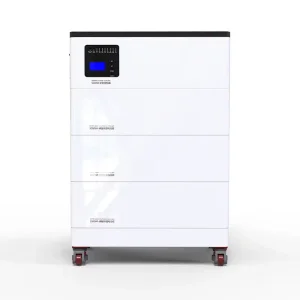
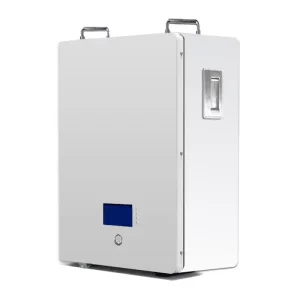
For South African households, the 10kWh Powerwall system is the gold standard. It integrates seamlessly with rooftop solar, ensuring that even during Stage 6 load shedding, the family remains powered—lighting, security systems, and high-speed internet continue without interruption.
Commercial & Industrial (C&I) Resilience
Shopping malls in Sandton and logistics warehouses in Midrand are deploying containerized 500kWh to 2MWh ESS solutions. These systems provide "Peak Shaving," reducing expensive maximum demand charges from municipalities, while providing a seamless transition when the grid fails.
Agriculture & Mining
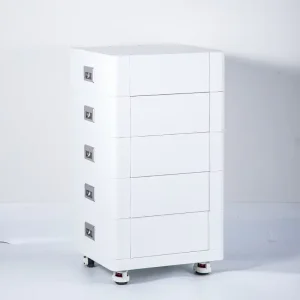
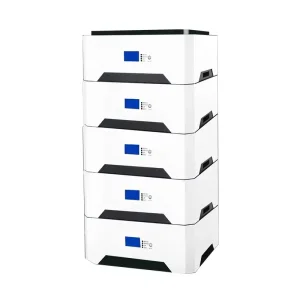
Remote farming operations and mining sites in the Limpopo province use our High-Voltage Stacked Battery systems. Combined with solar, these microgrids eliminate the reliance on diesel generators, reducing operational costs by up to 60%.
V. Technical Roadmap: Ensuring Reliable Storage for SA
Our R&D team focuses on three pillars of technological superiority for the South African market:
| Technical Feature | Specification | South Africa Value Add |
|---|---|---|
| BMS Communication | RS485, CAN, RS232 | Compatible with Victron, Growatt, Deye inverters (Most popular in SA) |
| Thermal Management | Active Cooling / Passive Heat Dissipation | Prevents overheating in high-temp regions (e.g., Upington) |
| Modular Expandability | Parallel up to 15-30 units | Allows businesses to start small and expand as load shedding worsens |
| Safety Standards | IEC 62619, CE, UN38.3 | Guarantees insurance compliance for local commercial properties |
VI. Tongxing New Energy: Your Strategic Partner
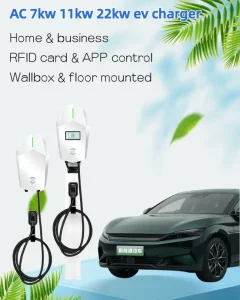
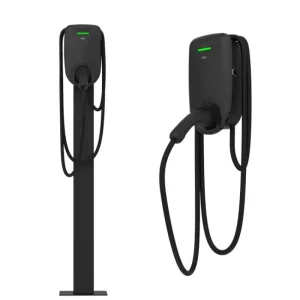
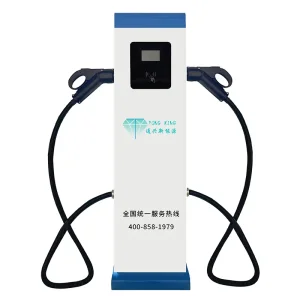
With a 72,000m² intelligent production base and 18 automated lines, Tongxing is more than just a factory—we are a solutions provider. We understand that a battery is part of an ecosystem. Our Integrated Photovoltaic-Energy Storage-Charging Hubs represent the pinnacle of current energy technology.
For South African B2B clients, we offer Custom Branding (OEM) and a 24-month comprehensive warranty backed by lifetime technical support. Our products are engineered to survive -35°C to 75°C, ensuring durability in any South African environment.