Engineered with high cycle life, smart BMS configurations, and advanced thermal management to withstand the harshest desert climates.
Namibia is poised at a critical juncture in its energy development strategy. With one of the world's highest levels of solar irradiance (surpassing 3,000 hours of sunlight annually), the country is structurally primed for solar energy generation. However, the domestic grid managed by NamPower has historically faced massive stability hurdles, relying on cross-border electricity imports from neighboring South African countries—mainly through the Southern African Power Pool (SAPP). In the face of load shedding issues from Eskom and local distribution failures, localized and utility-scale energy storage systems (BESS) are no longer a luxury but an existential infrastructure requirement.
Namibia’s Harambee Prosperity Plan II and the National Renewable Energy Policy actively prioritize independent power generation. High-capacity battery systems serve as the ultimate link, converting intermittent solar energy into reliable, dispatchable power for critical industrial complexes, mining fields in Erongo, and agricultural farms throughout the central and northern regions.
The international energy transition landscape has shifted decisively from legacy Lead-Acid and Nickel-Metal Hydride configurations towards advanced Lithium Iron Phosphate (LFP) systems. LFP battery technologies offer critical advantages crucial to the Sub-Saharan African environment:
Globally, procurement managers are transitioning away from high-carbon backup diesel generators towards hybrid solar-plus-storage topologies. This evolution is driven by both ESG compliance regulations and the soaring costs of fossil fuels throughout Africa.
China continues to serve as the global epicenter for BESS supply chains, manufacturing over 75% of the world’s lithium-ion batteries. Tongxing New Energy Technology Co., Ltd. exemplifies this competitive edge by combining technological innovation with high manufacturing efficiencies.
| Operational Dimension | Chinese Tier-1 Manufacturers (e.g., Tongxing) | Traditional Regional Assemblies |
|---|---|---|
| Production Automation | 95% automated robotic lines; IoT quality control tracking | Semi-automated or manual pack configuration assembly |
| Raw Material Sourcing | Direct lithium mine supply lines; bulk scale purchasing power | Sub-contracted component logistics resulting in 30%+ cost markups |
| Testing & Compliance | IEC 62619, CE, UN38.3, UL1973 certified facilities | Localized standard testing without global grid certification |
| R&D Integration | Custom high-voltage BMS and thermal management development | Off-the-shelf third-party system components usage |
Our intelligent factory encompasses a 72,000m² manufacturing base with 18 automated production lines. Operating directly in China allows us to source high-grade cathode materials, customize complex Battery Management Systems (BMS), and deliver units to the Port of Walvis Bay at optimized price points that traditional European and American suppliers cannot match.
A National High-Tech Enterprise Pioneering Smart Charging & Utility-Scale Battery Storage Solutions
IP55/IP65 ingress protection rating coupled with thermal runaway prevention mechanisms guarantees flawless operations at ambient temperatures up to 75°C.
Full compliance with OCPP 1.6J/2.0 protocols allows real-time telemetry, remote cloud monitoring, and seamless load shifting configuration with commercial PV arrays.
Dual-core redundancy and scalable BMS enable quick charge and discharge currents, designed to power heavy machineries in the Namibian mining sector.
Addressing specific infrastructure challenges from urban centers to remote off-grid operations.
Namibia’s critical mining industry (Uranium extraction in Swakopmund, Diamond mining in Karas) requires constant high-voltage power. Our high-voltage stacked containerized systems act as primary backups during NamPower network grid drops, protecting processing equipment and preventing costly production stops.
Ecotourism projects in Etosha and Sossusvlei require noiseless, carbon-free power generators. Modern solar storage battery setups offer silent, reliable 24/7 electricity, removing the need for polluting diesel systems, and boosting green lodge ratings.
Large commercial spaces in Windhoek and agricultural irrigation systems in the Otjozondjupa region use BESS to store low-cost off-peak solar power. They deploy this energy during high-tariff peak slots, reducing monthly bills by up to 40%.
Coordinated energy infrastructure designed to maximize performance and efficiency.
| Parameter Indicators | Traditional Grid Alone | Tongxing Integrated Solar-Storage-EV Charging Solution | Efficiency & Cost Improvements |
|---|---|---|---|
| Solar Consumption Rate | Approx. 50% without battery | 85%+ with LFP storage | ↑ 70% Efficiency |
| Energy Operational Cost | 0.85 USD / kWh average | 0.62 USD / kWh system average | ↓ 27% Savings |
| Backup Power Supply Duration | Zero / Depends on diesel generator | Up to 72 hours continuous standby power | High operational resilience |
| Annual CO2 Emissions Offset | Standard grid carbon levels | 40% to 60% emission cuts | Enhanced carbon credit returns |
Our engineering team provides comprehensive modeling based on your localized grid tariffs, historical load data, and environmental factors. Get direct pricing on customized containerized BESS setups shipped directly to Swakopmund or Walvis Bay.
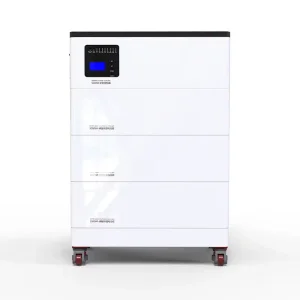
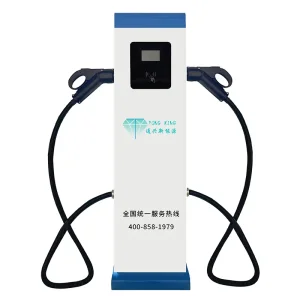
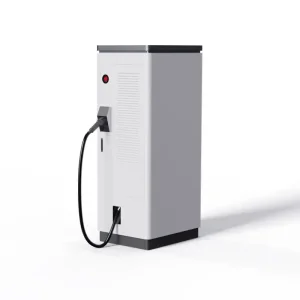
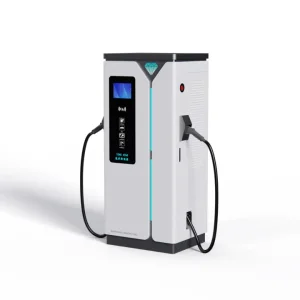
Request a Custom Engineering DesignExplore our certified products ranging from residential storage batteries to high-power EV charging infrastructure.
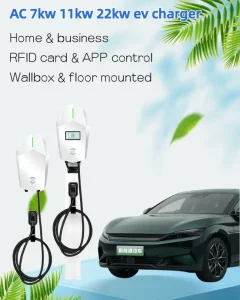
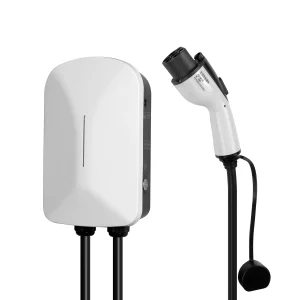
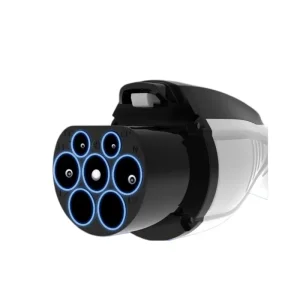
Crucial procurement insights regarding shipping, specifications, and regional installations in Namibia.
 Tongxing