 Tongxing
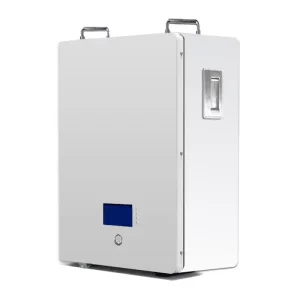
The Strategic Evolution of Energy Storage in Rome: An Industrial Perspective
As Italy accelerates its National Integrated Plan for Energy and Climate (PNIEC), Rome has emerged as a critical hub for renewable energy adoption. The "Eternal City" is currently navigating a complex transition from traditional grid reliance to decentralized energy ecosystems. For local Rome-based businesses and industrial complexes, Energy Storage Systems (ESS) are no longer a luxury—they are a strategic necessity for operational resilience and cost optimization.
Rome's Local Commercial & Industrial Context
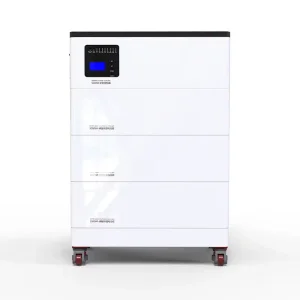
In the Lazio region, electricity price volatility has historically impacted the competitiveness of SMEs (Small and Medium Enterprises). With the introduction of the European Green Deal, Roman industrial zones such as the Tiburtina and Pomezia corridors are increasingly adopting large-scale LiFePO4 (Lithium Iron Phosphate) storage to manage peak demand charges. Our factory solutions are specifically designed to meet the strict Italian Fire Brigade (Vigili del Fuoco) safety certifications required for indoor industrial installations in historic urban environments.
Macro-Industry Trends: Why Rome is Choosing LiFePO4
Global energy trends indicate a shift towards Long-Duration Energy Storage (LDES). Our Rome-targeted product line leverages high-density LiFePO4 chemistry, which offers a cycle life exceeding 6,000 charges at 80% Depth of Discharge (DOD). This technological choice directly addresses Rome's high-temperature summers, where thermal stability is paramount for battery longevity and safety.