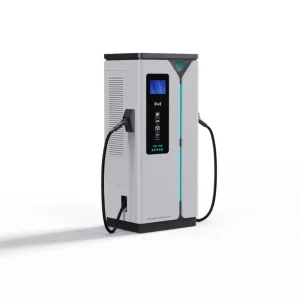
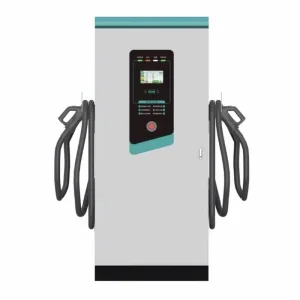
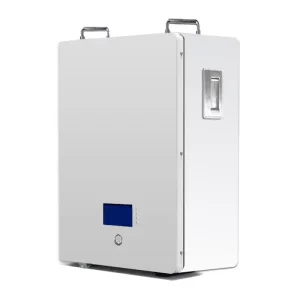
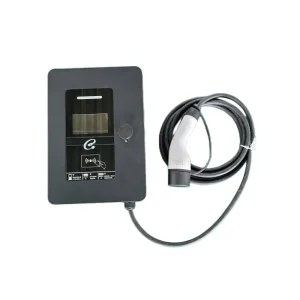
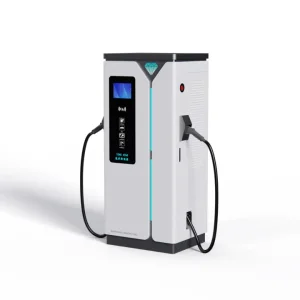
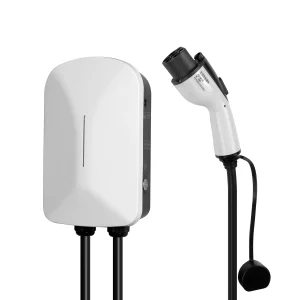
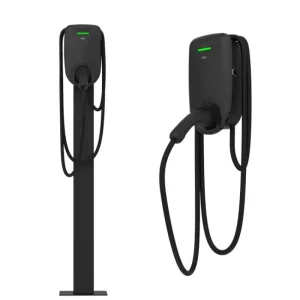
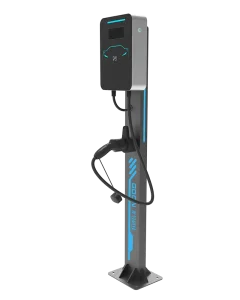
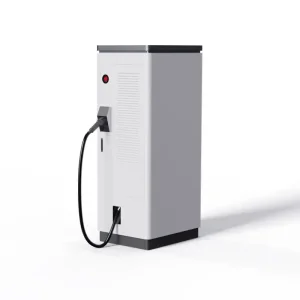
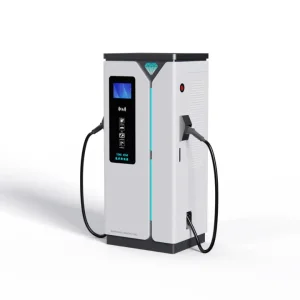
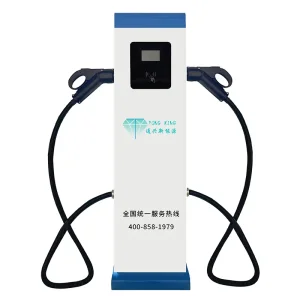
Explore our leading selection of engineered fast-charging modules and battery storage solutions ready for B2B deployment.
Strategic analysis of why the 150kW node has emerged as the definitive inflection point for sustainable electric mobility investments worldwide.
As the international transition towards battery electric vehicles (BEVs) accelerates, commercial and industrial stakeholders face a critical choice in charging infrastructure. While early deployments relied heavily on low-power AC systems or excessively high 350kW+ liquid-cooled setups, the 150kW DC fast charger has solidified its position as the optimal balance between capital expenditure (CAPEX), grid impact, and throughput efficiency.
In Europe, the Alternative Fuels Infrastructure Regulation (AFIR) mandates high-power charging pools along major highways, highlighting 150kW as the foundational baseline. Simultaneously, in the United States, the National Electric Vehicle Infrastructure (NEVI) formula program requires key corridor networks to deploy DC chargers that can dynamically deliver at least 150kW per port. This global legislative consensus proves that 150kW capability is no longer an option—it is the baseline infrastructure requirement for commercial vehicles, heavy fleets, and public transport hubs.
Deploying a 150kW DC charger ensures that modern EVs, which typically support charging architectures between 400V and 800V, can replenish up to 80% of their battery capacity within 20 to 30 minutes. This turnaround time matches the natural pause cycle of logistics operators, retail shoppers, and highway travelers, yielding the highest yield-per-plug index compared to slower alternatives.
150kW chargers occupy the optimal cost-to-performance zone. By utilizing high-efficiency air-cooling instead of costly liquid-cooling systems, fleet operators reduce upfront component costs by up to 45% while keeping annual maintenance overhead low.
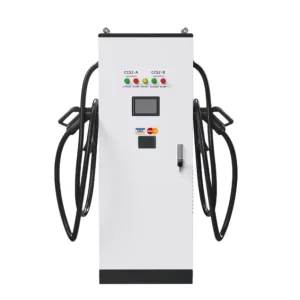
With dual-gun configuration and smart load balancing, a single 150kW cabinet can serve two vehicles simultaneously at 75kW each, doubling vehicle throughput without requiring expensive distribution transformer upgrades.
Combining 23 years of energy sector R&D with advanced IoT automation to output world-class charging products.
TONGXING NEW ENERGY operates a state-of-the-art 72,000m² facility. Equipped with 18 automated assembly lines and IoT-enabled quality control systems, we achieve a 95% production automation rate, drastically minimizing human error in precision assembly.
Our workforce features deep technical specialization. Over 140+ certified engineers handle technical operations, while a specialized R&D innovation division of 20+ experts focuses on power electronics, and a 40-member ISO-9001 audit team manages strict quality assurance.
We exercise complete design control over both hardware and software. This includes circuit topology optimization, robust thermal management systems, EMI/EMC compliance engineering, OCPP 1.6J/2.0 protocol development, and custom energy dispatch algorithms.
We hold 12 utility model patents in charging connectivity. From 2021 to 2023, our engineering team delivered a 78% year-on-year reduction in standby power consumption. Additionally, we integrate a proprietary dual-core redundancy protection system in our high-power stations.
Our stations are engineered with military-grade components. Certified with IP55 and IP65 protection, they maintain stable power output in extreme temperatures ranging from -35°C to 75°C, featuring reinforced waterproof and dustproof structural defenses.
Proprietary OCPP 2.0-compliant firmware allows seamless third-party payment gateway integration. In addition, real-time energy allocation routines balance incoming solar power from local PV systems to optimize localized EV charging.
Analysing the structural, supply-chain, and technological dynamics that provide localized cost and quality advantages.
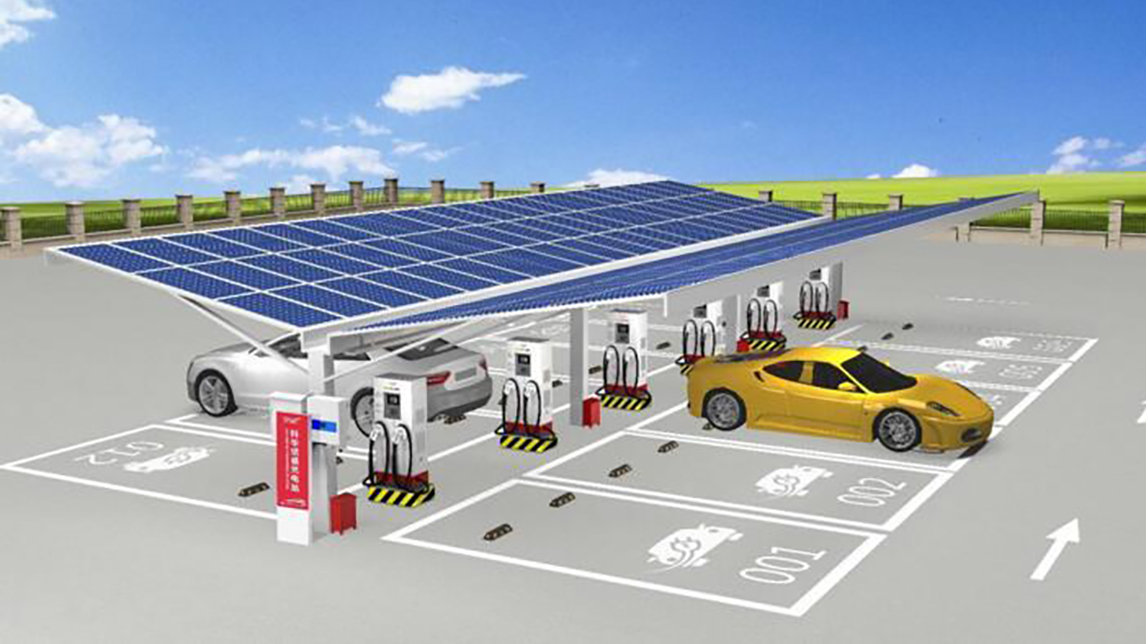
China's dominance in EV charging hardware stems from a highly integrated, localized supply chain ecosystem. In regions like Shenzhen, Jiangsu, and Zhejiang, all critical components—from high-power Silicon Carbide (SiC) MOSFETs, high-frequency transformers, and copper busbars to external sheet metal and control PCBs—are manufactured within a 50-kilometer radius. This industrial clustering lowers material transportation costs and drastically reduces lead times for global projects.
Furthermore, Chinese manufacturers leverage deep expertise in large-scale lithium battery production and PV inverter manufacturing. The cross-pollination of these technologies enables advanced product designs. For instance, Tongxing applies inverter thermal management techniques directly to the cooling systems of our 150kW DC chargers, maximizing heat dissipation and extending component lifespans by up to 30% compared to typical standards.
Ultimately, these supply chain efficiencies translate directly into lower CAPEX for global buyers, allowing them to procure premium-grade equipment with superior technical features at highly competitive prices.
Optimizing local power grids, lowering utility costs, and enabling sustainable, zero-emission transportation infrastructure.
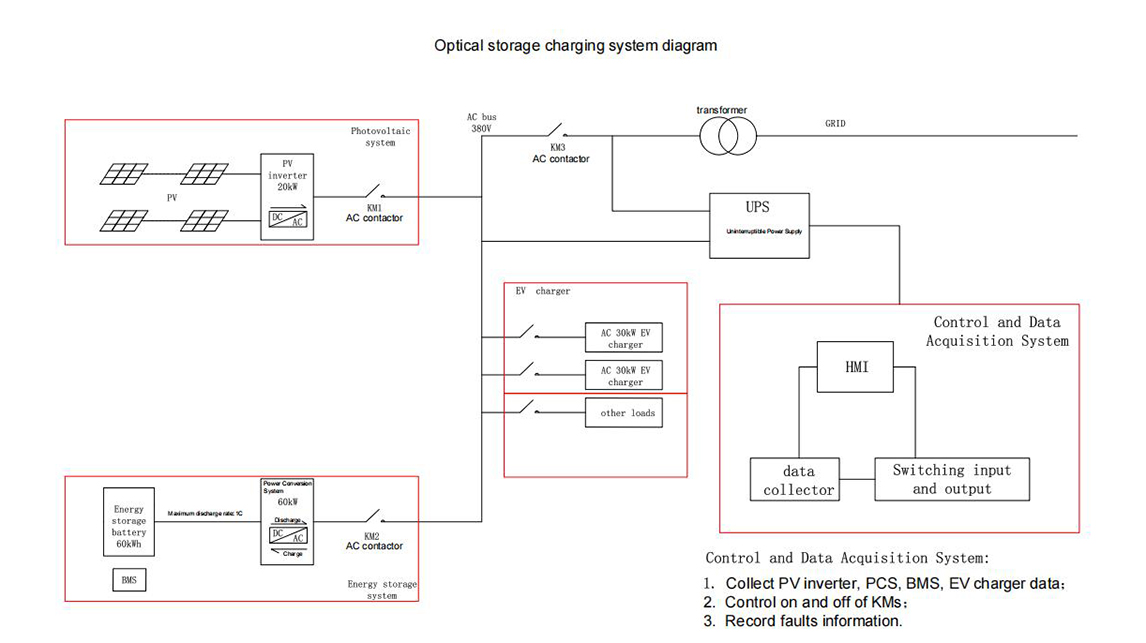
High-power charging stations put substantial stress on local power grids. To prevent expensive grid upgrade charges, TONGXING NEW ENERGY designs integrated Photovoltaic-Energy Storage-EV Charging (PV-ES-EV) ecosystems structured into three distinct layers:
1. Power Generation Layer: High-efficiency monocrystalline solar panels with ≥22.5% conversion efficiency generate renewable electricity on-site. This offset covers between 30% and 50% of the charging station's daily energy demand.
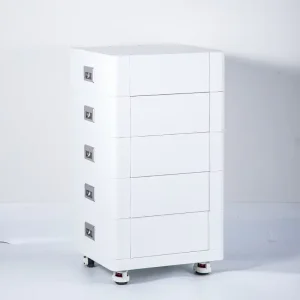
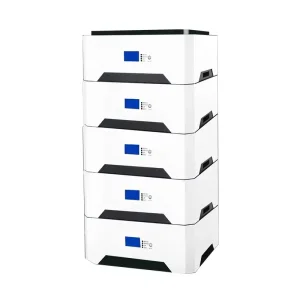
2. Energy Storage Layer: Modular lithium energy storage cabinets (100kWh to 10MWh) use cascaded cells to deliver ≥6,000 charge cycles (at 80% Depth of Discharge). These batteries store excess solar energy and low-cost off-peak power from the grid.
3. Application Layer: Intelligent software directs on-site solar and battery power to vehicle chargers and facility loads during peak periods. This system reduces grid electricity costs by up to 27% and provides back-up power during outages.
| Performance Indicator | Traditional Charging Station Grid Model | Tongxing Integrated PV-ES-EV Solution | Overall Site Improvement |
|---|---|---|---|
| PV Self-Consumption Rate | 50% (Standard Grid Feed-in) | 85%+ (Optimized local storage direction) | ↑ 70% increase in local use |
| Comprehensive Electricity Cost | 0.85 USD / kWh (Average standard commercial tariff) | 0.62 USD / kWh (Blended PV + stored power) | ↓ 27% reduction in energy spend |
| Annual Carbon Footprint Reduction | Baseline local grid carbon footprint | 40% - 60% carbon footprint reduction | Significant progress toward ISO 14064 goals |
How high-power charging platforms are deployed across municipal, industrial, and rural environments.
In retail malls, public parking structures, and business parks, 150kW chargers serve as premium amenities that draw high-value EV drivers. Utilizing smart load balancing and dynamic pricing, site operators can capture vehicle charging revenue while shoppers visit nearby establishments.
For last-mile delivery vans and municipal bus fleets, charging speed determines operational readiness. Deploying 150kW DC chargers allows fleets to recharge during shift changes or scheduled driver breaks. Dual-gun systems charge two vehicles at 75kW simultaneously overnight, maximizing depot uptime.
In off-grid mining projects, remote campsites, or rural zones with weak local grids, our chargers connect directly to isolated microgrids. These off-grid stations utilize local solar panels and heavy-duty battery storage cabinets to provide dependable fast charging without requiring grid connections.
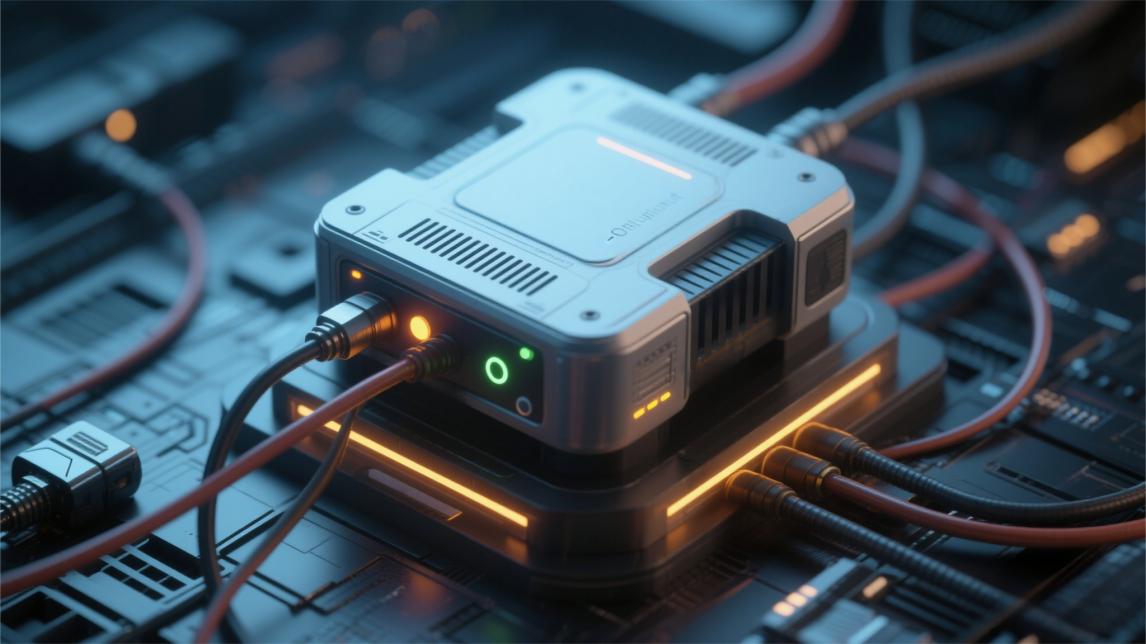
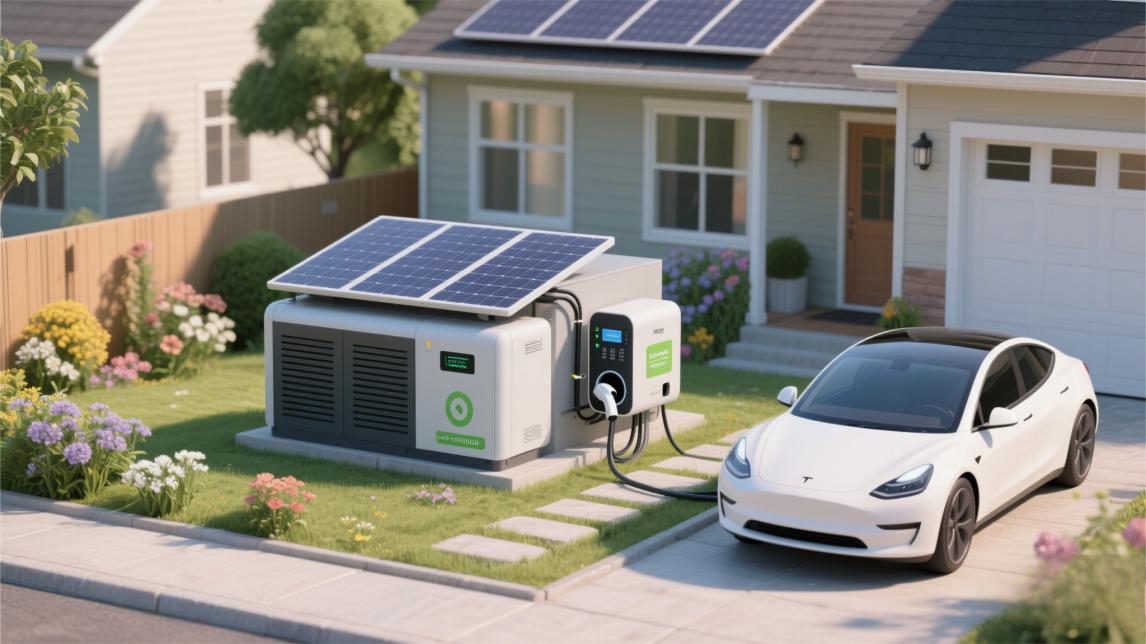
Mitigating grid instability, resolving solar generation curtailment, and maximizing plant revenue streams.
Integrating large-scale utility solar installations with high-power EV charging infrastructure presents complex grid synchronization challenges. Tongxing's Energy Storage Coordination systems address these issues directly, providing grid stabilization and new revenue streams for developers.
Our solutions respond to grid fluctuations within milliseconds, limiting power output volatility to under 5% (well below the common 20% national grid standard). This control allows developers to avoid power curtailment penalties and maintain steady grid connections.
Furthermore, our setups enable Virtual Power Plant (VPP) participation. Operators can aggregate local energy storage systems to help balance the regional grid, earning additional revenue through frequency regulation and capacity markets.
• Millisecond-level dispatch times (≤10ms) allow instant response to utility signals.
• Advanced energy storage cells support ≥6,000 cycles (at 80% Depth of Discharge).
• Coordinated management software yields ≥96% round-trip system efficiency.
| Technical Parameter | Tongxing Specification Standard | Industry Average Performance | Advantage Analysis |
|---|---|---|---|
| Response Time | ≤10 milliseconds | ≤50 milliseconds | Faster stabilization prevents grid disconnection risks |
| Cycle Life (80% DOD) | ≥6,000 cycles | ≤3,000 cycles | Doubles operational life, lowering amortization costs |
| Round-trip System Efficiency | ≥96% | ≤93% | Reduces thermal losses, conserving energy across operations |
| PV Scale Compatibility | Distributed (50kW-5MW) / Centralized (10MW+) | Standardized, fixed architectures | Adapts easily to small local sites and large utility plants |
Navigating compliance standards and certifications for high-power DC fast charger deployment.
For international procurement managers, complying with local electrical codes and grid regulations is essential. A 150kW fast charger must meet rigorous certification standards to ensure safe operation and smooth installation on commercial properties.
In Europe, equipment must carry the CE mark and meet IEC 61851 standards for electric vehicle conductive charging systems. In the Americas, UL 2202 and UL 2231 standards govern safety requirements for DC charging equipment. Additionally, interoperability standards like DIN 70121 and ISO 15118 (enabling features like Plug & Charge) are crucial for ensuring seamless connection between chargers and all major vehicle brands.
Tongxing structures its product lines to meet these requirements. Working with international testing organizations like TÜV, we verify that our charging stations comply with all regional grid codes, electromagnetic compatibility (EMC) standards, and safety regulations.
✔ Certifications: Verify CE, TÜV, or UL listings based on local jurisdiction requirements.
✔ Communication Protocols: Confirm OCPP 1.6J or OCPP 2.0.1 compliance to ensure compatibility with your network backend.
✔ Cabinet Enclosure: Verify IP54/IP55 ratings for outdoor weather resistance and durability.
✔ Thermal Management: Look for smart air-cooling systems that maintain optimal operating temperatures under heavy use.
Addressing technical, economic, and logistical questions about 150kW DC fast charging systems.
A1: 150kW chargers strike an excellent balance between installation costs and charging speed. They do not require expensive liquid-cooled cables or massive substation upgrades, keeping hardware and installation costs low. At the same time, they deliver high-power charging that can replenish most EV batteries to 80% in 20 to 30 minutes, meeting the needs of commercial drivers and fleet operators.
A2: Our dual-gun chargers utilize dynamic power distribution algorithms. When a single vehicle connects, the station can deliver its full 150kW capacity. If a second vehicle plugs in, the charger automatically balances the load, delivering 75kW to each port or dividing power based on each vehicle's real-time battery state of charge (SoC) and capability.
A3: Integrating energy storage allows operators to store electricity during off-peak hours (when utility rates are lowest) and discharge it during peak periods. This "peak shaving" reduces demand charges from the utility, lowers overall electricity costs, and ensures the station can continue charging vehicles even during grid outages.
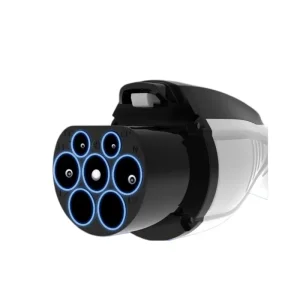
A4: Yes, our chargers support major international standards including CCS1, CCS2, and GB/T. They are fully compatible with mainstream electric vehicle brands such as Tesla, BYD, BMW, Hyundai, and commercial electric delivery vehicles, ensuring broad compatibility for public and private fleets.
A5: Our chargers are engineered with high-grade components and IP55/IP65-rated enclosures. They are designed to operate reliably in temperatures ranging from -35°C to 75°C, and feature built-in protection against heavy rain, dust, and coastal humidity.
Browse our complete range of certified DC fast chargers, wallboxes, and energy storage batteries.
 Tongxing