The global transition toward sustainable mobility is no longer a peripheral trend but a core industrial imperative. As governments in the EU and North America aggressively mandate the phase-out of internal combustion engines, the demand for robust, high-performance Electric Vehicle Supply Equipment (EVSE) has reached an inflection point. In this ecosystem, a China car charger EV supplier represents more than just a source of hardware; they are the architects of the integrated power grid of the future.
China's dominance in the EV charger sector is built upon two decades of vertical integration. Unlike regional assembly shops, Chinese factories benefit from a comprehensive local supply chain—ranging from rare-earth magnets for power modules to advanced semiconductor fabrication for OCPP-compliant control boards. This allows for an unparalleled Information Gain in technical execution, providing global buyers with superior performance metrics at a competitive Total Cost of Ownership (TCO).
Current industrial trends are shifting from simple "plug-and-charge" models to Smart Energy Dispatch systems. This includes the widespread adoption of 800V architecture for ultra-fast charging and the integration of V2G (Vehicle-to-Grid) technologies, enabling EVs to function as mobile energy storage units that stabilize urban grids during peak demand.
Operating 18 automated production lines with IoT-enabled quality control, ensuring 95% automation and zero-defect output for global export.
A multi-disciplinary team focusing on power electronics, thermal management, and OCPP 2.0.1 protocol development for seamless software integration.
Our IP55/IP65 certified systems are engineered for the harshest climates, from -35°C in Nordic winters to 75°C in Middle Eastern heat.
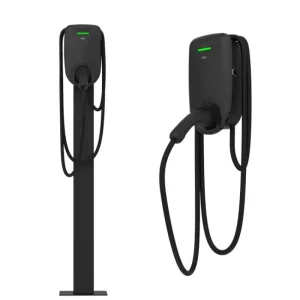
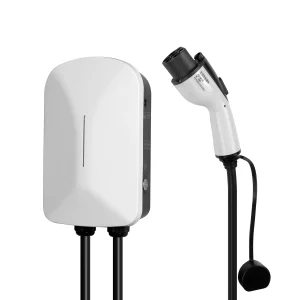
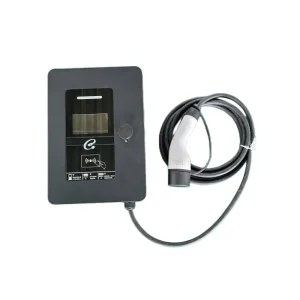
Smart 7kW-22kW wallboxes featuring App-based scheduling and DLB (Dynamic Load Balancing) to protect home circuits while utilizing off-peak tariffs.
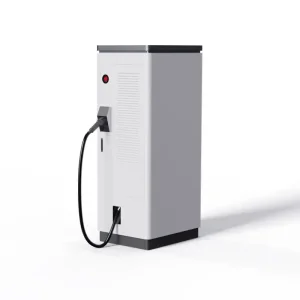
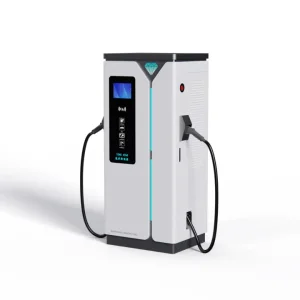
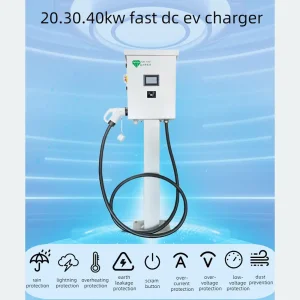
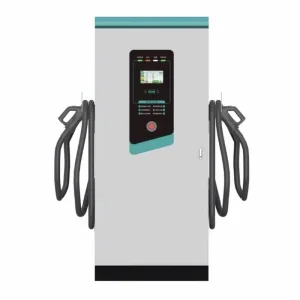
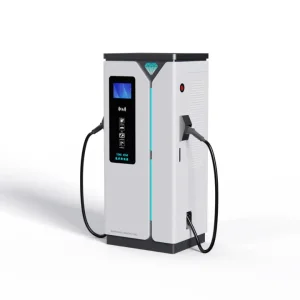
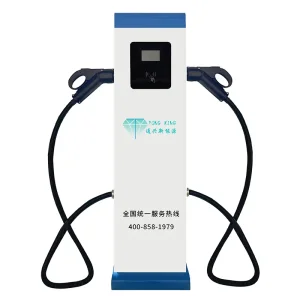
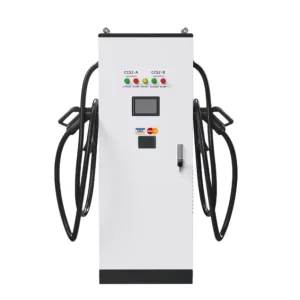
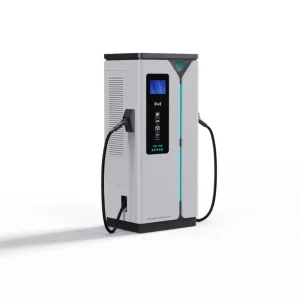
High-duty 120kW-240kW DC chargers designed for logistics hubs. Integrated payment gateways and remote CMS (Central Management Systems).
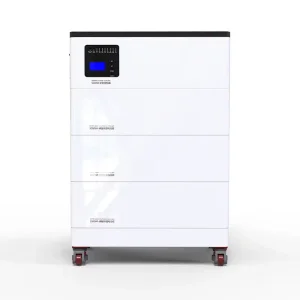
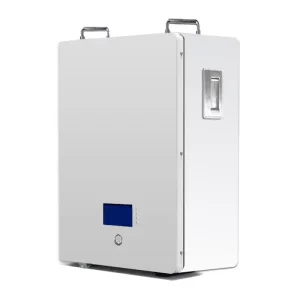
Photovoltaic-Energy Storage-Charging (PV-ESS-EV) integration, reducing grid dependence by 40% through intelligent solar self-consumption.
| Indicator | Traditional Charging Station | Tongxing Integrated Solution | Performance Gain |
|---|---|---|---|
| PV Self-Consumption Rate | 50% | 85%+ | ↑ 70% |
| Comprehensive Electricity Cost | 0.85 USD/kWh | 0.62 USD/kWh | ↓ 27% |
| System Efficiency | 93% | 96%+ | ↑ Industry Best |
| Response Time | ≤ 50ms | ≤ 10ms | Ultra-Stable Grid |
When selecting a China car charger EV supplier, global procurement officers must look beyond the unit price. A high-E-E-A-T partner provides several critical "hidden" values:
A: The core advantage lies in the scale of the supply chain and rapid R&D iteration. China currently possesses over 60% of the world's EVSE patents, leading to products that are more feature-rich (APP control, DLB, multi-protocol support) and cost-efficient than Western counterparts.
A: We offer off-grid standalone solutions combining solar arrays with LiFePO4 energy storage. Our chargers feature millisecond-level response times to smooth voltage fluctuations and protect vehicle batteries.
A: Yes, our equipment is fully OCPP 1.6J/2.0.1 compliant and has been pre-tested with major global charging networks like ChargePoint, Shell Recharge, and Enel X, ensuring "plug-and-play" backend integration.
A: Depending on local electricity tariffs and subsidies, the average payback period is 3.8 to 5 years. By shaving peak load and selling surplus energy back to the grid (where permitted), revenue can be increased by 30-40% compared to standard stations.
 Tongxing