Decoding the Technological Evolution and Global Supply Chain Dynamics
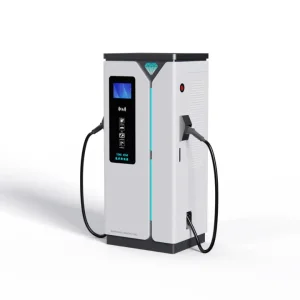
The transition from 400V to 800V systems is redefining charging ports. China factories are now leading the mass production of liquid-cooled charging cables and high-voltage connectors capable of delivering 480kW+ power.
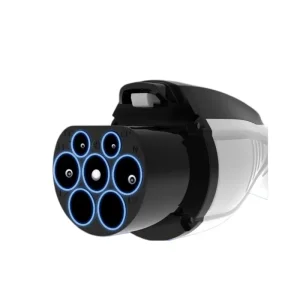
Standardization across CCS1, CCS2, GB/T, and NACS (Tesla standard) is critical. Top-tier manufacturers provide modular port designs that allow for easy hardware swaps depending on the regional target market.
Semantic search for "smart charging" highlights a demand for Dynamic Load Balancing (DLB). Our systems use real-time data to prevent grid overload while prioritizing fleet vehicles during peak hours.
As charging ports become IoT nodes, cybersecurity is paramount. Compliance with ISO 15118 and OCPP 2.0.1 ensures encrypted communication between the vehicle, charger, and the cloud.
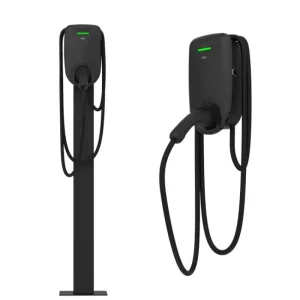
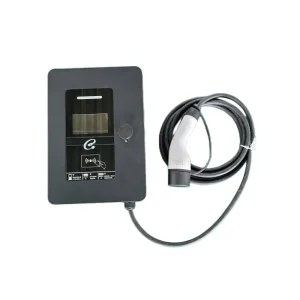
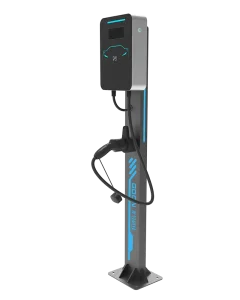
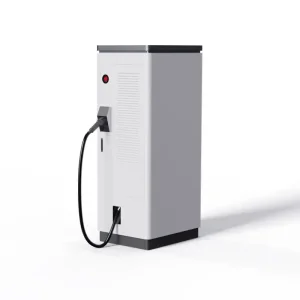
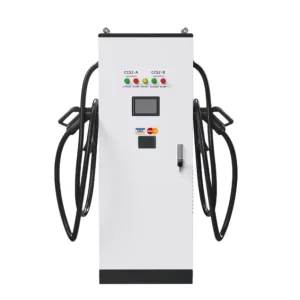
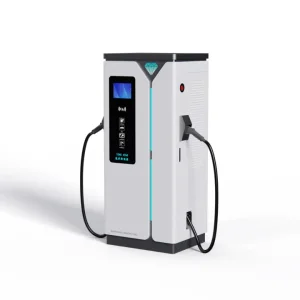
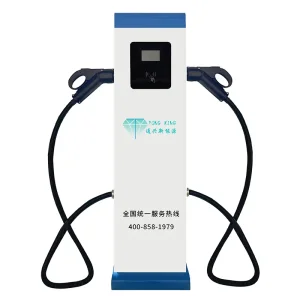
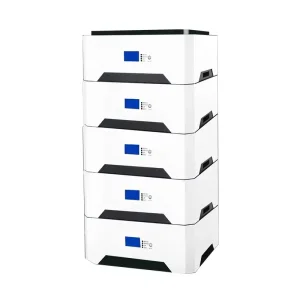
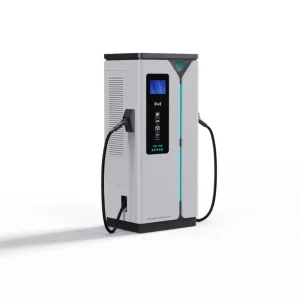
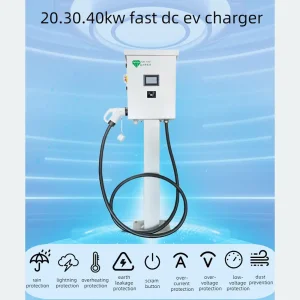
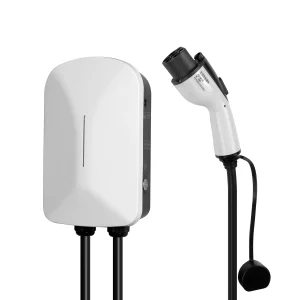
As a certified national high-tech enterprise with 23 years of expertise in the energy sector, Tongxing specializes in R&D, production, and global distribution of innovative EV charging systems. Our comprehensive product portfolio spans from 3.5KW residential chargers to industrial-grade 960KW ultra-fast charging stations, complemented by integrated photovoltaic (PV) and energy storage solutions.
Navigating international standards for seamless infrastructure deployment.
We provide comprehensive localized support including grid connection assistance, TUV/CE/UL certification documentation, and multi-language technical manuals for seamless integration into local markets.
Leveraging China's mature EV ecosystem, we guarantee stable lead times even for large-scale infrastructure projects, with a 98.6% on-time delivery rate in 2023.
From custom branding on the UI to proprietary enclosure designs, our R&D team works with B2B clients to create market-ready solutions that reflect their brand identity.
| Compliance Standard | Market Region | Key Technical Requirement |
|---|---|---|
| IEC 61851-1 | Europe / Global | General requirements for EV conductive charging systems. |
| UL 2594 | North America | Safety standards for EV Supply Equipment (EVSE). |
| GB/T 20234 | China | Connection set for conductive charging of electric vehicles. |
| OCPP 1.6J / 2.0.1 | Software Integration | Open protocol for communication between charging station and central system. |
Building Low-Carbon Transportation Infrastructure
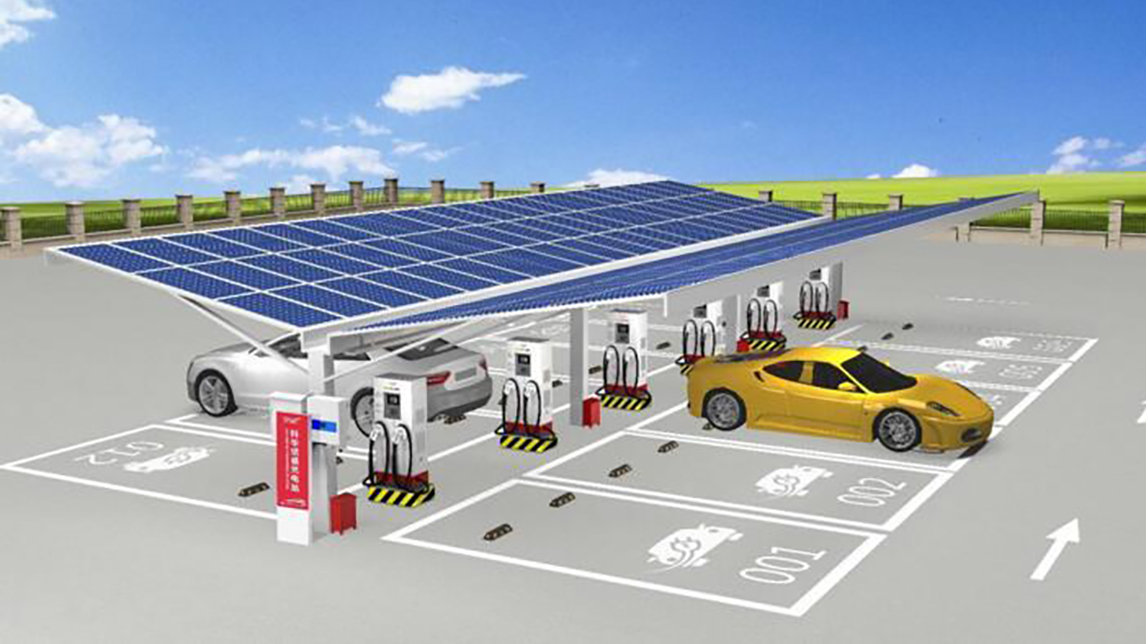
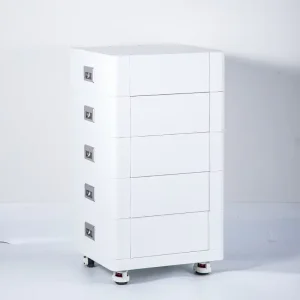
Reduce peak-hour grid dependence by 40% through intelligent energy dispatch. Our modular 100kWh-10MWh storage systems serve as a buffer for ultra-fast charging stations.
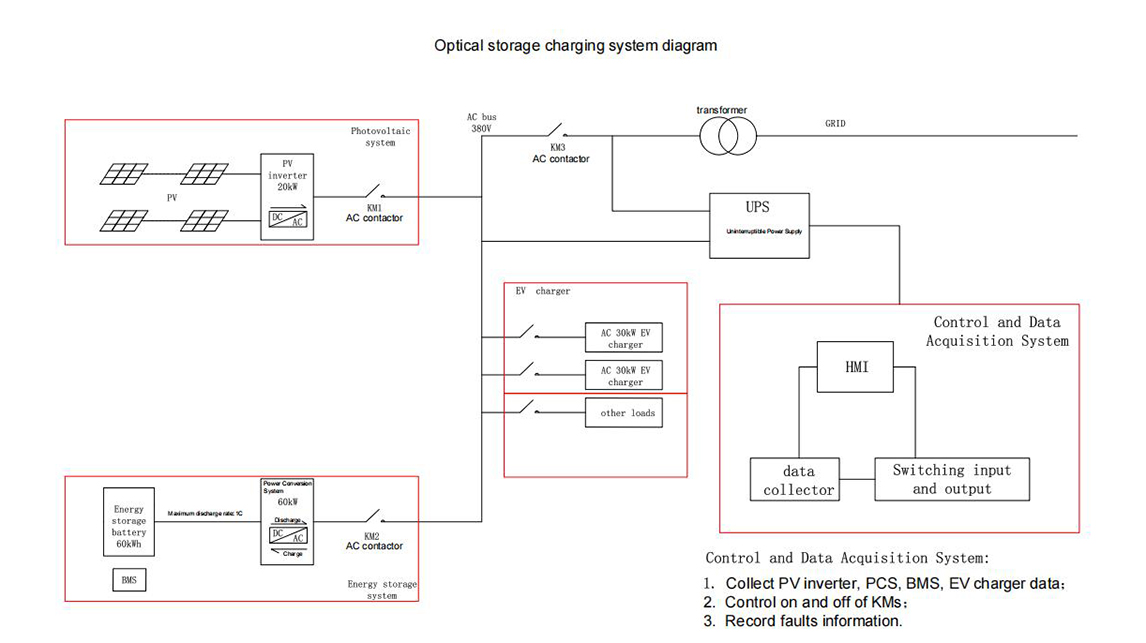
Transform residential properties into energy hubs. Using 7kW/11kW AC chargers with APP scheduling allows users to charge vehicles at 1/15th the cost of fuel cars.
| Indicator | Traditional Solution | Integrated Solution | Improvement |
|---|---|---|---|
| PV Self-Consumption Rate | 50% | 85%+ | ↑70% |
| Comprehensive Electricity Cost | 0.85 USD/kWh | 0.62 USD/kWh | ↓27% |
| Annual Carbon Reduction | - | 40%-60% | Significant |
Anticipating the Next Decade of Charging Technology
EVs will transition from energy consumers to mobile power plants, feeding electricity back into the grid during peak demand.
Next-generation ports will include wireless pads for automatic charging in autonomous taxi fleets and luxury residential zones.
Eliminating the need for apps or cards, vehicles will automatically authenticate and start charging upon connection.
CCS1 is primarily used in North America and Korea, utilizing a Type 1 connector base. CCS2 is the European standard and uses a Type 2 base. As a global manufacturer, we provide both configurations to ensure regional compliance.
Extreme cold can increase resistance, while heat requires thermal management. Our IP55/IP65 units are rated for -35°C to +75°C, featuring internal temperature sensors and modular cooling fins.
Yes, our 120kW-360kW DC stations feature modular power cabinets. You can start with a lower capacity and add power modules as your fleet's demand for 800V charging increases.
Depending on local subsidies and electricity rates, the average payback period for our integrated commercial solutions is between 3.8 to 5 years due to significant electricity cost savings.
 Tongxing