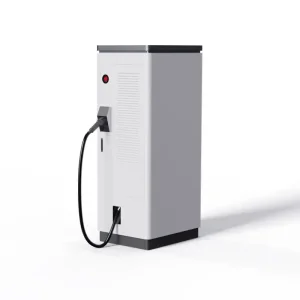
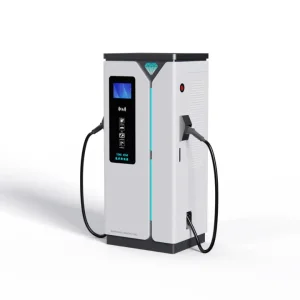
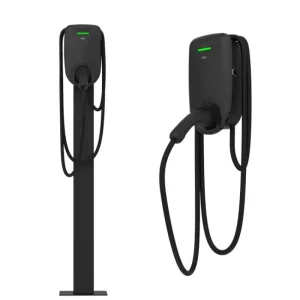
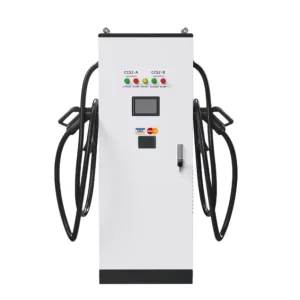
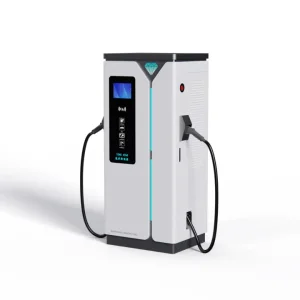
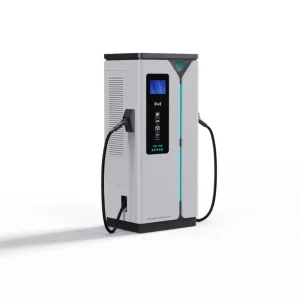
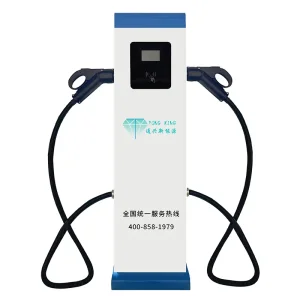
As the global automotive industry pivots toward electrification, the demand for robust, reliable, and efficient charging infrastructure has reached an unprecedented peak. In North America and various international markets, 240V Level 2 charging has emerged as the gold standard for residential and light commercial applications. Unlike standard 120V outlets, 240V systems provide the necessary amperage to replenish an electric vehicle's battery overnight, delivering approximately 20-40 miles of range per hour of charging.
China's EV charger manufacturers have positioned themselves at the vanguard of this technology, leveraging massive economies of scale and sophisticated R&D ecosystems. By integrating advanced power electronics with IoT-enabled software, Chinese factories are now producing 240V systems that offer more than just power—they offer intelligence.
Years of Energy Expertise
Intelligent Production Base
Field Reliability Rate
Countries Served Globally
Our facility operates 18 automated assembly lines with a 95% automation rate. Utilizing IoT-enabled quality control, every 240V charger undergoes rigorous stress testing, thermal imaging analysis, and EMI/EMC compliance audits to ensure stability under extreme conditions (-35°C to 75°C).
Beyond hardware, we specialize in full-stack software development. Our chargers support OCPP 1.6J and 2.0.1 protocols, enabling seamless communication with global management platforms, real-time billing, and remote diagnostics, crucial for large-scale fleet operators.
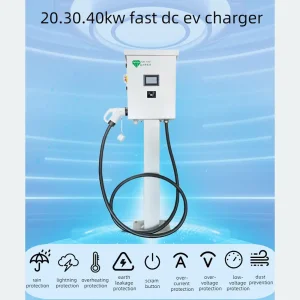
Meeting international standards is not optional. Our products carry CE, UL, TUV, and IEC certifications. We implement dual-core redundancy protection systems, preventing over-voltage, leakage, and thermal runaway, providing peace of mind for residential and industrial users alike.
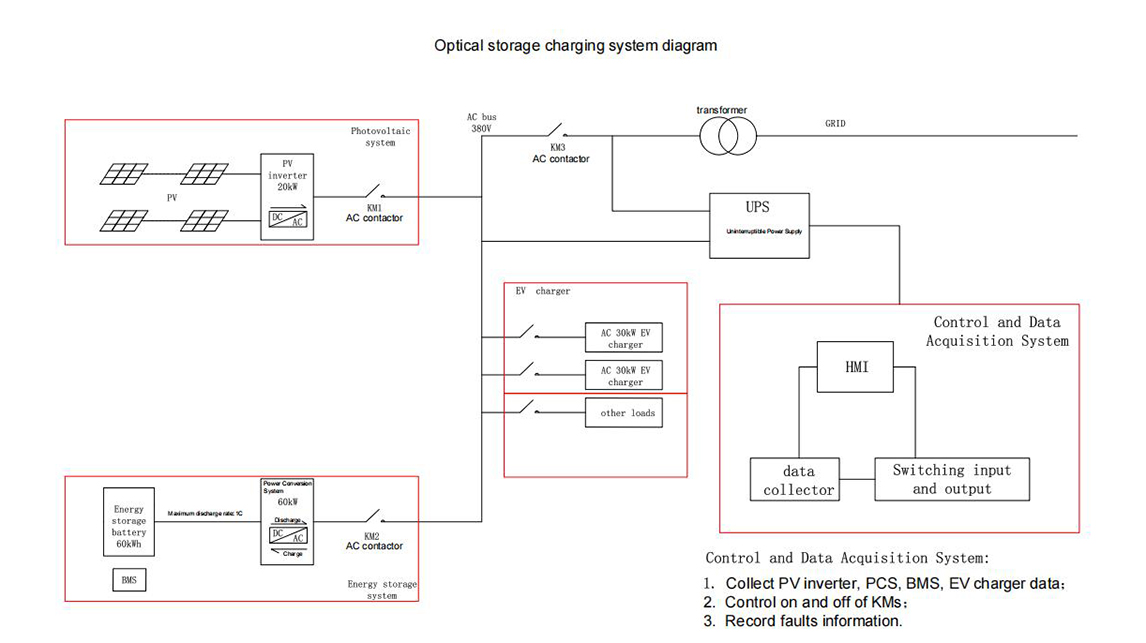
The "Full-Scenario Energy Ecosystem" represents the next frontier in carbon neutrality.
| Performance Indicator | Traditional Charging Solution | Integrated Tongxing Solution | Economic Improvement |
|---|---|---|---|
| PV Self-Consumption Rate | ~50% | 85%+ | ↑ 70% Efficiency |
| Comprehensive Electricity Cost | 0.85 USD/kWh | 0.62 USD/kWh | ↓ 27% Cost Reduction |
| Annual Carbon Emission | Baseline | 40%-60% Reduction | ISO 14064 Certified |
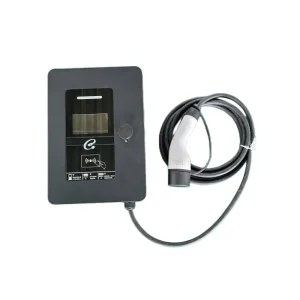
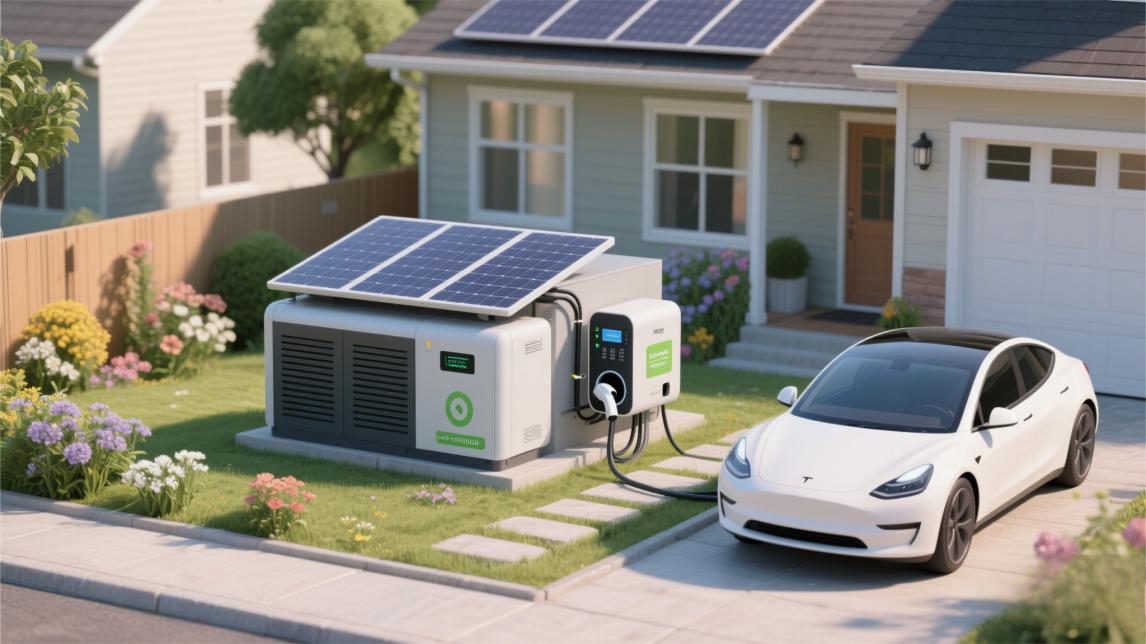
Designed for private villas and apartment complexes, our 240V 7kW/11kW AC chargers feature APP-based scheduling. Users can charge at night when grid rates are lowest, achieving fuel savings of up to 90% compared to traditional vehicles.
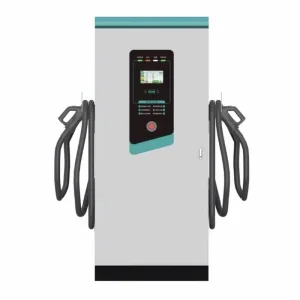
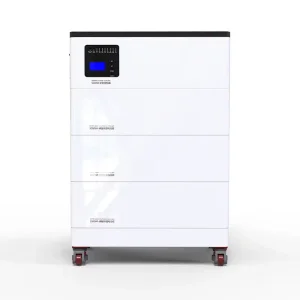
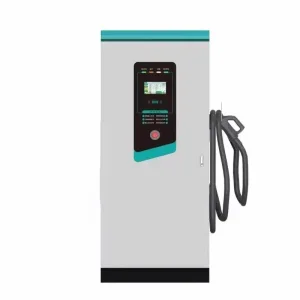
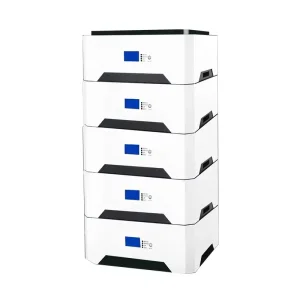
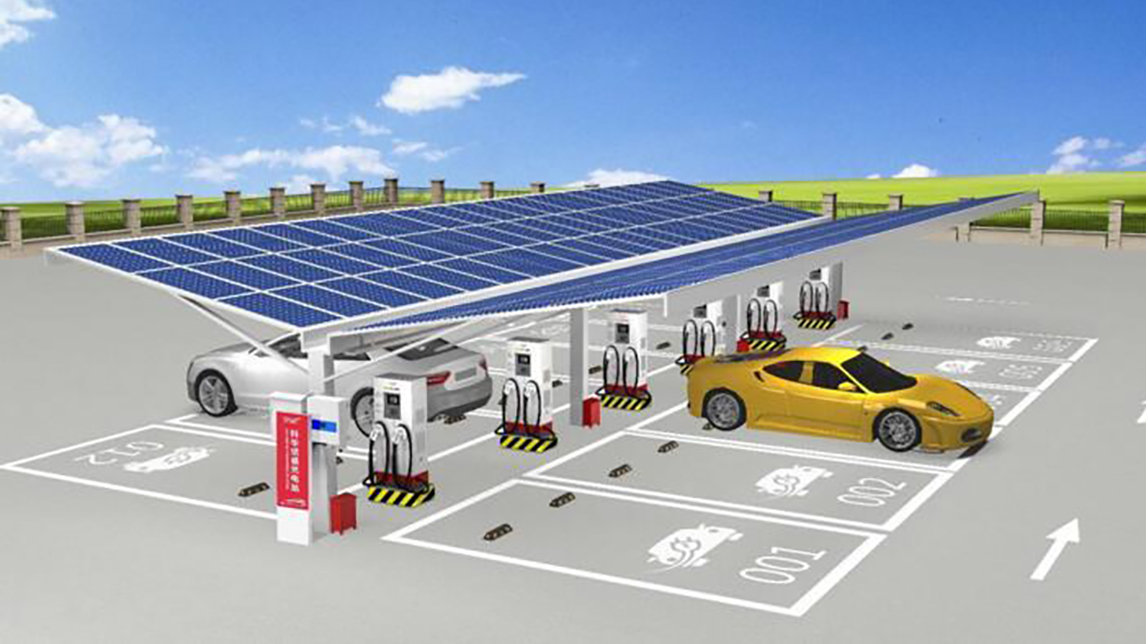
Logistics hubs and factories benefit from our modular DC stations. By integrating solar canopies with 10MWh storage systems, enterprises can operate zero-carbon logistics fleets while serving as emergency backup power for the facility.
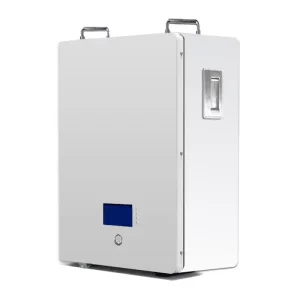
Our off-grid solutions utilize containerized energy storage and DC chargers to bring electrification to mining sites and scenic campsites where grid connection is unstable or unavailable, ensuring 72-hour continuous operation.
V2G (Vehicle-to-Grid) Technology: We are currently piloting bi-directional charging systems that allow EVs to act as mobile power banks, selling energy back to the grid during peak demand periods.
AI-Driven Energy Dispatch: Our next-generation cloud platform uses machine learning to predict charging patterns and optimize solar energy allocation, further reducing the Levelized Cost of Energy (LCOE).
High-Voltage Platforms: Transitioning from 400V to 800V/1000V architecture to accommodate the latest high-performance EV models from Tesla, BYD, and Lucid, drastically reducing wait times at public stations.
A 240V (Level 2) charger operates at higher amperage, reducing charging time by 5-7 times compared to a 120V outlet. This is essential for modern EVs with large battery capacities to ensure a full charge overnight.
Yes, all Tongxing chargers are engineered to meet CE (Europe), UL (North America), and GB/T (China) standards. Our factories are ISO 9001 and ISO 14001 certified for quality and environmental management.
Absolutely. We provide comprehensive OEM/ODM services, including custom housing design, UI/UX customization for touchscreens, and integration with third-party payment gateways.
With our integrated solar and storage solutions, most commercial operators see a return on investment within 3.5 to 5 years, depending on local electricity tariffs and government subsidies.
 Tongxing