Engineered for High-Duty Cycles, Global Compliance, and Intelligent Grid Orchestration
The global logistics and public transportation sectors are undergoing a rapid paradigm shift toward total electrification. Commercial fleets—including medium and heavy-duty trucks, last-mile delivery vans, municipal bus networks, and rideshare fleets—require highly robust, fast, and scalable charging systems. Unlike residential charging, fleet charging demands maximum uptime, predictable energy costs, intelligent load balancing, and strict grid compliance.
As a leading Chinese manufacturer, Tongxing New Energy Technology Co., Ltd. stands at the forefront of this industrial transformation. With 23 years of specialized power electronics expertise, we engineer advanced fleet charging ecosystems that integrate dynamic load management, local battery storage, and distributed photovoltaic generation. This white paper highlights our technical solutions, manufacturing capability, and strategic methodologies designed to optimize the Total Cost of Ownership (TCO) for global fleet operators.
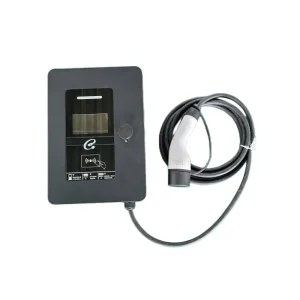
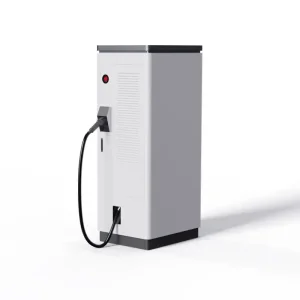
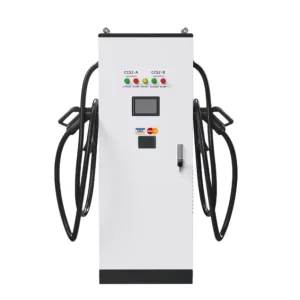
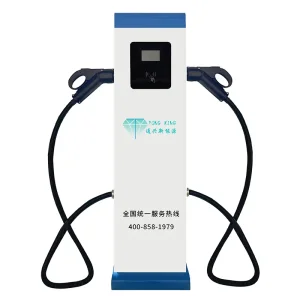
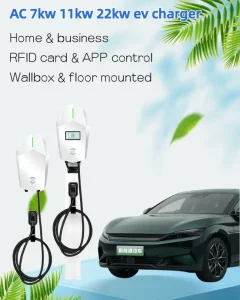
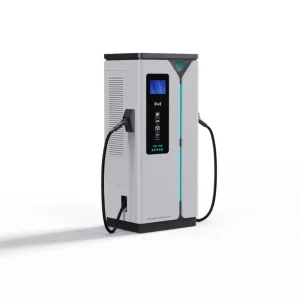
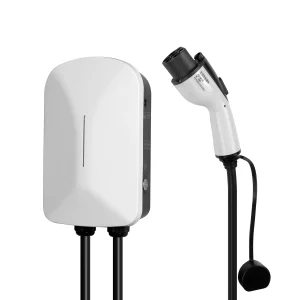
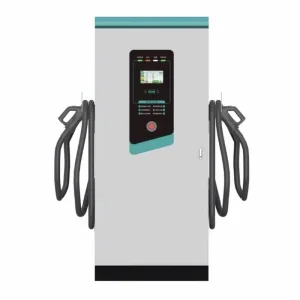
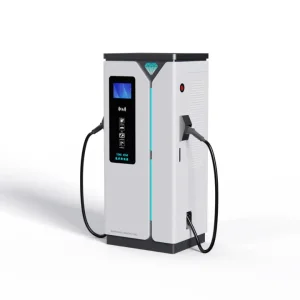
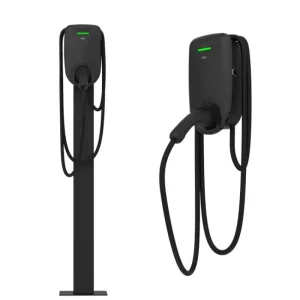
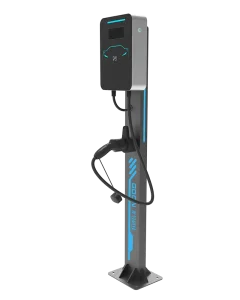
Tongxing is a certified National High-Tech Enterprise with over two decades of experience. Our end-to-end product architecture stretches from residential-grade AC wallboxes (3.5kW-22kW) to commercial-grade ultra-fast DC dispensers (60kW-960kW). We provide integrated PV-Storage-Charging infrastructure designed to make every kilowatt-hour smarter and every route greener.
Equipped with 18 automated assembly lines and IoT-enabled quality control systems, achieving a 95% production automation rate for consistent build quality.
Our workforce features 140+ certified technical operations specialists, 20+ specialized R&D engineers in power electronics, and a 40-member ISO-9001 quality audit team.
From power topology configuration, custom thermal management paths, and EMC compliance design, to OCPP 1.6J/2.0J cloud system integration.
Holding 12 utility model patents in charging connectivity, a dual-core redundancy safety system, and an average 78% reduction in standby power draw (2021-2023).
To withstand the rigorous usage patterns of fleet depots and heavy industrial yards, our charging hardware is built around four fundamental core advantages:
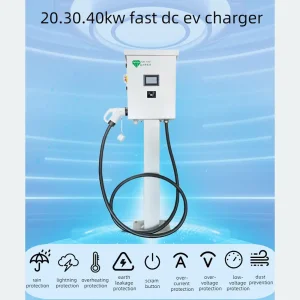
Engineered with military-grade internal components, our IP54/IP55/IP65 systems operate seamlessly in temperatures ranging from -35°C to 75°C, featuring integrated smart cooling loops.
Modular physical designs that support wall-mount brackets, floor pedestals, and mobile configurations. Adaptable to depot bays, logistics hubs, and open public parking.
Fully compliant with OCPP 2.0.1, allowing remote energy allocation via PV-Storage arrays, local dynamic load balancing (DLB), and seamless payment API integrations.
AC power delivery ranging from 7kW to 22kW, and DC ultra-fast liquid-cooled stations generating up to 720kW—delivering 300km of range replenishment in under 10 minutes.
Our solutions power sustainable mobility across 45+ countries. From the freezing Arctic conditions of Iceland to the high-heat desert environments of Saudi Arabia, we work alongside European grid operators, APAC infrastructure developers, and global logistics leaders to guarantee localized compliance under IEC, CE, and UL standard frameworks.
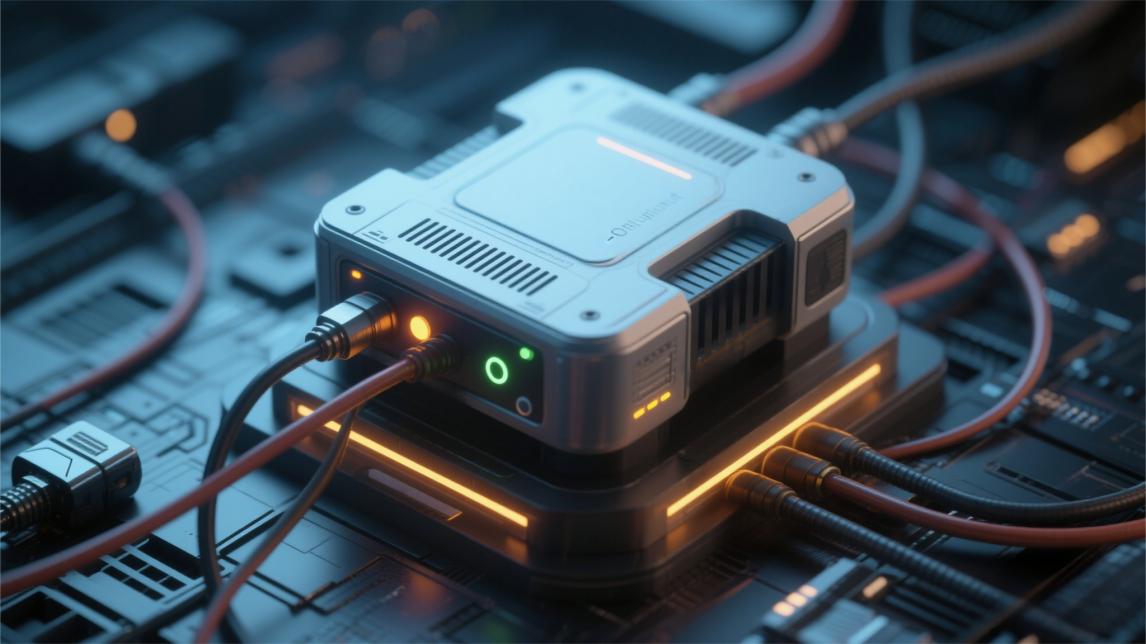
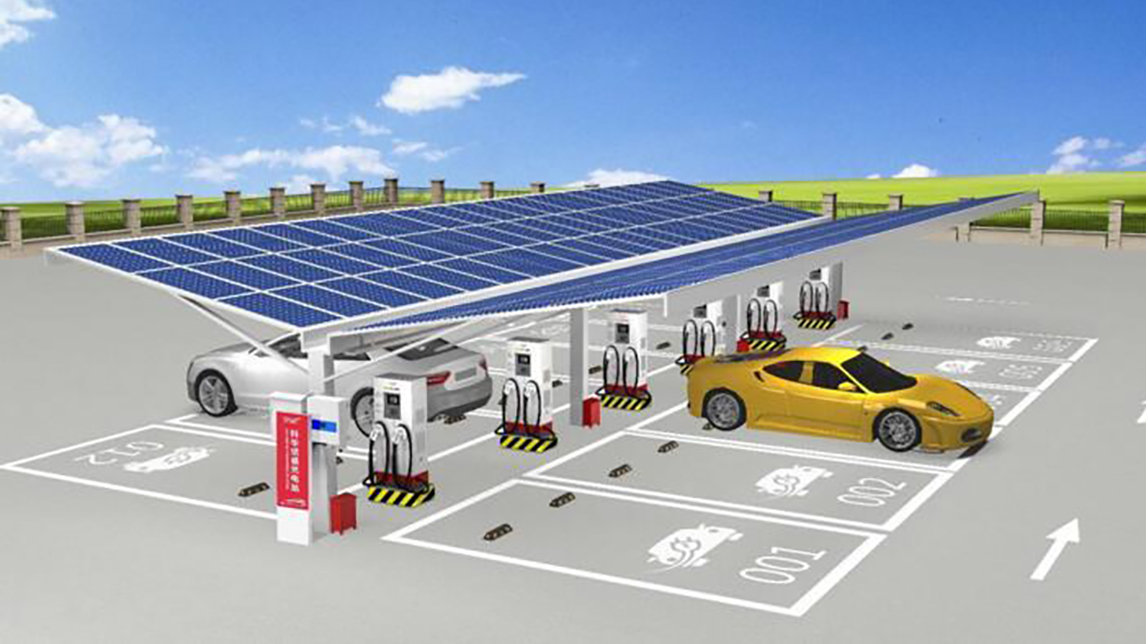
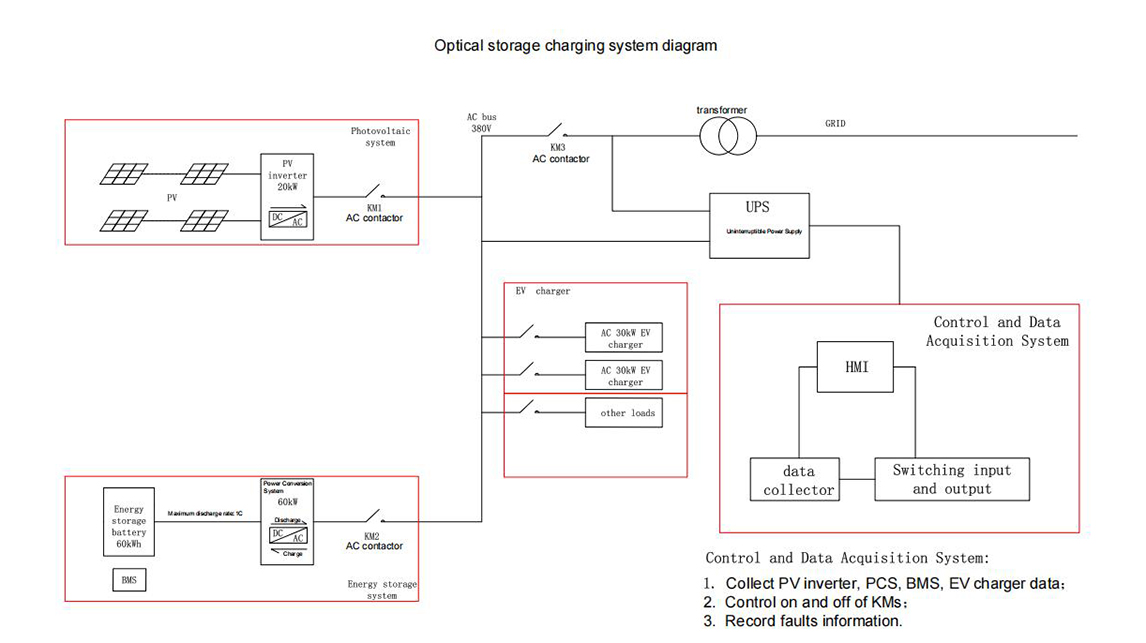
For commercial hubs and long-haul transport corridors, reliance on grid power alone can trigger high peak-demand charges. Our Integrated Photovoltaic-Energy Storage-EV Charging Solution solves this issue by creating localized green microgrids.
Industrial parks and commercial plazas face complex power challenges when adding fleet infrastructure. Our three-layer energy architecture optimizes power consumption without requiring expensive grid capacity upgrades:
Distributed monocrystalline PERC solar arrays (50kW-500kW) cover 15% to 30% of local facility power requirements, qualifying operators for regional green building incentives.
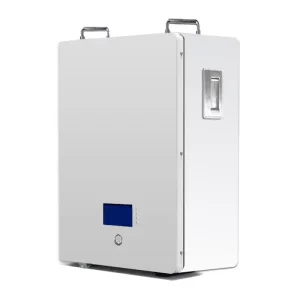
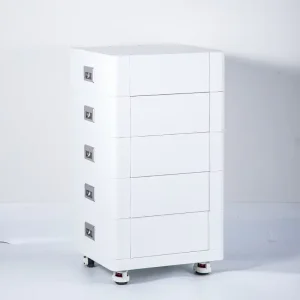
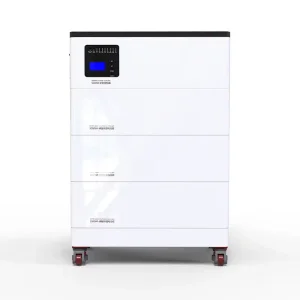
Modular battery energy storage systems (BESS, 100kWh-10MWh) use high-voltage cascaded chemistry, enabling peak-valley tariff arbitrage and supplying 72 hours of back-up power.
Energy management software prioritizes clean solar/storage capacity, tracks real-time carbon offsets for ISO 14064 compliance, and schedules low-cost fleet charging.
| Performance Indicator | Traditional Grid-Tied Solution | Tongxing Integrated Ecosystem | Improvement Margin |
|---|---|---|---|
| PV Self-Consumption Rate | 50% | 85%+ | ↑ 70% Efficiency Gain |
| Average Operational Electricity Cost | 0.85 USD / kWh | 0.62 USD / kWh | ↓ 27% Cost Reduction |
| Annual Carbon Emissions (CO2 Equivalent) | Baseline Reference | 40% - 60% Reduction | Significant Sustainability Progress |
Our fleet systems are built to the highest safety and performance standards, supporting modern high-voltage architectures:
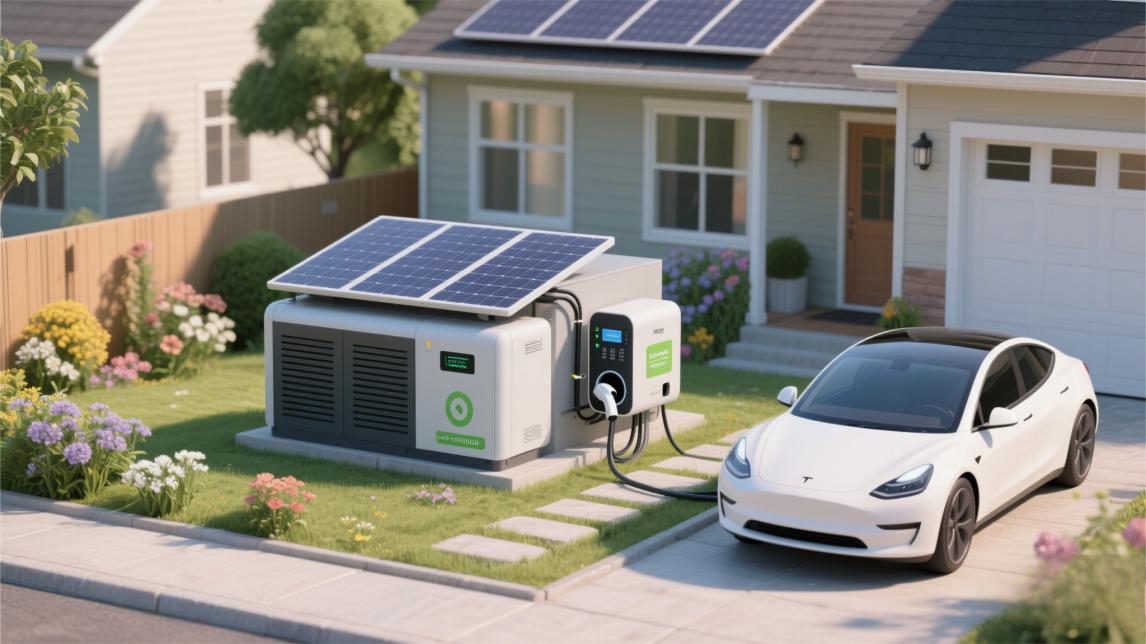
For home-based vehicle fleets and smart residences, we configure modular systems that convert houses into self-sufficient power hubs:
Prioritizes using solar and battery power, and automatically schedules grid top-ups during low-tariff off-peak night windows.
Limits charging source strictly to 100% renewable solar and battery energy, eliminating grid carbon footprint entirely.
Automatically isolates the local system during a grid outage to supply up to 72 hours of continuous power to critical appliances.
For utility developers and grid-connected solar plants, integrating battery energy storage systems (BESS) is essential to maintain grid stability and prevent energy curtailment.
Responds in milliseconds to sudden solar fluctuations, limiting grid output volatility to within 5% (well below the typical 20% regulatory limit) to prevent system faults.
Stores excess energy during peak solar generation hours and discharges it during peak consumption windows, maximizing feed-in revenue.
Participates in utility-scale frequency response programs, generating additional revenue per megawatt of energy storage capacity.
| Technical Metric | Tongxing BESS Standard | Conventional Industry Standard | Competitive Advantage |
|---|---|---|---|
| System Response Time | ≤10 milliseconds | ≤50 milliseconds | Ultra-rapid transient correction |
| Battery Cycle Life | ≥6,000 times (80% DOD) | ≤3,000 times (80% DOD) | Double the service lifespan |
| System Round-Trip Efficiency | ≥96% | ≤93% | Lower thermal losses |
| Scale & Capacity Support | Distributed (50kW) to Utility (10MW+) | Rigid fixed sizing options | Highly modular expansion |
Providing reliable vehicle charging in locations without high-capacity grid access, such as remote mining operations, construction sites, and tourist destinations, requires a specialized off-grid approach:
Uses local solar arrays combined with high-capacity battery storage to deliver stable DC fast charging without a grid connection.
Pre-configured, containerized systems that can be shipped, positioned, and commissioned on-site within 72 hours.
Integrated safety control loops protect the local system against external grid anomalies and extreme weather fluctuations.
Our systems are engineered for diverse applications, including urban retail centers, commercial depots, and off-grid worksites.
As fleet charging demands grow, we are continuously advancing our technology to support future grid requirements:
Developing bidirectional DC systems that allow fleet vehicles to act as mobile batteries, feed energy back into the grid during peak hours, and generate additional revenue.
Designing next-generation liquid-cooled systems to support MCS standards, delivering up to 1.2MW of charging power for heavy-duty electric trucks and maritime applications.
Optimizing battery management systems (BMS) to support next-generation solid-state battery cells, promising higher energy densities and faster charging profiles.
Technical and regulatory answers for fleet managers and engineering leads
Select the Ideal Configuration for Your Operations
 Tongxing