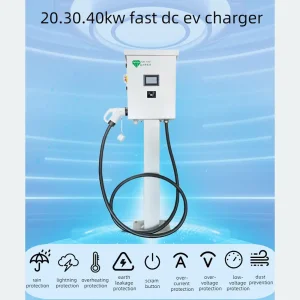
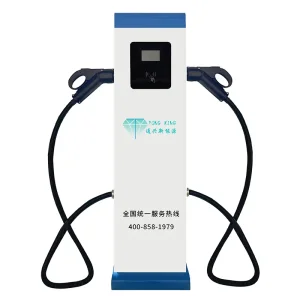
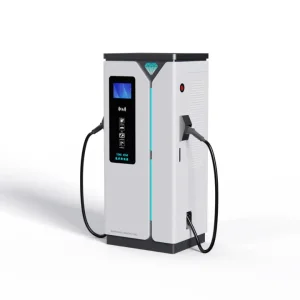
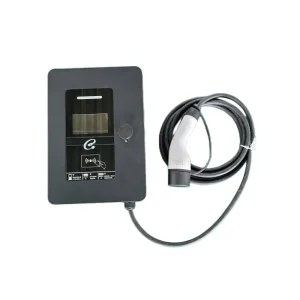
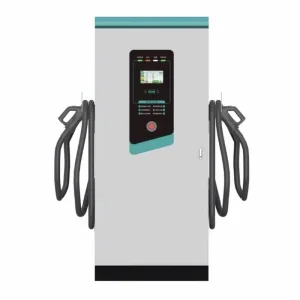
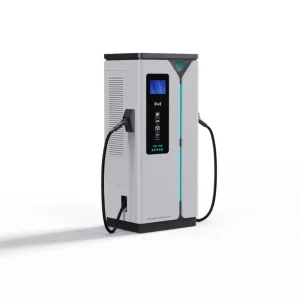
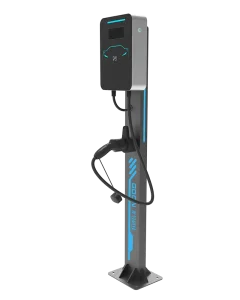
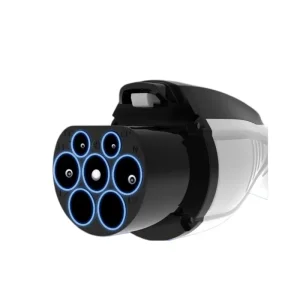
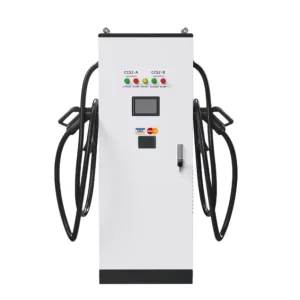
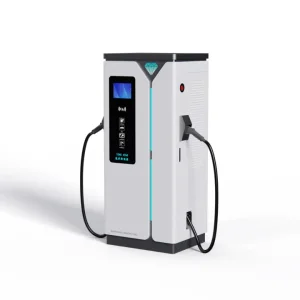
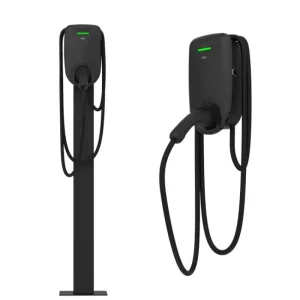
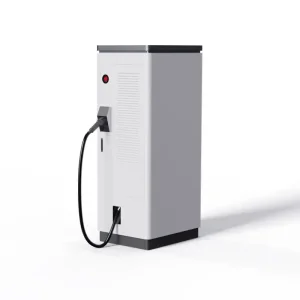
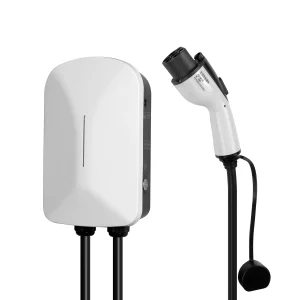
Our 18 automated assembly lines are integrated with IoT-enabled quality control systems, ensuring that every Givenergy-compatible charger meets zero-defect standards.
Technical Operations: 140+ engineers; R&D Innovation: 20+ specialists; QA Audit: 40-member ISO-9001 certified team.
From circuit topology optimization and thermal management to OCPP 2.0.1 protocol development and cloud-based energy dispatch algorithms.
The future of EV charging lies in the vehicle's ability to act as a mobile power bank. Our R&D focuses on V2G (Vehicle-to-Grid) and V2H (Vehicle-to-Home) technologies, allowing owners of Givenergy systems to stabilize the grid and reduce household energy costs during peak hours.
As EV penetration increases, grid overload becomes a risk. Our smart chargers utilize AI to monitor site-wide electricity demand in real-time, automatically adjusting charging speeds to prioritize essential operations without exceeding breaker limits.
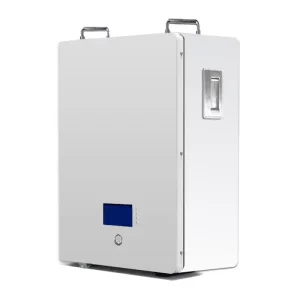
Procurement is shifting from standalone chargers to Integrated Photovoltaic-Energy Storage-EV Charging solutions. By combining solar panels, LiFePO4 storage (like our 48V 100Ah Powerwall), and high-speed chargers, enterprises can achieve up to 85% energy self-sufficiency.
| Requirement | Standard Solution | Tongxing "Information Gain" Solution |
|---|---|---|
| Climate Resilience | Standard IP54 Rating | IP55/IP65 Military-grade materials (-35°C to 75°C) |
| Interoperability | OCPP 1.6J | OCPP 2.0.1 + ISO 15118 (Plug & Charge) Readiness |
| ROI Optimization | Standard Charging | Peak-Valley Arbitrage Algorithms (40% Cost Reduction) |
| Uptime Support | Email Support | Remote Cloud Diagnostics & 24-Hour Engineer Dispatch |
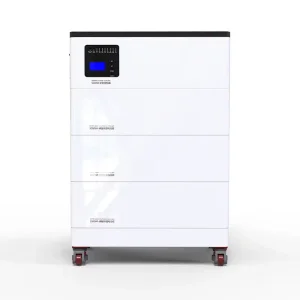
Make every kilowatt-hour smarter. Our industrial & commercial solutions utilize rooftop PV to supply 30%-50% of charging demand. Combined with modular energy storage (100kWh-10MWh), stations can store off-peak power and release it during peak hours, alleviating grid stress and creating a sustainable carbon-neutral park.
Deployment of 600KW+ liquid-cooled charging terminals for 5-minute ultra-fast replenishment, compatible with 800V high-voltage vehicle architectures.
Integration of Virtual Power Plant (VPP) capabilities, allowing charging stations to participate in grid frequency regulation and ancillary services.
Pilot programs for semi-automated wireless charging pads and robotic arm charging for autonomous fleet depots.
 Tongxing