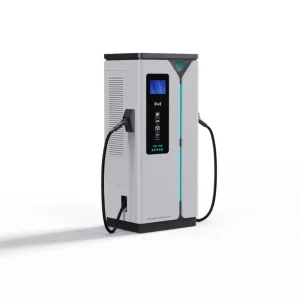
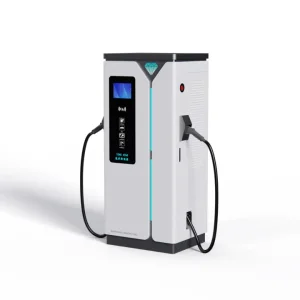
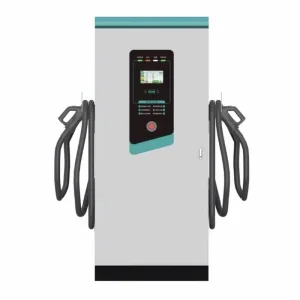
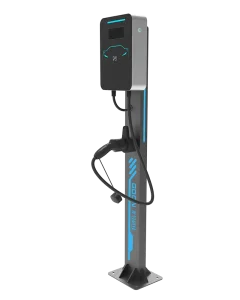
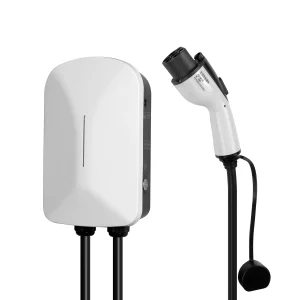
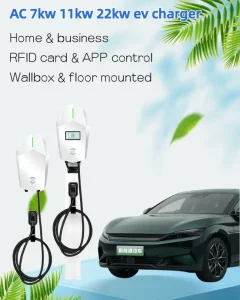
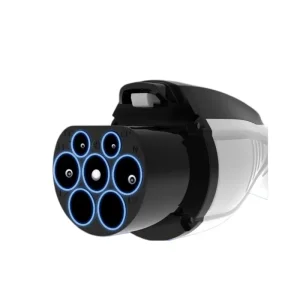
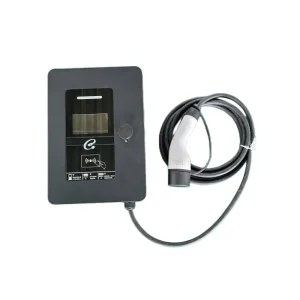
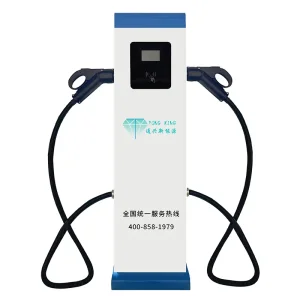
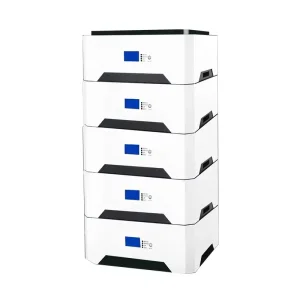
As the global automotive industry undergoes a paradigm shift toward electrification, the demand for reliable China Level 1 EV Charger Manufacturers has skyrocketed. While Level 2 and DC fast chargers dominate public discussions, Level 1 charging remains the foundational "safety net" and primary residential solution for millions of EV owners worldwide.
Tongxing New Energy Technology Co., Ltd., a National High-Tech Enterprise, bridges the gap between traditional power electronics and future-ready smart grid integration. With 23 years of specialized R&D, we offer more than just hardware; we provide a comprehensive energy ecosystem designed for the next generation of mobility.
Smart Production Base
Field Reliability Rate
Countries Exported
Industry Expertise
Equipped with 18 automated assembly lines and IoT-enabled quality control systems, achieving a 95% production automation rate. Every Level 1 charger undergoes rigorous thermal cycling and load testing.
Our proprietary dual-core redundancy protection system ensures that even in the event of a controller failure, the hardware safety mechanisms (Over-voltage, Leakage, Over-temp) remain active.
From circuit topology optimization to OCPP 1.6J/2.0 protocol development, our 140+ certified engineers control the entire lifecycle of the product.
Level 1 EV charging is no longer an isolated appliance. In the modern industrial and commercial landscape, it acts as a critical node in the "Smart Urban Photovoltaic-Energy Storage-Charging Hub."
| Indicator | Traditional Grid Solution | Tongxing Integrated Solution | Operational Improvement |
|---|---|---|---|
| PV Self-Consumption Rate | 50% | 85%+ | ↑ 70% Efficiency |
| Comprehensive Electricity Cost | 0.85 USD/kWh | 0.62 USD/kWh | ↓ 27% Cost Savings |
| Carbon Emission Reduction | - | 40% - 60% | ISO 14064 Compliance |
Utilizing rooftop distributed photovoltaics (50-500kW) to cover 15%-30% of enterprise electricity demand, providing low-cost charging for employee logistics fleets.
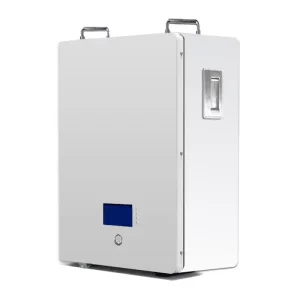
Making homes energy centers. Level 1 chargers integrated with 5-15kWh home batteries can save $3,000-$5,000 annually on electricity bills through peak-shaving.
Containerized integrated deployment for scenic spots or mining areas, enabling station setup within 72 hours with 72-hour continuous backup supply.
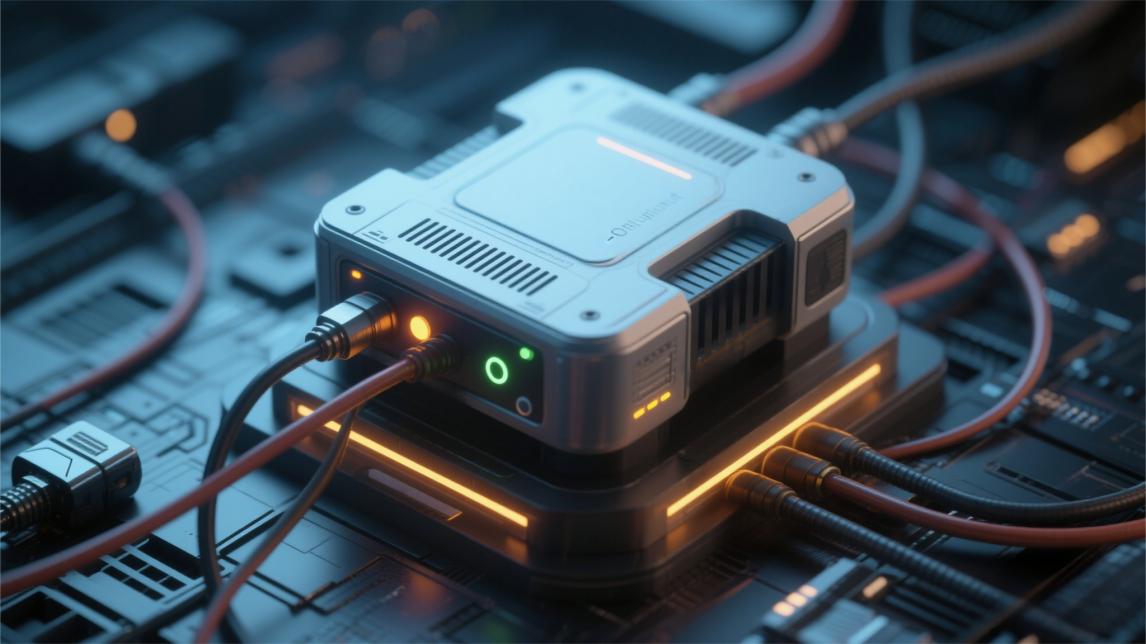
As a leading China Level 1 EV Charger supplier, we focus on material science and power density. Unlike consumer-grade alternatives, our industrial-grade chargers feature:
We understand that importing EVSE (Electric Vehicle Supply Equipment) requires strict adherence to local regulations. Our products are engineered to meet and exceed international standards.
Fully compatible with SAE J1772 (Type 1) standards, NEMA 5-15 or 5-20 plugs, and FCC Part 15 Class B for residential use.
Certified for IEC 61851-1, featuring Type 2 connectors and RCD Type B (AC 30mA + DC 6mA) leakage protection.
Strategic alignment with the latest GB/T 20234 standards, supporting the world's largest EV market with high-durability components.
The future of Level 1 charging lies in V2H (Vehicle-to-Home) and AI-Driven Load Balancing. Tongxing is currently piloting bidirectional Level 1 units that allow EVs to act as mobile power banks for emergency home use. By 2026, we aim to reduce standby power consumption by another 20%, aligning with global net-zero targets.
Standardizing smart charging communication for better grid interaction.
Transitioning to Gallium Nitride for 30% smaller form factors and 5% higher efficiency.
ML algorithms that predict user charging habits to optimize solar energy use.
Sourcing from a specialized manufacturer like Tongxing provides a direct link to the R&D source. This means lower BOM costs, faster customization for B2B branding, and access to the latest power electronics innovations that are often pioneered in the Chinese EV market before going global.
Yes. Our units are IP55/IP65 certified and have been field-tested in environments ranging from Iceland's Arctic conditions to the desert climates of Saudi Arabia. We use high-grade UV-resistant materials and internal heating elements for cold-start scenarios.
Absolutely. We provide full-scenario branding services, including custom enclosure designs, proprietary APP development, and localized certification support (UL, CE, Energy Star).
Our 72,000㎡ facility allows for high-volume output. Standard orders are typically fulfilled within 15-25 days, with 72-hour expedited deployment available for certain modular solutions.
Our chargers can be coupled with our PV and Energy Storage systems. The smart controller prioritizes surplus solar energy to charge the vehicle, significantly reducing the "Total Cost of Ownership" (TCO) for the end-user.
 Tongxing