As the global automotive industry undergoes a seismic shift toward electrification, the demand for reliable, efficient, and intelligent Level 2 (L2) charging solutions has never been higher. Level 2 charging, typically operating at 208-240V AC, represents the "sweet spot" of the EV ecosystem—offering a significant speed upgrade over standard Level 1 wall outlets while maintaining a much lower installation cost than Level 3 DC fast chargers.
Information Gain: Modern Level 2 chargers are no longer simple power conduits. They are sophisticated IoT devices capable of dynamic load balancing, solar integration, and Vehicle-to-Grid (V2G) communication. Suppliers in China, led by pioneers like TONGXING NEW ENERGY TECHNOLOGY CO., LTD., are at the forefront of this transformation, leveraging 23 years of R&D to provide more than just hardware—they provide energy ecosystems.
Equipped with 18 automated assembly lines and IoT-enabled quality control systems, achieving a 95% production automation rate. This ensures pinpoint accuracy in PCBA mounting and housing assembly.
A 40-member ISO-9001 audit team manages full-lifecycle testing. Every Level 2 charger undergoes high-voltage insulation tests, salt spray resistance, and 48-hour full-load aging tests.
By localizing the production of core power electronics and magnetic components, Chinese factories minimize lead times. Our proximity to the world’s lithium processing and semiconductor hubs ensures cost-competitive pricing even during global shortages.
TONGXING’s 200-strong workforce includes over 140 certified engineers and 20 specialists dedicated to power electronics. This R&D density allows for "Full-Stack Development"—from circuit topology optimization to complex OCPP 2.0 protocol implementation. This is the hallmark of a high-EEAT supplier: the ability to explain how the hardware interacts with the software to protect the EV's battery life.
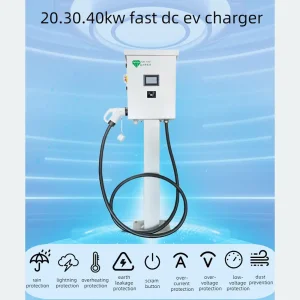
Engineered with military-grade materials, our IP55/IP65-certified charging stations deliver unmatched performance in temperatures ranging from -35°C to 75°C. Whether in the Arctic or the Sahara, the dual-core redundancy protection ensures consistent uptime.
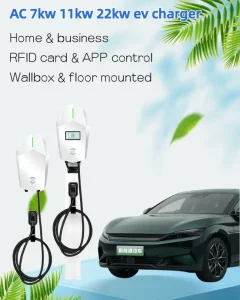
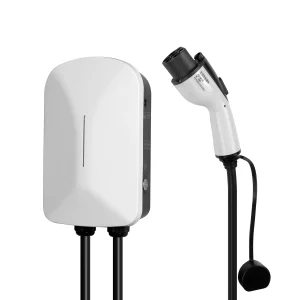
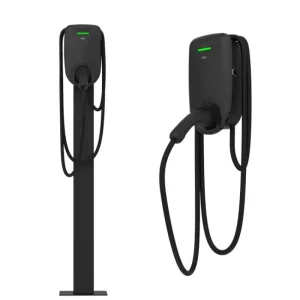
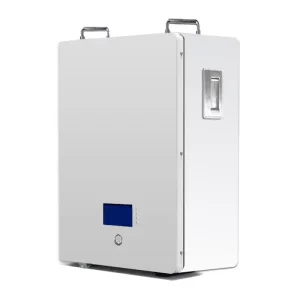
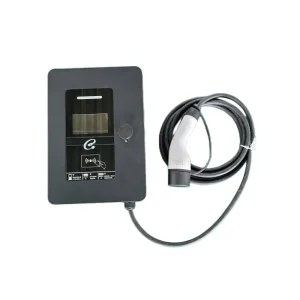
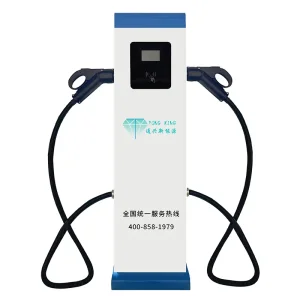
Supporting wall-mounted, floor-standing, and portable configurations, our chargers adapt to:
Proprietary OCPP 2.0-compliant systems enable seamless payment gateway integration, real-time solar energy allocation, and remote monitoring through cloud-based management platforms.
"Make Every Kilowatt-Hour Smarter, Make Every Charge Greener"
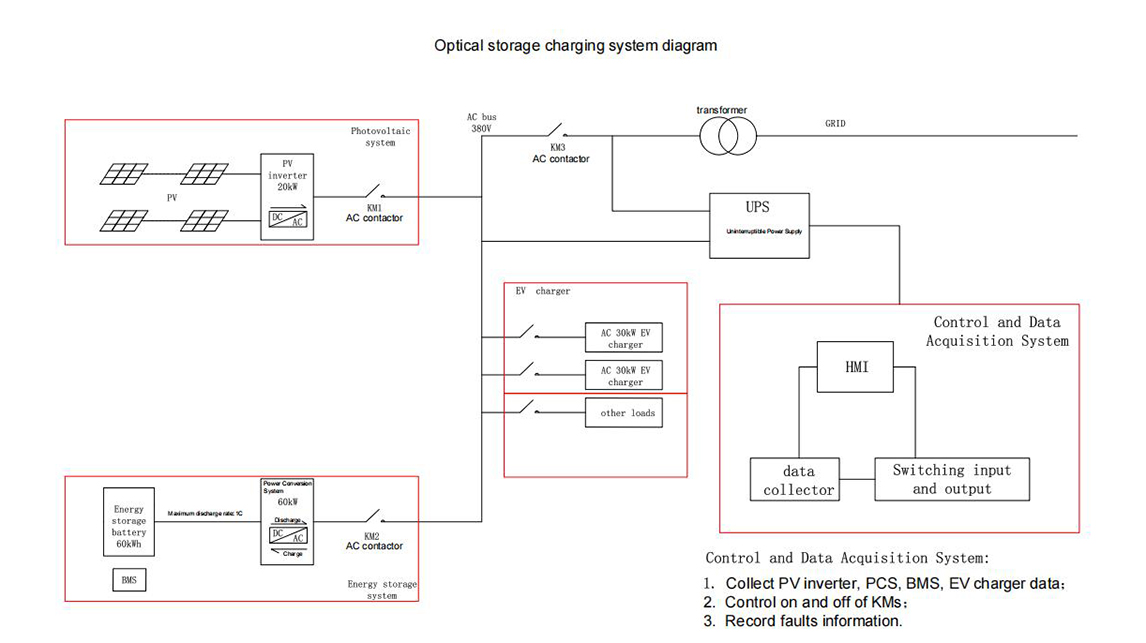
Rooftop distributed photovoltaics with 50-500kW capacity. This layer covers 15%-30% of enterprise electricity demand annually, directly reducing operational costs.
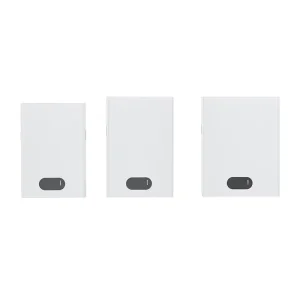
Modular energy storage systems (100kWh-10MWh). These systems enhance peak-valley tariff arbitrage benefits by 30% while serving as a 72-hour emergency power supply.
Dynamic dispatching for production electricity, vehicle charging (at 50% of market rates), and real-time carbon tracking for ISO 14064 certification.
| Indicator | Traditional Solution | Integrated Solution | Improvement |
|---|---|---|---|
| PV Self-Consumption Rate | 50% | 85%+ | ↑ 70% |
| Comprehensive Electricity Cost | 0.85 USD/kWh | 0.62 USD/kWh | ↓ 27% |
| Annual Carbon Emission Reduction | - | 40%-60% | Significant |
| Response Time | ≤50ms | ≤10ms | Industry Leading |
Global enterprises seeking China Level 2 Home Charger Suppliers prioritize localized compliance. TONGXING ensures all products meet IEC, CE, and UL certifications, making them compatible with European grid operators and APAC infrastructure developers alike.
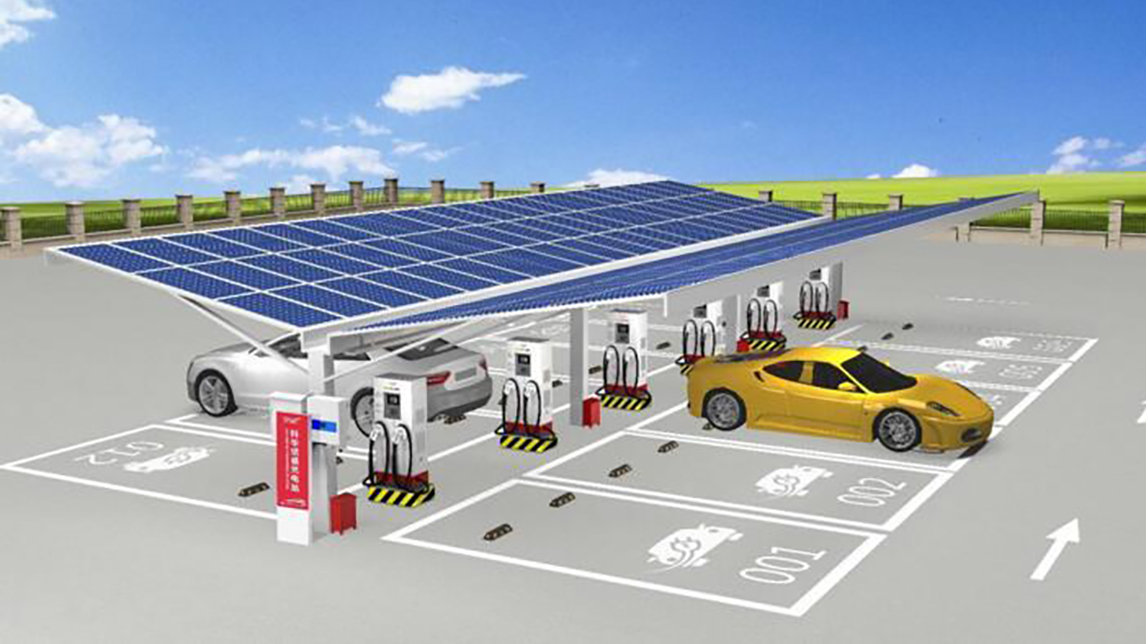
Electrify remote areas without stable grid connection. Our Solar Array + Energy Storage + DC EV Charger configuration supports 72-hour continuous power supply even with minimal sunlight.
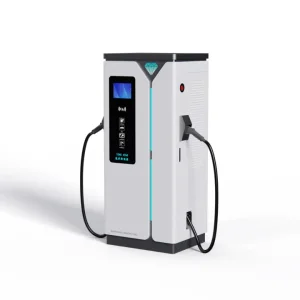
Ultra-fast charging hubs in city centers utilize AI power distribution to improve multi-gun charging efficiency by 25%, adding 200km range in just 10 minutes.
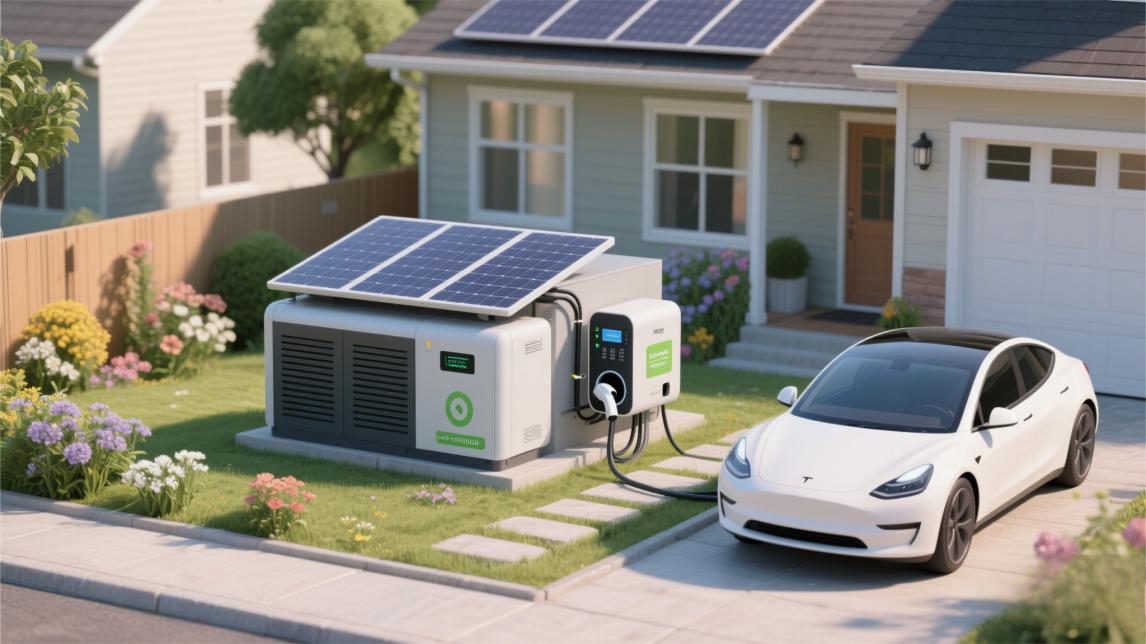
Transforming homes into energy centers. 7kW/11kW AC chargers support scheduled charging via app, reducing costs to 1/15th of fuel vehicle expenses.
Level 1 charging uses a standard 120V outlet and adds about 3-5 miles of range per hour. Level 2 charging uses a 208-240V circuit and can add 15-60 miles of range per hour, depending on the charger's amperage and the vehicle's onboard charger capacity.
China is the world's largest EV market, which has driven massive investment in charging technology. Suppliers like TONGXING offer superior "Information Gain" through integrated PV-Storage-Charging solutions, higher automation in manufacturing, and a more resilient supply chain that ensures faster delivery and lower costs.
Yes. The Open Charge Point Protocol (OCPP) allows the hardware to communicate with any management software. This prevents "vendor lock-in" and enables advanced features like smart billing, remote diagnostics, and load management.
For global markets, chargers must have CE (Europe), UL (North America), or TUV certification. Key safety features should include Type A + DC 6mA leakage protection, over-temperature protection, and lightning surge protection.
The transition to renewable energy is inevitable. By partnering with a verified National High-Tech Enterprise like TONGXING, you gain access to 23 years of engineering excellence. Our solutions don't just charge cars; they build the low-carbon transportation infrastructure of the future.
 Tongxing