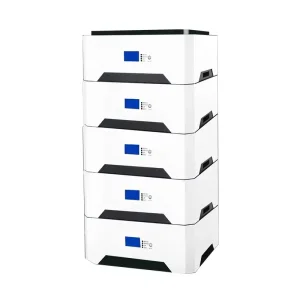
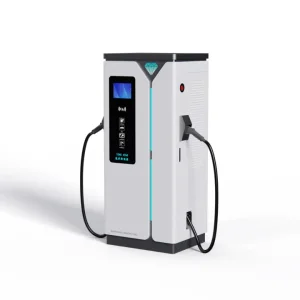
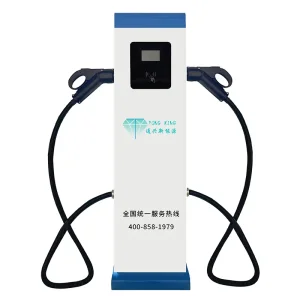
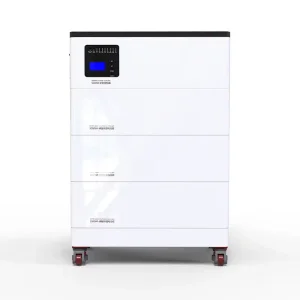
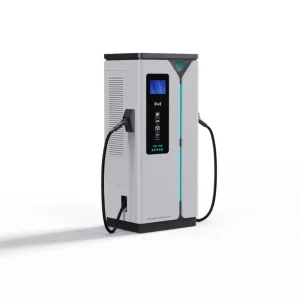
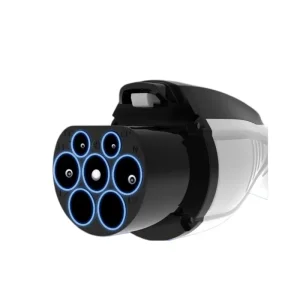
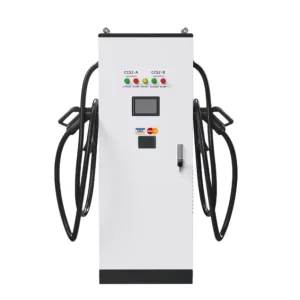
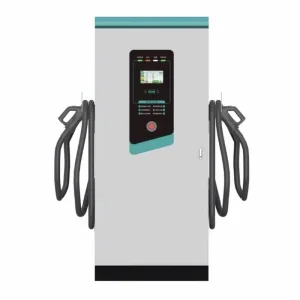
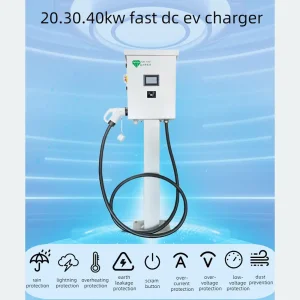
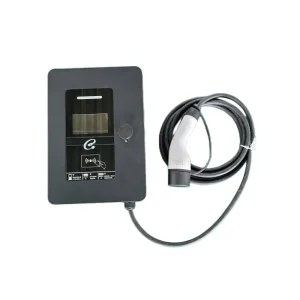
Examine our comprehensive catalog of commercial-grade EV chargers, advanced powerpacks, and modular microgrid systems engineered for rapid deployment.
Pioneering smart high-power charging ecosystems backed by over two decades of robust industrial excellence.
As an established national high-tech manufacturing enterprise with 23 years of specialized power electronics expertise in the energy sector, Tongxing focuses heavily on the R&D, structural design, and global distribution of innovative EV charging hardware and storage topologies. Our comprehensive product portfolio spans from 3.5KW residential wallboxes to industrial-grade 960KW split-type ultra-fast charging matrices, complemented by advanced microgrid solutions (PV + Storage + Chargers).
Through our commitment to strict design validations, integrated circuit topology upgrades, and global regulatory alignments, we produce ultra-reliable, high-power DC systems engineered specifically to satisfy heavy fleet demands, highway corridor operator budgets, and high-uptime utility environments globally.
Equipped with 18 automated assembly lines and IoT-enabled quality control systems, achieving a 95% automation rate.
140+ certified engineers, 20+ R&D power electronic innovators, and 40 ISO-9001 certified internal audit officers.
Proven implementations extending from Arctic temperatures in Iceland to harsh, high-heat desert operations in Saudi Arabia.
Verified field stability rate audit in 2023 by TÜV SÜD, surpassing typical industry performance thresholds.
Why high-voltage, high-current charging architectures are becoming the definitive choice for modern logistical operations.
The transition toward zero-emission heavy transport has shifted the commercial EV paradigm from overnight trickle charging to high-power opportunistic charging. A 350kW DC Fast Charger is not merely a scaled-up residential station; it is a complex grid-interactive energy gateway designed to handle output voltages up to 1000V and continuous currents of up to 500A. The deployment of 350kW charging hubs is critical for passenger cars with 800V silicon-carbide (SiC) architectures (e.g. Porsche Taycan, Hyundai Ioniq 5, Audi e-tron) and heavy logistics vehicles that require immediate operational turnaround.
At 350kW, battery replenishment cycles are shortened from hours to minutes, allowing logistics vehicles and line-haul logistics trucks to replenish 80% state-of-charge (SoC) in approximately 10 to 15 minutes. This creates massive business continuity gains for:
However, managing 350kW charging nodes introduces severe structural challenges, specifically grid demand surges, thermal loss, and connector cable weight. Tongxing's wholesale 350kW charging equipment leverages specialized power modules, advanced liquid-cooling manifolds, and microgrid integration tools to convert these technological hurdles into sustainable, long-term ROI.
Deep-level engineering optimization ensures structural reliability, safe operations, and maximum hardware longevity under harsh environment profiles.
Decarbonizing energy input, reducing utility demand charges, and securing emergency electrical resilience.
Deploying wholesale 350kW DC fast chargers can strain traditional municipal grids. In many regions, peak demand charges can represent up to 50% of an operator's monthly electricity bill. To address this structural issue, Tongxing integrates Photovoltaic Direct Generation (PV), Battery Energy Storage Systems (BESS), and High-Power Chargers into a unified microgrid.
By buffering grid power with local battery arrays, site developers can bypass extensive utility grid updates, save surplus solar generation, and discharge during peak grid pricing. This microgrid operates seamlessly under three customized operating configurations:
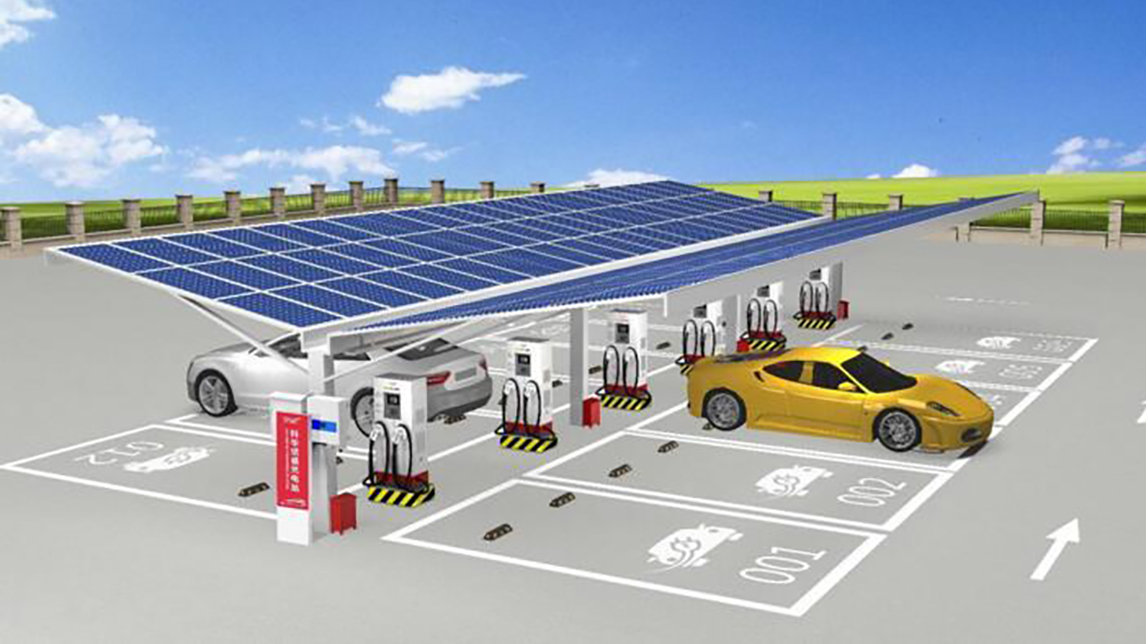
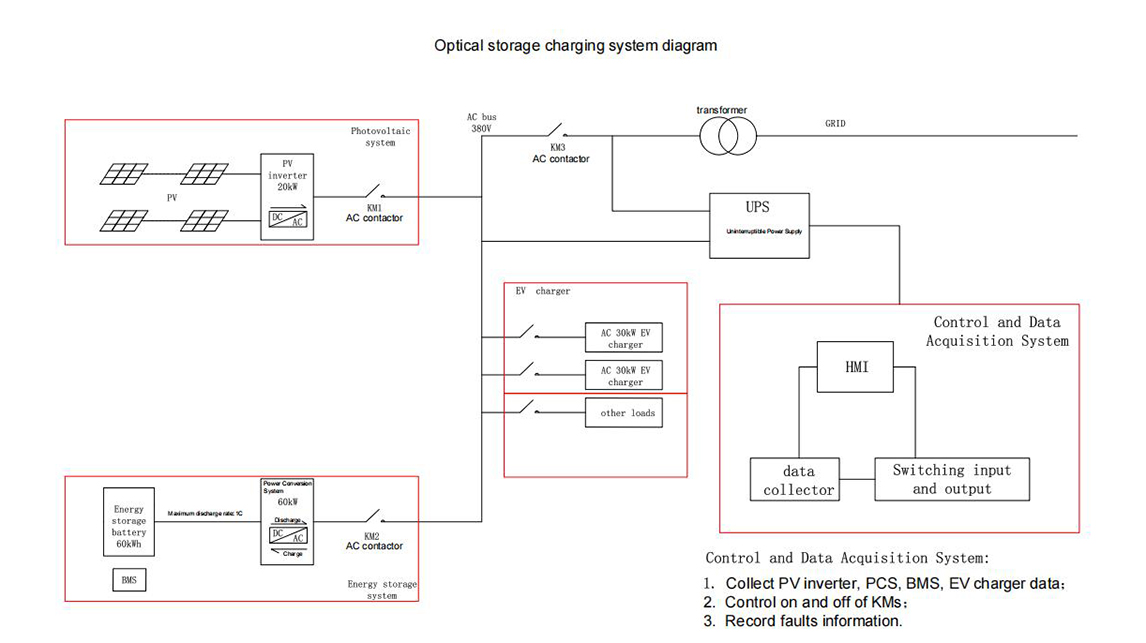
Prioritizes localized solar power. The system stores off-peak grid energy during cheap nightly periods and discharges to EVs during peak daytime tariff blocks to minimize grid costs.
Strives to maintain a zero-carbon footprint by balancing charging demand strictly with available solar generation and stored green power, bypassing grid intake.
Automatically isolates from the main grid during local blackouts. Critical charging infrastructure remains powered for up to 72 hours via onsite battery storage pools.
| Performance Indicator | Traditional High-Power Grid Direct Solution | Tongxing PV-Storage-Charging Integrated Solution | Improvement Margin |
|---|---|---|---|
| PV Energy Self-Consumption Rate | ~50% (due to generation/load mismatch) | 85%+ (buffered by smart local storage) | ↑ 70% increase |
| Comprehensive Operational Electricity Cost | 0.85 USD / kWh (fully dependent on grid tariffs) | 0.62 USD / kWh (blended solar & off-peak storage) | ↓ 27% reduction |
| Annual Carbon Emission Footprint | High baseline grid dependencies | 40% - 60% Reduction depending on local solar availability | Certified Offset Improvement |
| Local Grid Infrastructure Strain | Severe demand peaks, high transformer loads | Buffered & Flattened Peaks (VPP / peak-shaving ready) | Grid-Friendly Integration |
How our industrial clusters, automated lines, and material efficiency deliver premium products at scale.
China leads the global production of power electronics and energy storage systems due to complete regional supply chains, highly skilled engineering hubs, and highly optimized assembly lines. At Tongxing's state-of-the-art 72,000m² manufacturing facility, we integrate all critical supply modules—ranging from transformer raw materials and liquid-cooling blocks to control board production—under a unified quality management umbrella.
Our manufacturing efficiency and supply chain synergies provide B2B clients and developers with several clear advantages:
Comprehensive technical data comparing Tongxing's utility-grade systems to industry standards.
| Evaluation Parameter | Tongxing Technical Standard | Conventional Industry Average | Operational Advantage |
|---|---|---|---|
| Dynamic System Response Time | ≤ 10 ms | ≤ 50 ms | Millisecond-level power correction prevents voltage drop during vehicle plug-in surges. |
| Cell Operating Lifetime | ≥ 6,000 deep cycles (at 80% DOD) | ≤ 3,000 cycles | Double the service life of standard products, extending replacement cycles by 7-10 years. |
| Comprehensive System Efficiency | ≥ 96% | ≤ 93% | Reduces energy losses by 3%, lowering thermal emissions and operating costs. |
| PV Scale Compatibility Range | Distributed (50kW - 5MW) / Centralized (10MW+) | Limited options / Narrow range | Universal application capability from commercial shopping plazas to utility-scale solar fields. |
| High-Voltage Platform Adaptability | 800V / 1000V DC Ready | Conventional 400V / 500V limit | Provides future-proof compatibility with high-voltage battery designs (Tesla, BYD, Porsche). |
Ensuring seamless compliance and grid integration across major global regions.
Procuring 350kW infrastructure requires strict adherence to regional grid standards and validation protocols. Operating high-voltage stations requires certified safety margins to satisfy local planning approvals. We build all charging stations to conform to major international regulatory framework matrices:
Complies fully with UL 2202, UL 2594, and FCC Class A emission requirements. Integrated CCS1 connectors support up to 500A with liquid cooling, matching regional commercial fleets.
Complies with IEC 61851-1, IEC 61851-23, CE directives, and UK CA requirements. Supports dual-port configuration and OCPP 1.6J/2.0.1 for seamless payment backend connectivity.
Complies with GB/T 20234 national standards. Features heavy-duty, high-performance connectors, automated insulation diagnostic loops, and robust hardware configurations.
Addressing key technical, operational, and commercial questions from global procurement officers and grid integrators.
To handle continuous 500A currents without overheating, our 350kW chargers use active liquid-cooling technology. An internal chiller continuously pumps a synthetic, non-conductive glycol-water mixture through the power cabinets and charging cables. This keeps connector temperatures below 50°C, preventing thermal de-rating and ensuring steady, full-power operation.
Yes. Our charging stations feature a wide output range (150V DC to 1000V DC). The charger's controller automatically detects the vehicle's battery voltage via PLC communication (DIN 70121 / ISO 15118) and delivers the correct voltage, ensuring safe, high-speed charging for both 400V and 800V vehicles.
For standard configurations, the lead time is 4 to 6 weeks from deposit. For custom OEM/ODM orders requiring custom branding, paint specifications, or specific payment terminals, the typical production window is 8 to 10 weeks, depending on component availability and scheduling.
We use multi-stage EMI filtration circuits and isolated magnetic pathways inside our power cabinets. All control electronics are housed in double-shielded compartments to block radiative emissions, ensuring compliance with strict CE/FCC electromagnetic compatibility standards and protecting nearby sensitive systems.
Our systems natively support OCPP 1.6J and OCPP 2.0.1 JSON protocols, allowing integration with any standard charging station management software (CSMS). They also feature built-in POS terminals, RFID readers (Mifare/NFC), mobile app integration, and Plug & Charge capability via ISO 15118.
Find the ideal hardware configuration for your regional distribution network and commercial business needs.
 Tongxing