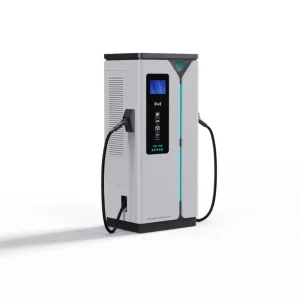
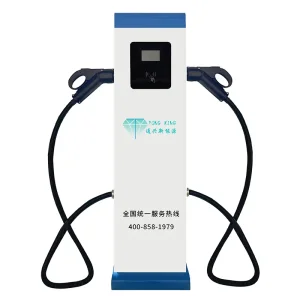
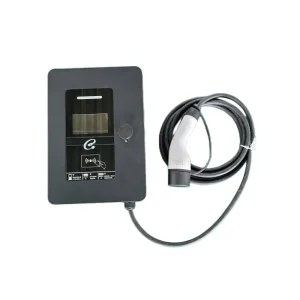
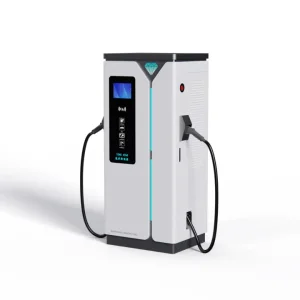
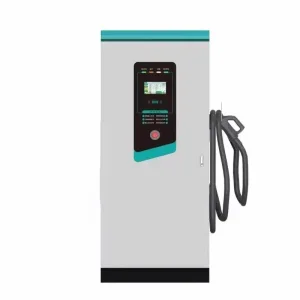
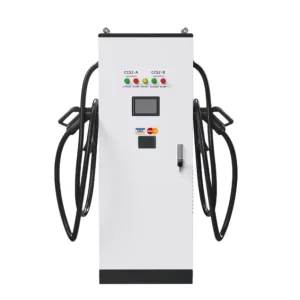
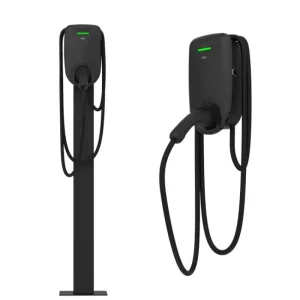
As the EV revolution shifts from early adoption to mass-market integration, the definition of "DC Fast Charging Speed" has evolved into a critical competitive benchmark. For global manufacturers and suppliers, optimizing the balance between power output, thermal management, and grid stability is no longer optional—it is the foundation of future infrastructure.
The global EV charging station market is projected to reach $120 billion by 2030, with DC fast chargers (Level 3) accounting for 65% of total revenue due to high-utilization demands in commercial fleets.
Transitioning from 50kW to 360kW+ ultra-fast charging is reducing downtime for heavy-duty logistics by 80%, enabling a 300km range replenishment in under 12 minutes.
Despite rapid growth, a 4.5 million unit shortfall in public DC fast charging points exists across the EU and North America, presenting a massive opportunity for wholesale suppliers.
When discussing Wholesale DC Fast Charger Speed Manufacturers, industry experts look beyond the simple kW rating. The true "speed" is a result of total system efficiency.
Why Tier-1 global procurement directors choose TONGXING and leading Chinese manufacturers for high-speed DC infrastructure.
Supply Chain Integration: Located in the heart of the global electronics hub, our factory sources 95% of components—from semiconductor modules to ruggedized outer casings—within a 200km radius, reducing lead times by 40% compared to European or US counterparts.
18 IoT-enabled production lines ensuring 98.6% field reliability through AI-driven visual inspection and automated aging tests.
Our 20+ member specialist R&D team can iterate new firmware or protocol updates (OCPP 2.0.1) in less than 4 weeks.
Scale economies allow us to offer 360kW units at the price point of 180kW units from regional competitors without sacrificing ISO-9001 quality.
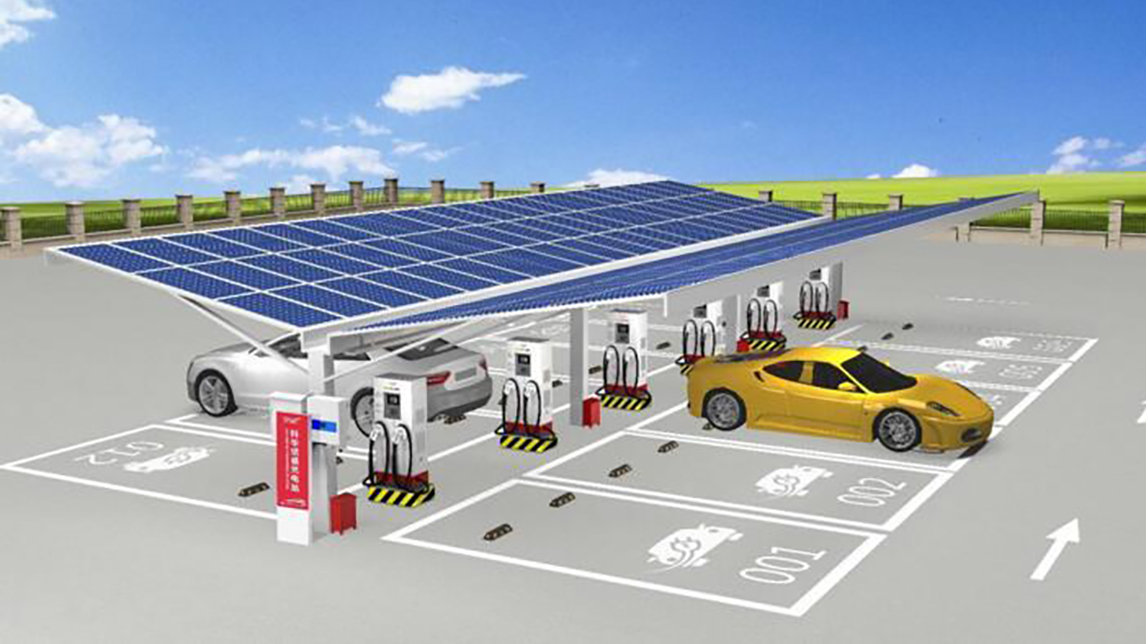
1. Highway Service Plazas: Requires 120kW-240kW split-power systems to charge two vehicles simultaneously at high speeds, maximizing turnover rates.
2. Urban Logistics Hubs: Centralized 360kW-720kW systems with dynamic load balancing to charge fleet vans overnight while managing grid load stress.
3. PV-Integrated Stations: Combining solar canopies with energy storage and DC fast chargers to reduce peak electricity costs by up to 27% annually.
| Parameter | Traditional AC Charger | Standard DC Fast (60kW) | Ultra-Fast DC (360kW) |
|---|---|---|---|
| Charge Time (100km) | 3-4 Hours | 25-30 Minutes | 5-8 Minutes |
| Ideal Scenarios | Home/Office | Shopping Malls/Work | Highway/Fleet Depots |
| OCPP Support | Basic v1.6 | v1.6J / 2.0 | Full v2.0.1 Smart Grid |
| Thermal Management | Passive Air | Forced Air | Liquid-Cooled (Option) |
Extreme cold (-35°C) increases battery internal resistance, while heat (>45°C) triggers BMS throttling. Our chargers utilize military-grade components and intelligent heating/cooling systems to maintain 95% efficiency in all climates.
OCPP 2.0.1 offers enhanced security, improved diagnostic data, and native support for ISO 15118 (Plug & Charge), which is essential for future-proofing large-scale commercial deployments.
No. The charger communicates with the vehicle's BMS (Battery Management System) to deliver only the maximum current the battery can safely handle. The "360kW" is the maximum potential, not the forced output.
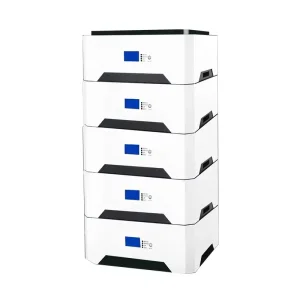
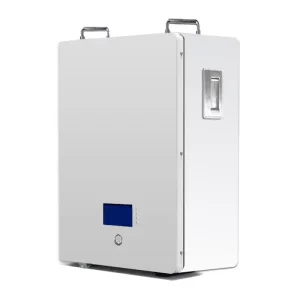
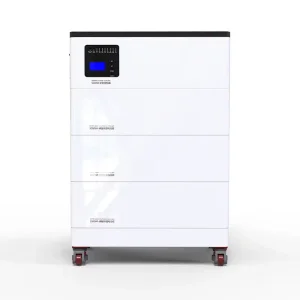
Ultra-fast stations often require a dedicated transformer. We provide "Optical Storage" solutions where energy storage batteries buffer the grid, allowing 360kW bursts even on limited power lines.
As a leading DC Fast Charger Speed Manufacturer, we are currently pioneering three major shifts:
 Tongxing