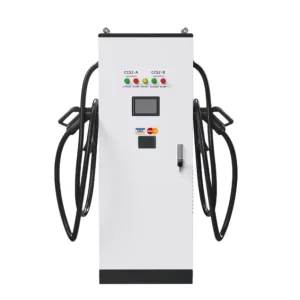
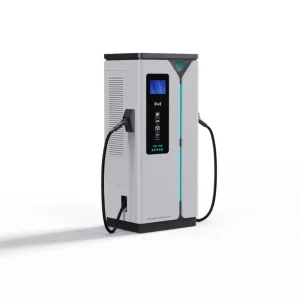
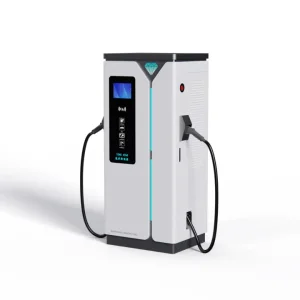
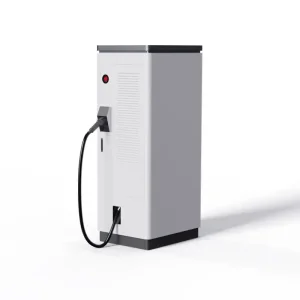
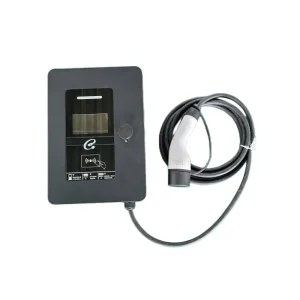
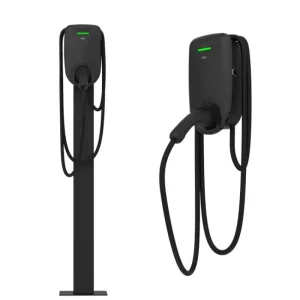
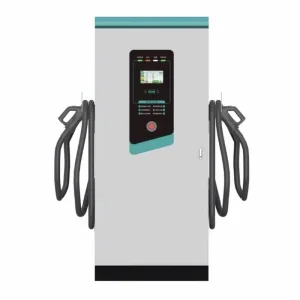
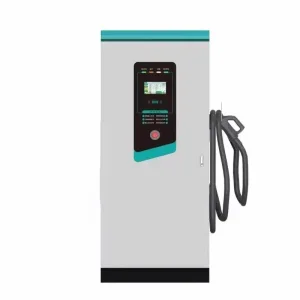
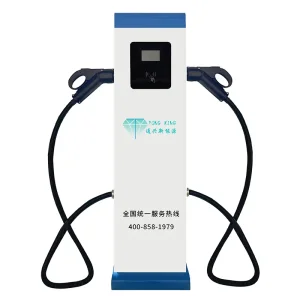
As the global automotive landscape shifts decisively toward electrification, the demand for charging infrastructure has evolved from "availability" to "efficiency." While traditional AC (Level 2) charging has been the standard for residential use, the market is witnessing a significant surge in Home DC Fast Charging requirements. This transition is driven by the emergence of high-capacity 800V battery architectures and the increasing consumer desire for "refueling-like" experiences at home.
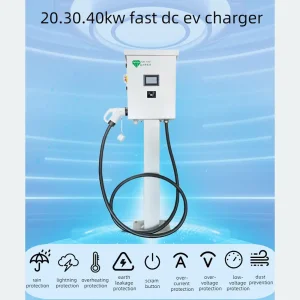
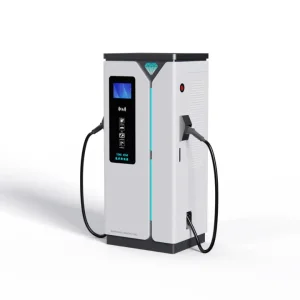
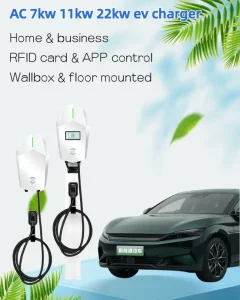
Currently, the Global Business & Industrial Status of Home DC charging is characterized by a push for higher power density and smarter grid interaction. In the European Union and North America, regulatory frameworks like AFIR (Alternative Fuels Infrastructure Regulation) and the NEVI program are setting stringent standards for interoperability and reliability. Homeowners are no longer satisfied with 7kW slow chargers that take 10+ hours; they are looking for 20kW to 40kW DC solutions that can replenish 100km of range in under 30 minutes, utilizing the direct-to-battery efficiency that bypasses the vehicle's onboard AC charger.
Information Gain: Unlike traditional AC chargers, our DC home units integrate V2H (Vehicle-to-Home) capabilities, allowing the EV to act as a massive backup battery for the residence during grid outages. This isn't just a charger; it's a critical component of the modern Smart Home Energy Management System (SHEMS).
The industry is moving toward SiC (Silicon Carbide) technology, which reduces thermal loss and allows for more compact, fan-less DC chargers suitable for indoor garage environments. We are also seeing the integration of OCPP 2.0.1 as a mandatory protocol for enhanced security and smart charging diagnostics.
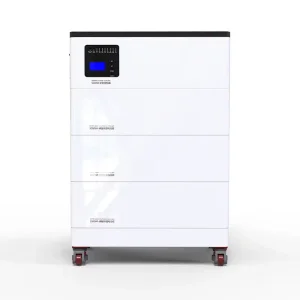
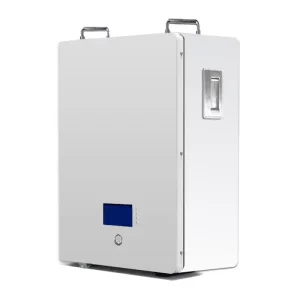
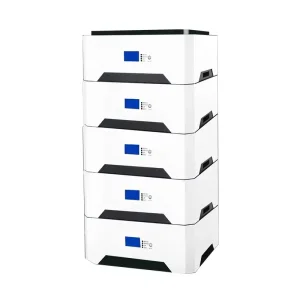
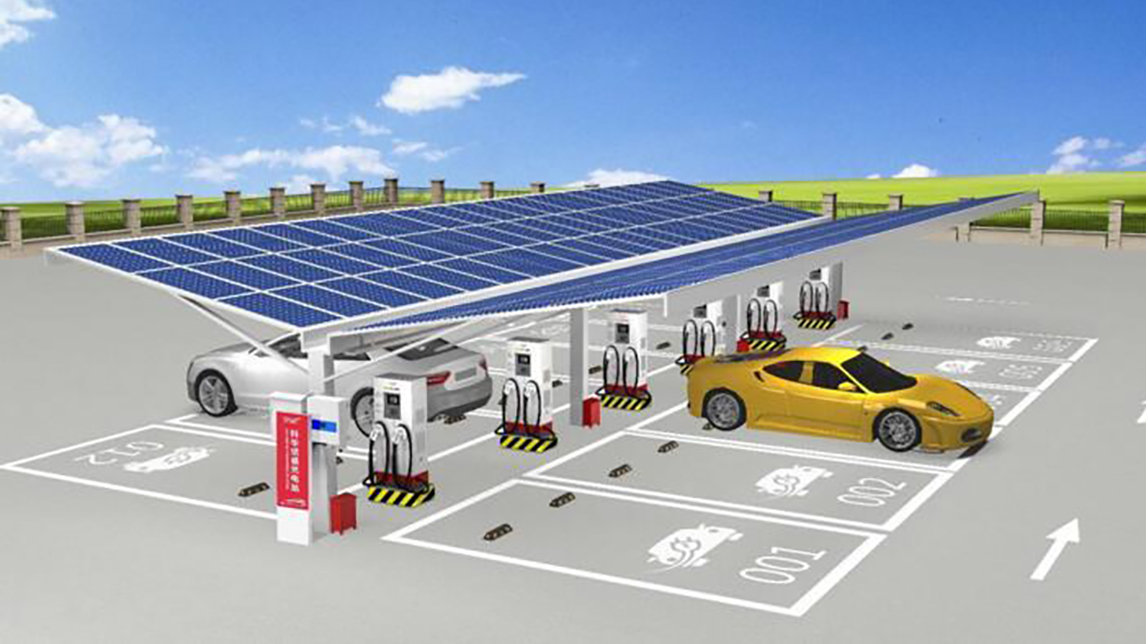
B2B buyers, including real estate developers, utility companies, and fleet operators, are seeking "all-in-one" solutions. There is a specific demand for chargers that can seamlessly interface with existing solar PV arrays and energy storage systems (ESS) to minimize carbon footprints and peak-hour electricity costs.
From Nordic regions requiring extreme low-temperature resilience (-35°C) to Middle Eastern markets demanding IP65 dust-proof integrity, localization is key. Our units are engineered for diverse environments, ensuring uptime regardless of geographic challenges.
China's dominance in the EVSE (Electric Vehicle Supply Equipment) sector is not just about cost; it is about Supply Chain Integration. TONGXING NEW ENERGY TECHNOLOGY CO., LTD. leverages the world’s most mature ecosystem for power electronics. This allows us to move from R&D to mass production in 40% less time than Western competitors.
Full-Scenario Energy Ecosystem Solution
Urban commercial districts, highway service areas, and public transport hubs benefit from our modular designs. We redefine the charging experience by making every kilowatt-hour smarter.
| Feature | Benefit |
|---|---|
| Photovoltaic Direct Supply | Meets 30%-50% of demand at 1/3 peak grid price. |
| Energy Storage Peak Shaving | Reduces grid electricity costs by 40% per station. |
| Ultra-Fast Charging | 120kW-960kW adding 200km range in 10 minutes. |
Reduce electricity costs and enhance green power value for factories, office buildings, and logistics parks.
| Indicator | Traditional | Integrated | Improvement |
|---|---|---|---|
| PV Self-Consumption | 50% | 85%+ | ↑70% |
| Electricity Cost | 0.85 USD/kWh | 0.62 USD/kWh | ↓27% |
Optical storage charging system diagram
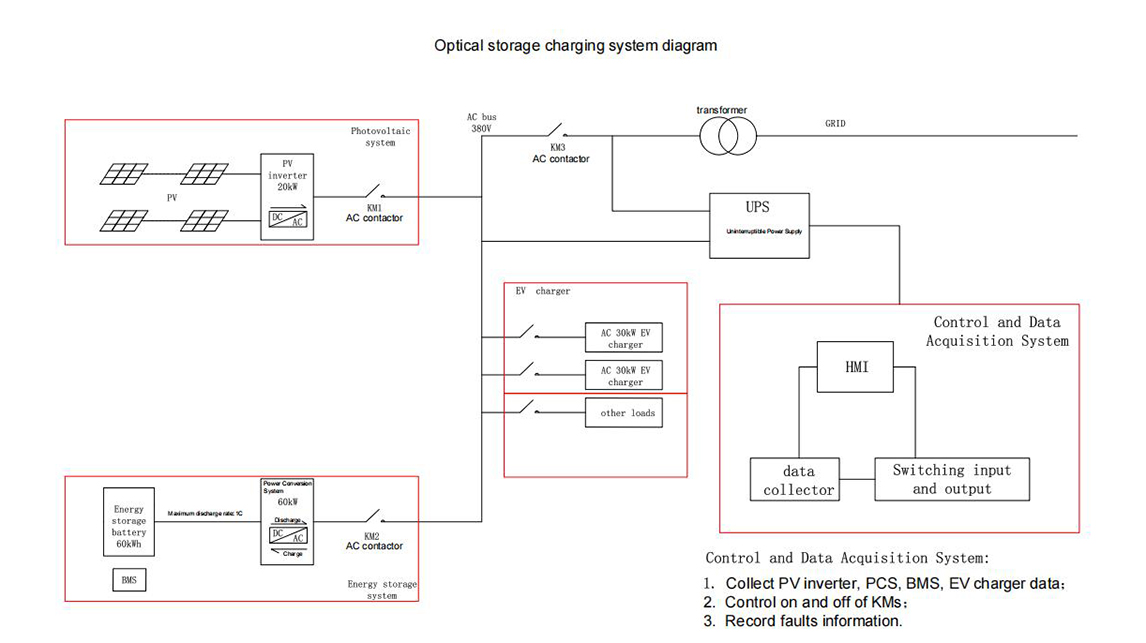
Industrial & Commercial Integrated Solution
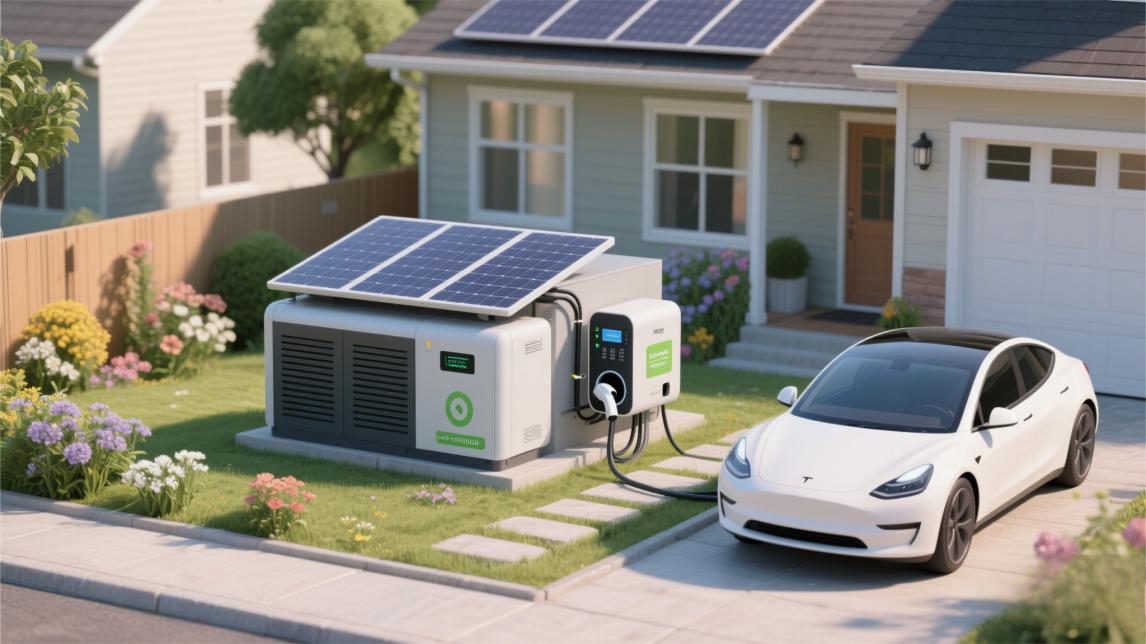
Home Energy Center Scenario
Engineered with military-grade materials, our IP55/IP65-certified stations deliver unmatched performance in temperatures ranging from -35°C to 75°C.
Utilizing high-voltage cascaded technology, our systems support ≥6,000 cycles (80% DOD) with a system efficiency of ≥95%.
OCPP 2.0-compliant systems enable seamless payment gateway integration and remote monitoring through cloud-based management platforms.
 Tongxing