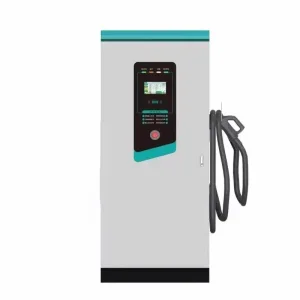
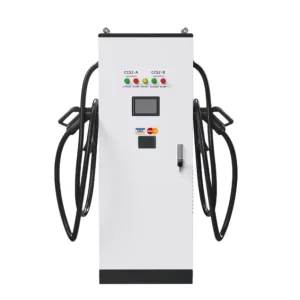
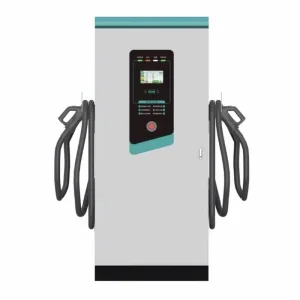
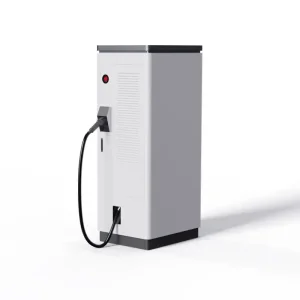
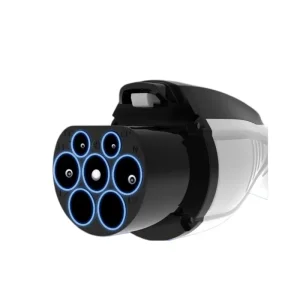
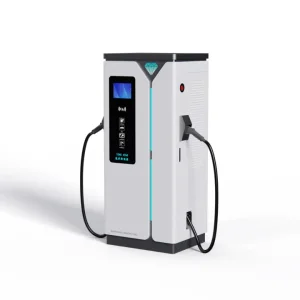
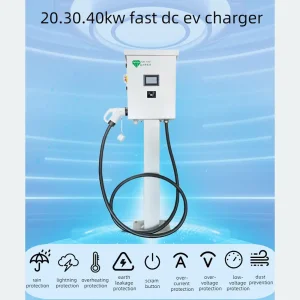
As the world pivots toward decarbonization, the demand for robust Vehicle Battery Charger infrastructure has transitioned from a luxury to a critical utility. TONGXING NEW ENERGY TECHNOLOGY CO., LTD. stands at the forefront of this revolution. With over 23 years of specialized experience, we don't just manufacture hardware; we engineer smart energy ecosystems that integrate Photovoltaic (PV) power, Battery Energy Storage Systems (BESS), and Ultra-Fast EV Charging.
Our 72,000m² intelligent production base utilizes 18 automated lines and IoT-enabled quality control, ensuring high-volume supply for global wholesale needs with a 95% automation rate.
Manned by 140+ certified engineers, our R&D wing focuses on circuit topology optimization, thermal management, and full-stack software development for OCPP 2.0.1 protocols.
Our equipment is IP55/IP65 certified, capable of operating in extreme temperatures ranging from -35°C in Arctic Iceland to +75°C in the Saudi desert.
The global surge in EV adoption has spotlighted the unmatched efficiency of the Chinese supply chain. Tongxing leverages this strategic advantage to provide "Information Gain" to our partners—offering insights into how we maintain cost-leadership without compromising technical integrity.
Raw Material Proximity: China accounts for the majority of the world's LFP (Lithium Iron Phosphate) processing. By manufacturing at the source, we eliminate middle-tier logistics costs and ensure the purity of components in our Home Energy Storage and DC Fast Chargers.
Rapid Prototyping: In the fast-moving tech sector, "Time-to-Market" is everything. Our integrated R&D-to-Factory floor model allows us to customize firmware and enclosure designs for B2B clients in as little as 14 days, compared to the industry standard of 3 months.
"By combining the low-cost manufacturing of China with European-standard quality audits (TÜV Rheinland), we offer the highest price-to-performance ratio in the industry."
We understand that a Vehicle Battery Charger is only as good as its certification. Our products carry full CE, UKCA, UL, and RoHS marks, but we go further by ensuring "Grid Compatibility" with local operators in North America (UL 2231), Europe (IEC 61851), and APAC (GB/T).
A comparative analysis of the Tongxing Integrated Solution vs. Traditional Charging Infrastructure.
| Performance Metric | Tongxing Standard | Industry Average | Strategic Advantage |
|---|---|---|---|
| Power Conversion Efficiency | ≥ 96% | 92% - 93% | Reduced energy loss = Faster ROI for operators |
| Response Time (VPP/Grid) | ≤ 10ms | ≤ 50ms | Critical for grid stabilization services |
| Battery Cycle Life (DOD 80%) | ≥ 6,000 cycles | 3,000 - 4,000 cycles | Double the lifespan of standard storage units |
| Standby Power Consumption | Reduced by 78% (2023) | Varies | Significant OPEX savings for large-scale fleets |
Proprietary OCPP 2.0-compliant systems enable:
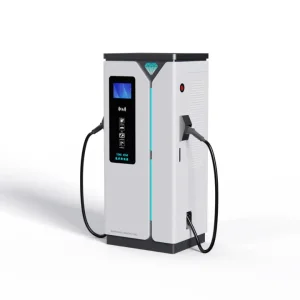
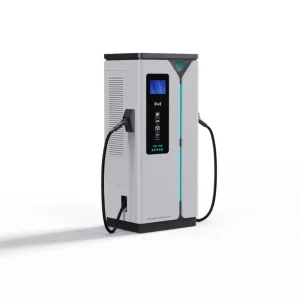
Our Liquid-Cooled technology in 720kW-960kW ultra-fast stations ensures the cable remains lightweight and the connector stays under 50°C during peak operation.
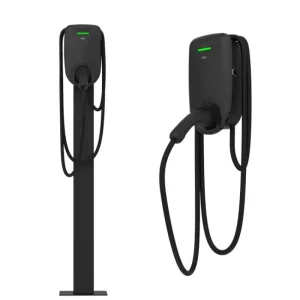
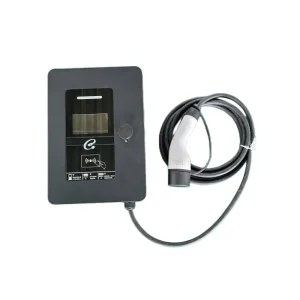
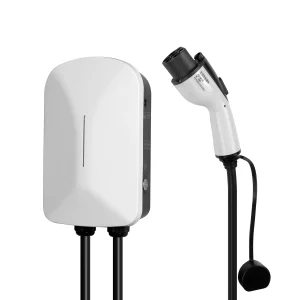
From 3.5kW residential chargers to industrial-grade 960kW hubs, our modular design allows for site expansion without replacing the entire base infrastructure.

Our Integrated Photovoltaic-Energy Storage-Charging Solution is designed for factories and logistics parks. By storing solar energy during the day and discharging it during peak hours, enterprises can reduce electricity costs by up to 27%.
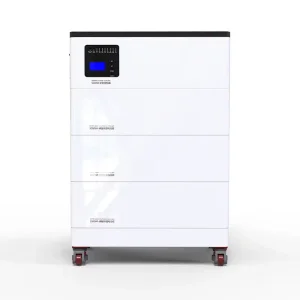
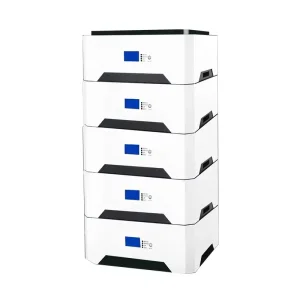
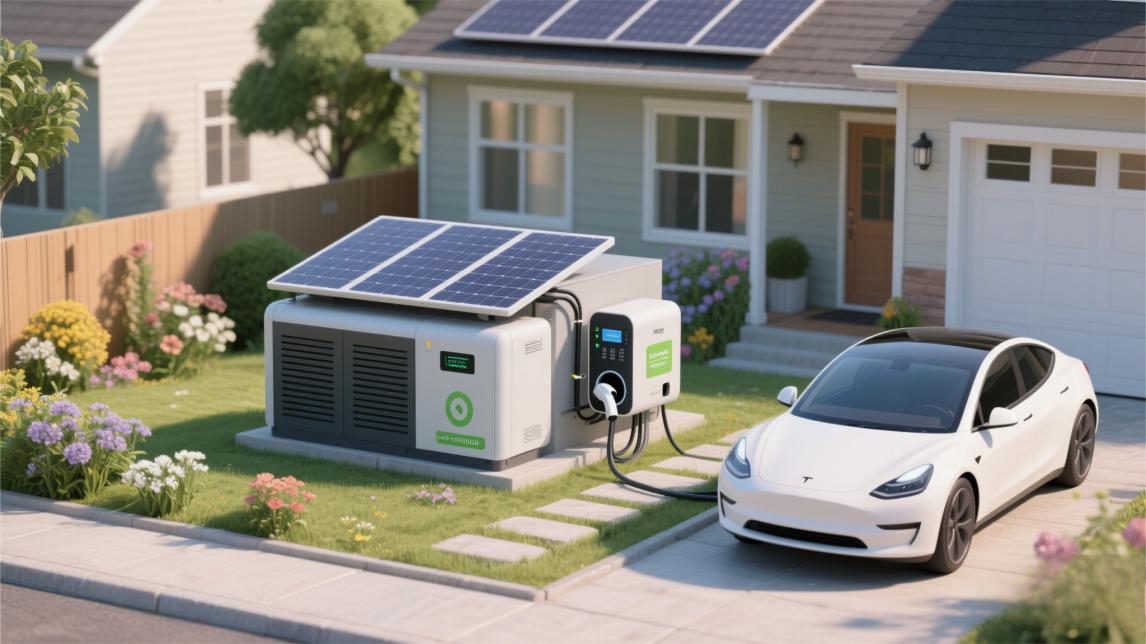
Transforming homes into independent energy centers. Our 5-15kWh Powerwall systems pair perfectly with 7kW/11kW AC chargers to provide a zero-carbon lifestyle.
Economic Mode: Automatically prioritizes solar power, supplementing with off-peak grid power when cheapest. Owners save $3,000 - $5,000 annually on electricity bills.
According to E-E-A-T principles, we analyze the shifting intent of B2B procurement in the energy sector.
Vehicle-to-Grid (V2G) will turn EVs into mobile batteries. Tongxing's latest bi-directional DC chargers allow fleet operators to sell energy back to the grid during peak demand.
Integration with multi-energy hubs (Hydrogen + Solar + Battery) is becoming the standard for heavy-duty trucking along global highway corridors.
Machine learning algorithms will predict charging behavior, distributing power dynamically between vehicles to avoid upgrading local grid transformers.
 Tongxing