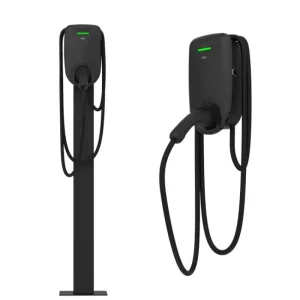
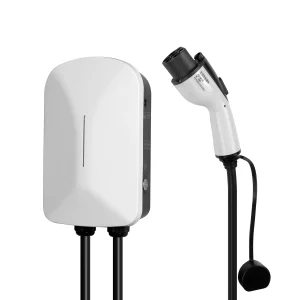
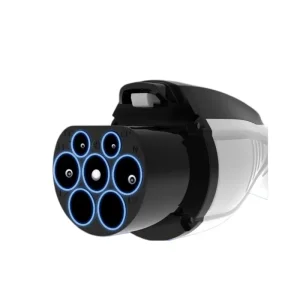
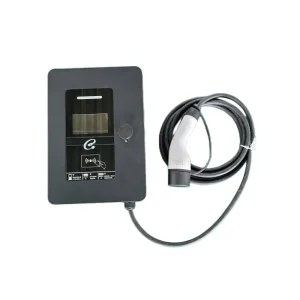
High-efficiency AC chargers specifically engineered for Nigeria's unique power environment and tropical climate.
Nigeria is at a pivotal crossroads. Following the removal of fuel subsidies in 2023, the total cost of ownership (TCO) for internal combustion engine (ICE) vehicles has skyrocketed. This has catalyzed a massive search for alternative mobility. As a leading AC EV charger manufacturer, we recognize that Nigeria's transition depends on robust infrastructure that can handle voltage fluctuations and high ambient temperatures.
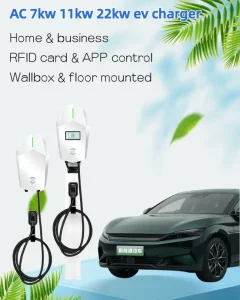
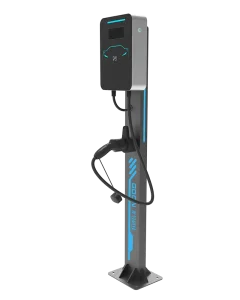
With an unstable national grid, "Smart Charging" is not a luxury—it's a necessity. Our chargers integrate Dynamic Load Balancing (DLB) to ensure that EV charging does not trip local transformers. We focus on AC solutions (7kW to 22kW) which are perfectly suited for residential complexes in Lekki or commercial hubs in Victoria Island, balancing charging speed with grid capacity.
The Nigerian government's National Automotive Design and Development Council (NADDC) is actively promoting local EV assembly. To support this, our factory provides OEM/ODM services for local Nigerian brands, ensuring that "Made for Nigeria" chargers meet international IEC 61851 standards while surviving the local dust and humidity.
As a certified National High-Tech Enterprise, we bring over two decades of power electronics expertise to the Nigerian market. Our R&D center, staffed by 20+ specialists, focuses on "Extreme Environment Resilience."
Reliability Rate
Engineers
Patents
Warranty
| Technology Pillar | Current State (2024) | Future Roadmap (2026+) | Nigeria Market Relevance |
|---|---|---|---|
| Charging Speed | 7kW - 22kW AC / 120kW DC | 360kW - 960kW Ultra-Fast | AC remains dominant for overnight residential use. |
| Grid Interaction | One-way smart charging | V2G (Vehicle-to-Grid) | Critical for using EVs as backup power during outages. |
| Connectivity | OCPP 1.6J / 4G / Wi-Fi | OCPP 2.0.1 / ISO 15118 (Plug & Charge) | Seamless payment integration for public stations. |
| Energy Source | Grid-dependent | PV-Storage-Charging Integration | The ultimate solution for off-grid Nigerian regions. |
Implementing 22kW Dual-Gun chargers allows businesses to offer "Executive Charging" as a benefit. Our software tracks carbon credits for corporate sustainability reporting.
Wallbox units with RFID access prevent unauthorized power usage. Dynamic load management ensures the community transformer isn't overloaded during peak evening hours.
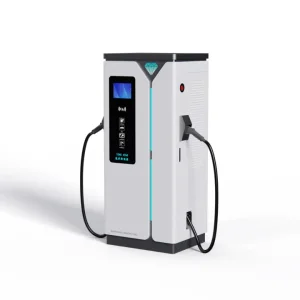
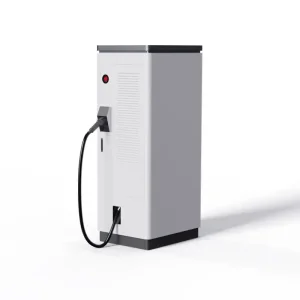
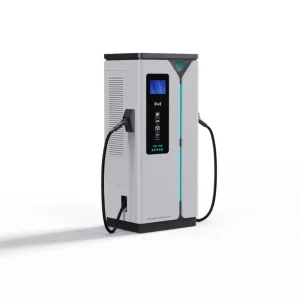
As traditional filling stations transition, our DC fast-chargers (60kW+) allow for a "Quick Top-up" model, adding 100km of range in just 20 minutes.
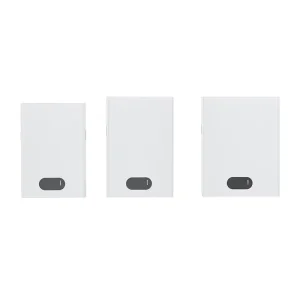
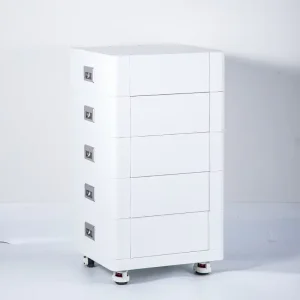
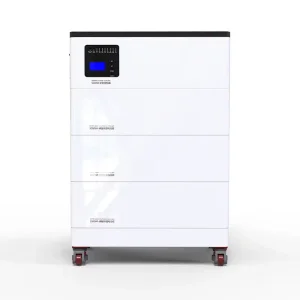
The "Full-Scenario Energy Ecosystem" is the gold standard for Nigeria. By combining solar panels, LiFePO4 battery storage, and EV chargers, you achieve true energy independence.
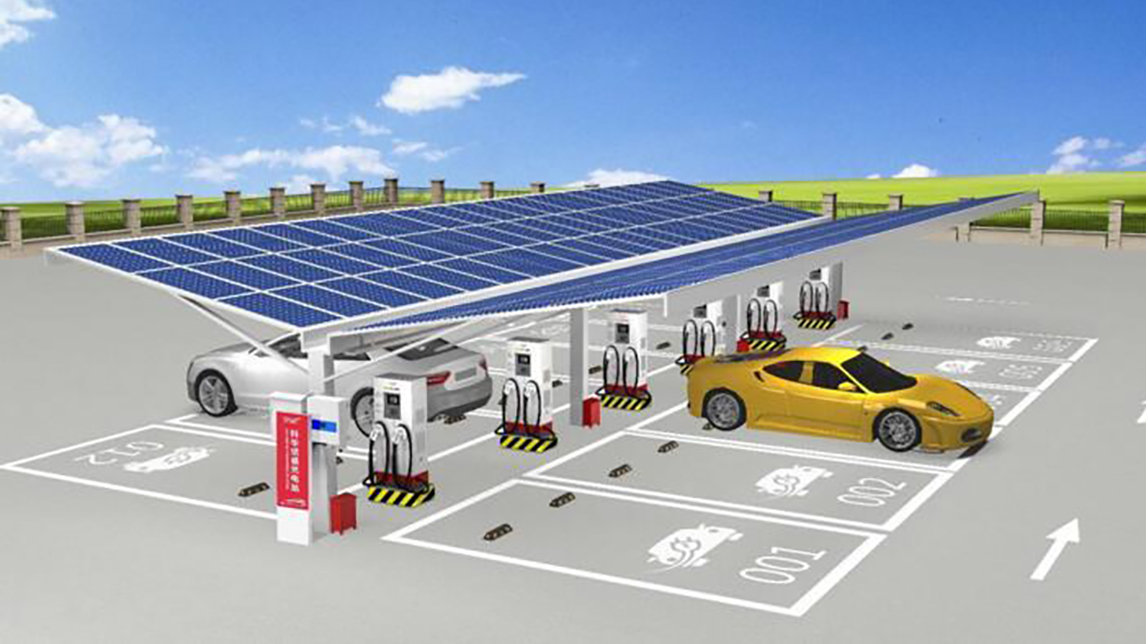
Reduce peak-hour electricity costs by 40%. Store solar energy during the day and charge your fleet at night for nearly zero cost.
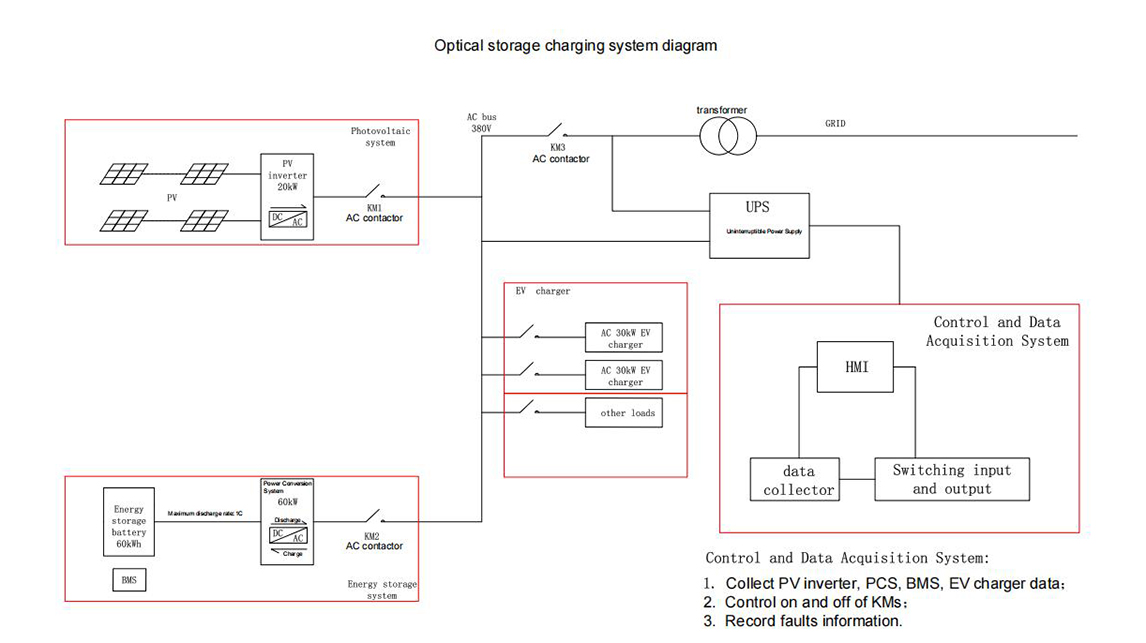
Perfect for scenic spots or remote mining sites in Nigeria where the grid doesn't reach. 72-hour continuous power supply capability.
From private homes in Abuja to large-scale fleet depots in Kano, we have the technology and experience to power your transition to electric mobility.
 Tongxing