Engineered for modularity, voltage fluctuations, and extreme dust resilience, our systems ensure secure operational uptime in critical urban and off-grid zones.
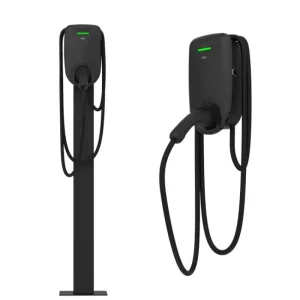
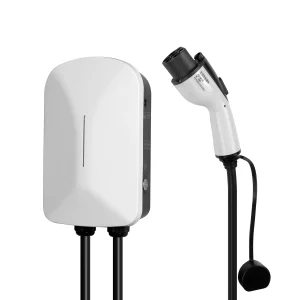
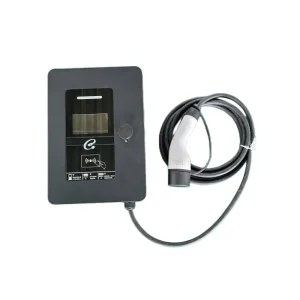
Deploying electric vehicle supply equipment (EVSE) in Afghanistan demands a fundamental understanding of local energy dynamics, diesel generator reliance, and off-grid integration requirements.
Afghanistan's electricity infrastructure is heavily dependent on imported energy from neighboring Central Asian states, exposing major hubs like Kabul, Herat, and Mazar-i-Sharif to chronic load-shedding and sudden grid disconnects. In rural and industrial regions, diesel generators historically served as the primary source of power. However, with surging fuel costs and international carbon-mitigation targets, commercial operations, NGOs, and mining concerns are rapidly transitioning to high-yield photovoltaic (PV) solar installations combined with Battery Energy Storage Systems (BESS).
Within this ecosystem, the integration of robust AC EV chargers is not merely about automobile electrification—it is about creating resilient, decentralized micro-grids. To succeed in this challenging environment, AC EV chargers must feature ultra-wide input voltage tolerances, sophisticated Dynamic Load Balancing (DLB) protocols to protect local generation assets, and advanced thermal management to withstand localized dust, sandstorms, and extreme ambient temperature ranges (from -25°C to +50°C).
Aligning global charging protocols with robust localized hardware options to construct high-yield transport corridors.
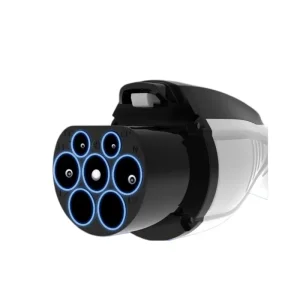
Our systems natively support IEC Type 2, SAE J1772 Type 1, and GB/T standards, bridging the gap between import vehicles from Europe, East Asia, and the Americas.
Designed with Bidirectional V2G and V2H capabilities, turning fleet vehicles into storage buffers to maintain critical system uptime during grid failure events.
Integrating OCPP 1.6J/2.0.1 over cellular 4G and satellite backup links to provide remote fault resolution and minimize physical maintenance dispatches.
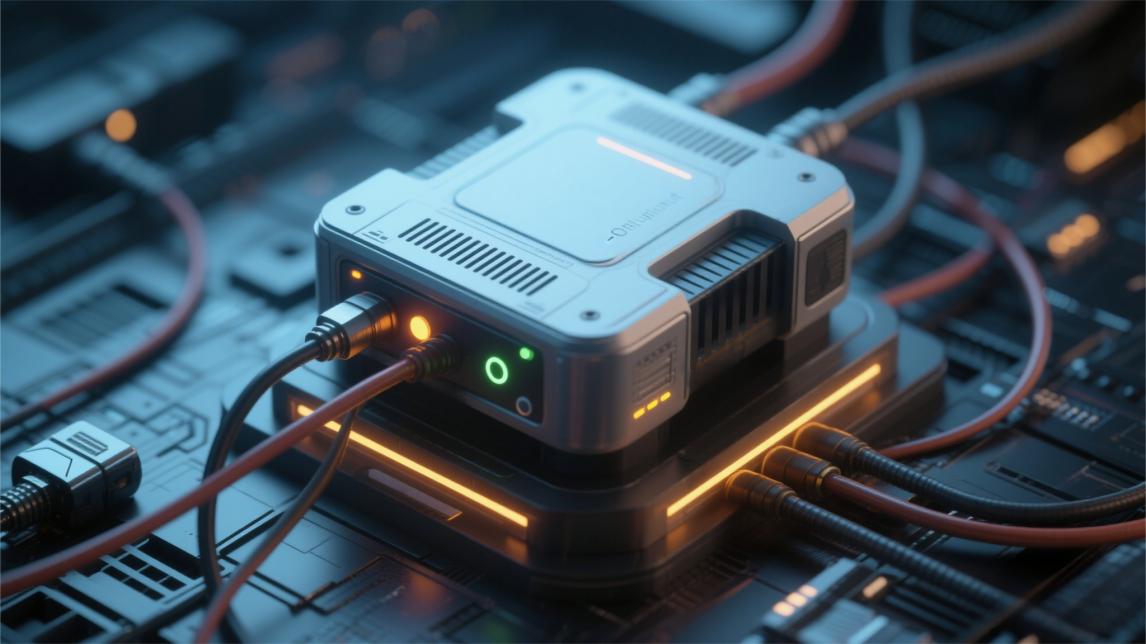
Decentralized charging is the only sustainable roadmap for regions with restricted electrical grids.
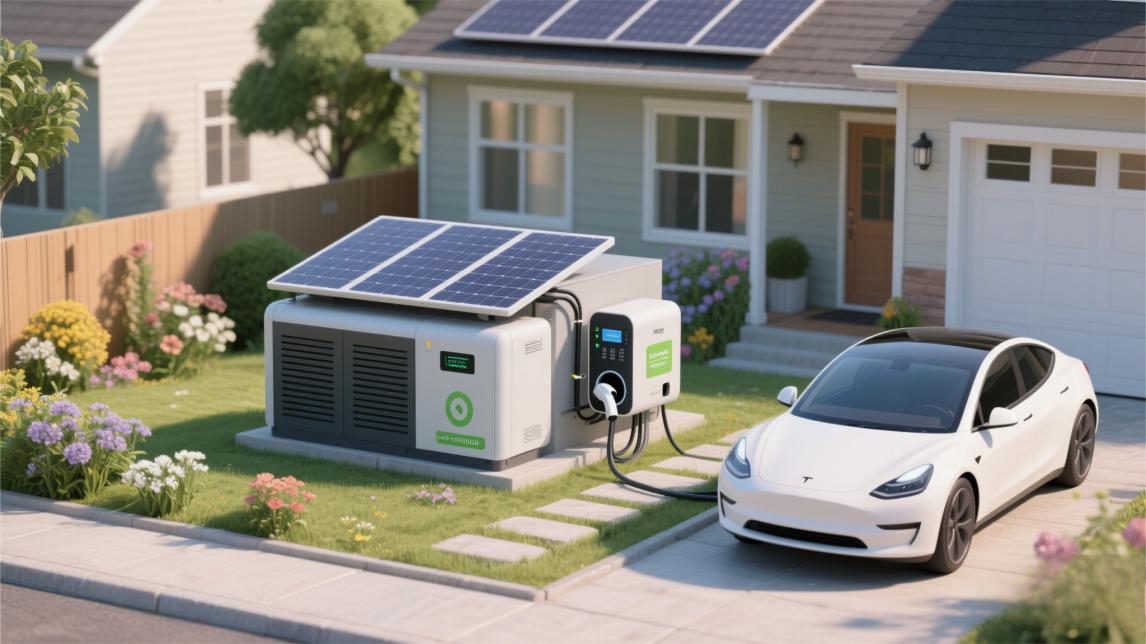
By pairing high-efficiency monocrystalline solar canopies with commercial LiFePO4 battery banks, our integrated hardware ecosystem generates and stores clean power locally. This allows charging stations to operate completely independent of the national grid, insulating vehicles and building systems from blackouts and grid transients.
| Performance Metric | Traditional Grid-Tied Solution | Solar-Storage-Charging Integrated Solution | Net Advantage In Afghanistan |
|---|---|---|---|
| System Operational Uptime | 45% - 60% (due to load shedding) | 99.9% (Continuous battery backup) | +39.9% Operational Reliability |
| Average Levelized Cost of Energy (LCOE) | $0.85 USD / kWh (equivalent diesel cost) | $0.62 USD / kWh (amortized over 5 years) | 27% Reduction in Operational Costs |
| Carbon Mitigation Level | Minimal (primarily reliant on carbon-heavy imports) | 85% - 100% local solar utilization | Highly eligible for local green subsidies |
| Equipment Response Time | <50ms (Industry Average) | ≤10ms (Millisecond-level power leveling) | Prevents delicate EV control boards from burning out |
How Tongxing designs charging equipment to survive environments from Afghanistan's desert heat to Central Asia's mountain cold.
Our charging stations are developed using full structural redundancy. Dual-core logic microprocessors work in tandem: if one monitoring chip fails due to a temperature spike, the secondary chip initiates safe shut-down and broadcasts a remote diagnostics report via OCPP to our technical operations center.
Furthermore, standard commercial plastic enclosures quickly degrade under intense ultraviolet (UV) radiation. To prevent brittle failure and cracking, our outdoor wallboxes and pedestal chargers are constructed with premium cold-rolled steel treated with a marine-grade anti-corrosive primer and UV-resistant powder coat finish, extending shell lifespan to over 10 years in open high-altitude exposures.
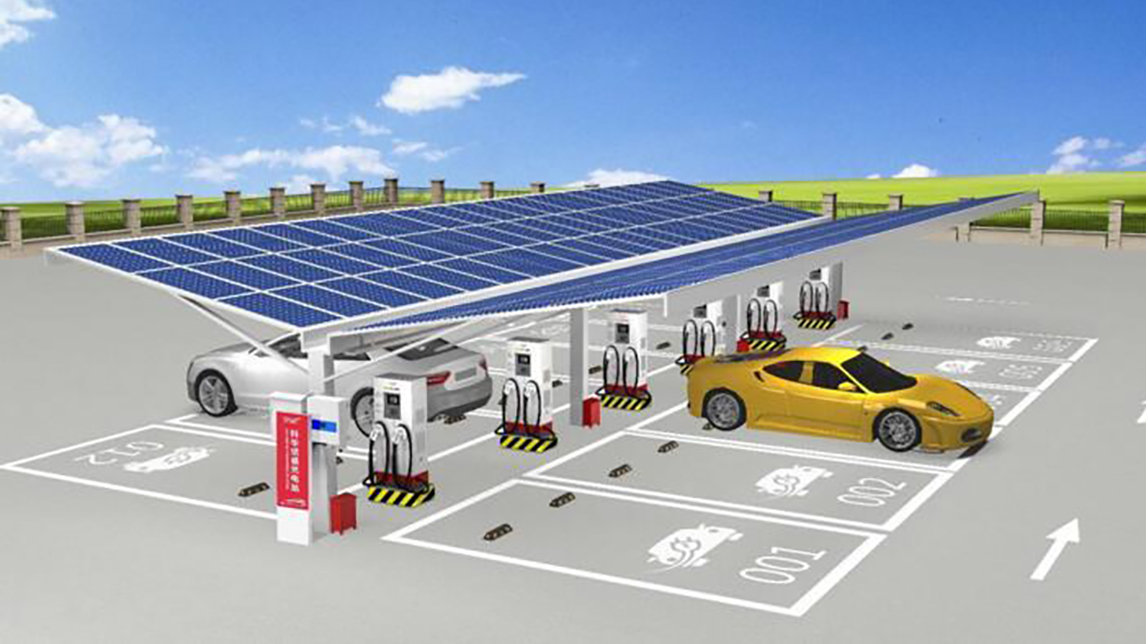
Designed for industrial depots, logistics fleets, remote mining hubs, and multi-tenant residential complexes across Afghanistan.
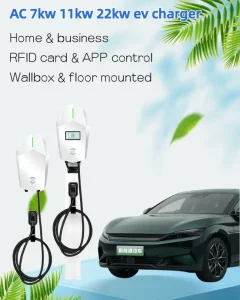
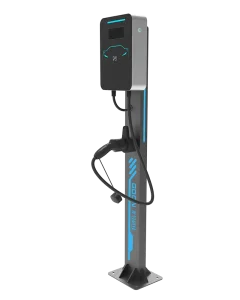
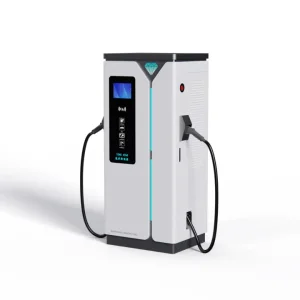
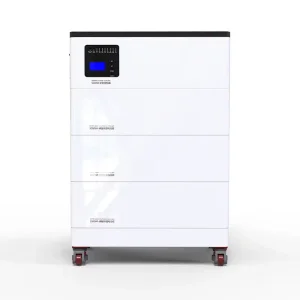
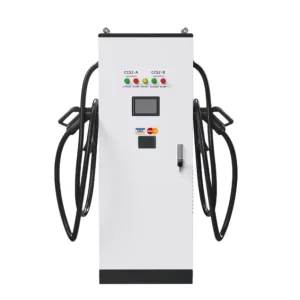
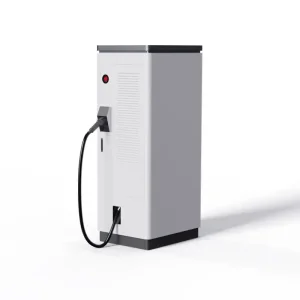
A National High-Tech Enterprise dedicated to clean power innovation.
As a certified national high-tech enterprise with 23 years of expertise in the energy sector, Tongxing specializes in R&D, production, and global distribution of innovative EV charging systems. Our comprehensive product portfolio spans from 3.5KW residential chargers to industrial-grade 960KW ultra-fast charging stations, complemented by integrated photovoltaic (PV) and energy storage solutions.
Equipped with an intelligent 72,000m² manufacturing facility featuring 18 automated assembly lines and IoT-enabled quality control, we maintain a 98.6% field reliability rate. Our dedicated R&D specialists optimize circuit topology, design advanced thermal management controls, and develop secure OCPP 1.6J/2.0 application codes. This ensures that every EV charger we ship is fully prepared to deliver stable uptime under extreme environmental conditions.
Detailed technical advice for implementing EVSE and battery systems in Afghanistan's unique climate and electrical grid conditions.
Our AC EV chargers are equipped with an ultra-wide voltage tolerance system. Single-phase wallboxes can operate securely between 170V and 265V, while three-phase commercial units accept 300V to 450V inputs. In addition, our chargers feature integrated over-voltage, under-voltage, surge protection (Class II SPD), and automatic resume capability. Once power stabilizes following a black-out, the charger automatically resumes charging based on safe pre-programmed start delays.
Yes. All our Type 2 and GB/T AC chargers feature dynamic load balancing (DLB) capabilities and Modbus RTU/TCP protocols. This allows them to interface directly with solar hybrid inverters and home/industrial battery storage systems. When solar output drops or battery levels fall below safe thresholds, the system automatically dials down the charging speed to protect localized grid assets.
We manufacture our chargers using IP54/IP55 and IP65 protection ratings. The interior electronics are treated with a triple-anti-moisture, anti-dust, and anti-salt spray conformal coating. Dual-channel cooling vents are engineered to prevent internal accumulation of airborne dust. Operational temperature thresholds range from -35°C to 75°C, supported by automated thermal de-rating triggers to prevent overheating.
Vehicles imported into Afghanistan typically follow three core protocols: European Type 2 (IEC 62196), American Type 1 (SAE J1772), and East Asian GB/T. We supply charging stations configured with dual-socket options or tethered cables matching these interfaces. We also offer certified inter-protocol adapters to ensure absolute compatibility for local fleets.
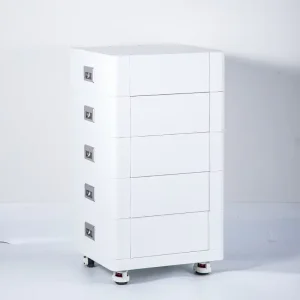
Integrating our 15kWh All-in-One Home Energy Storage System creates a personal micro-grid. The storage system collects excess solar power during peak daylight hours. During evening hours, when the grid is typically down or electricity rates are high, you can use the stored battery power to charge your EV at a minimal amortized cost, avoiding grid dependence altogether.
Get in touch with our expert engineering team for customized hardware configurations, pricing data, and local compliance certification information tailored for Afghanistan.
 Tongxing