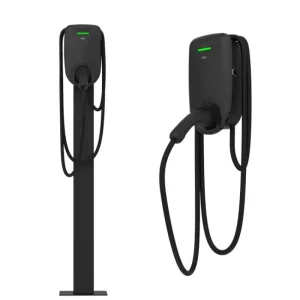
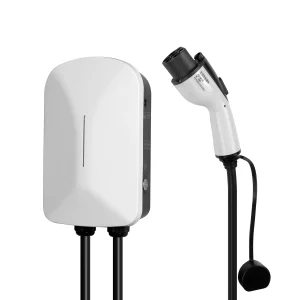
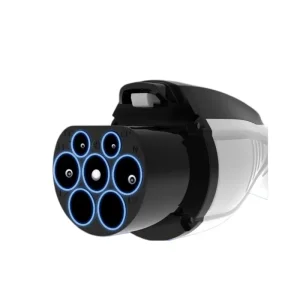
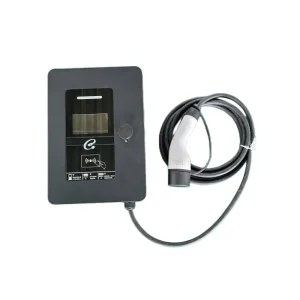
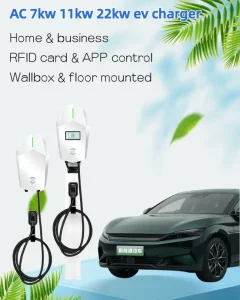
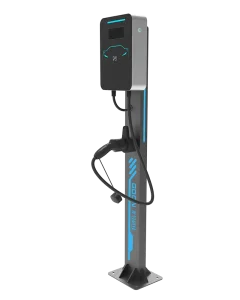
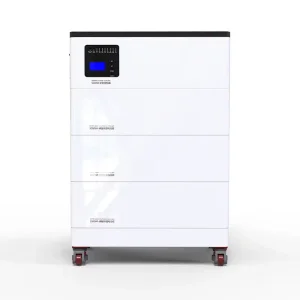
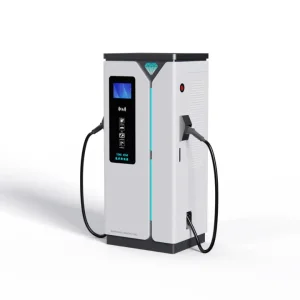
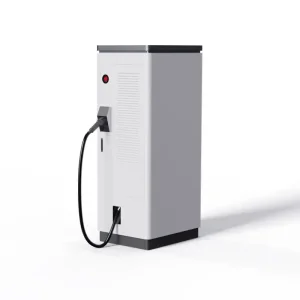
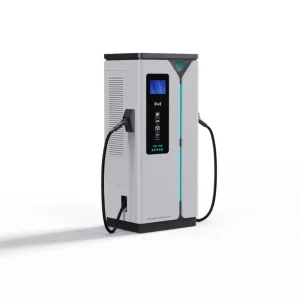
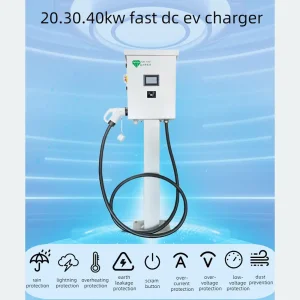
As Germany’s "Gateway to the World," Hamburg is not only a global logistics hub but also a frontrunner in the European "Mobilitätswende" (Mobility Transition). The City of Hamburg’s Climate Plan aims for a significant reduction in CO2 emissions by 2030, placing immense pressure on the expansion of public and private AC charging networks.
The demand for AC EV Charger manufacturers in the Hamburg market has evolved from simple hardware provision to complex Semantic Search-driven solutions that integrate with the local power grid (Stromnetz Hamburg). For commercial real estate developers in districts like HafenCity and logistics operators at the Port of Hamburg, the focus is now on Information Gain: how can a charging station do more than just charge? It must manage load, integrate with solar, and provide seamless billing via OCPP 2.0.1 protocols.
Hamburg's older architectural districts require AC chargers with Dynamic Load Balancing (DLB) to prevent grid overloads.
Heavy-duty AC solutions for employee fleets and medium-duty transit vehicles at the Hamburg Port.
Complementing Hamburg's hydrogen initiatives with EV charging hubs powered by 100% renewable energy.
Data-driven charging management integrated with Hamburg’s smart traffic control systems.
As a certified National High-Tech Enterprise, Tongxing New Energy Technology leverages over two decades of power electronics expertise to bridge the gap between Chinese manufacturing efficiency and German engineering standards. Our 72,000m² intelligent production base utilizes IoT-enabled quality control to ensure every AC charger meeting the Hamburg market's rigorous safety requirements.
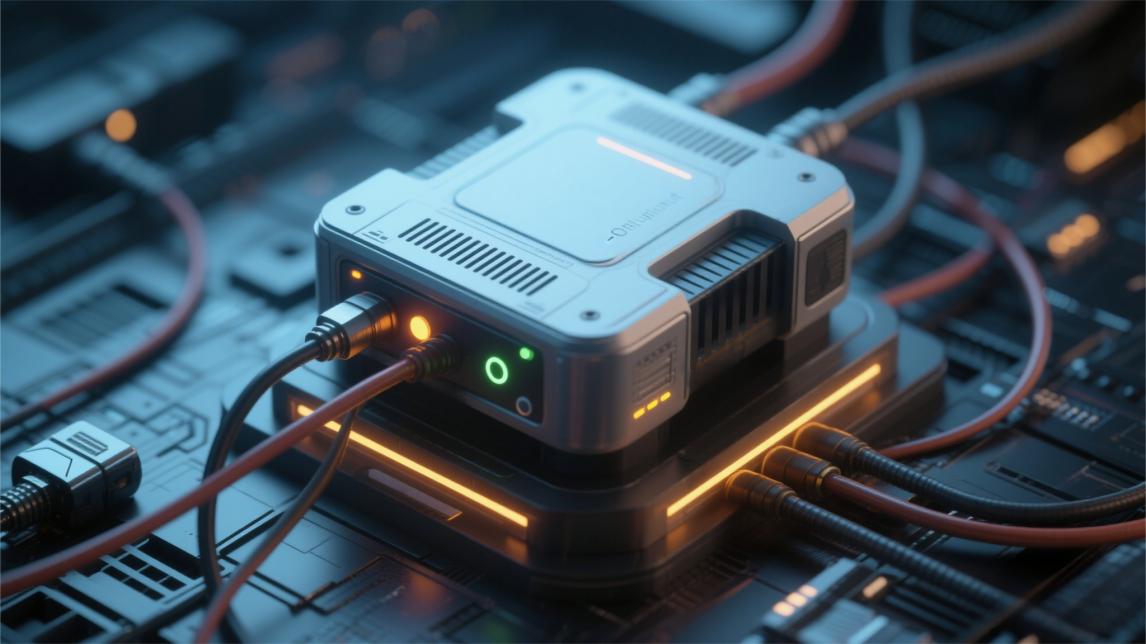
Beyond the Plug: Integrating PV, Storage, and Charging
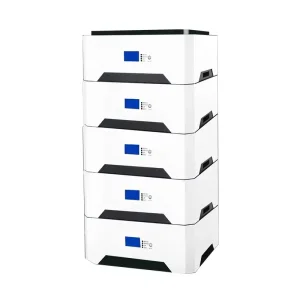
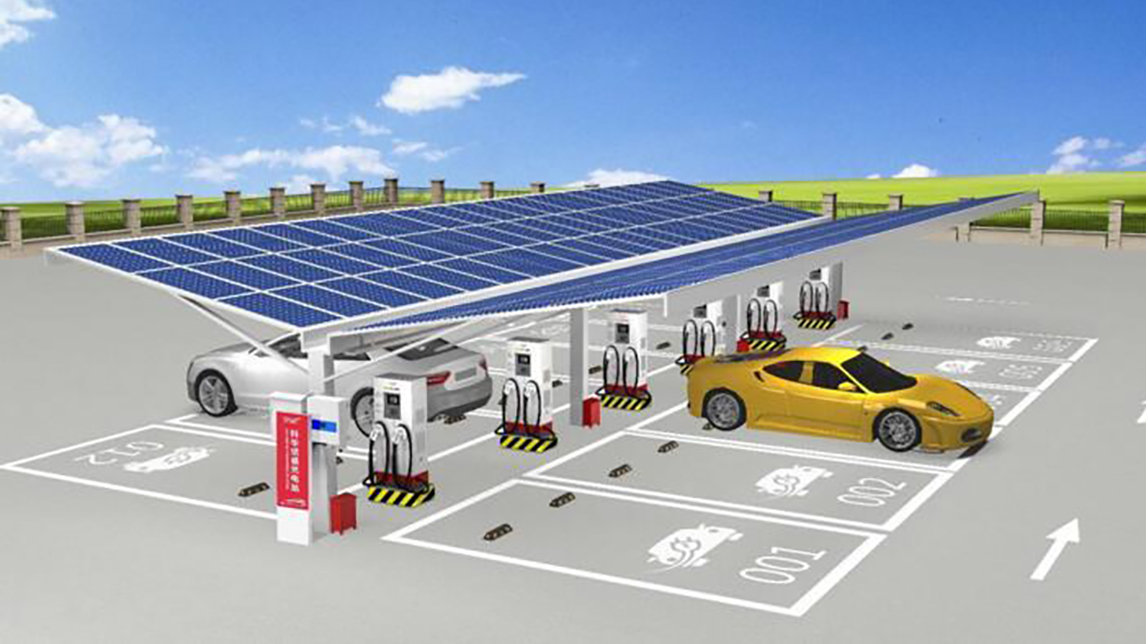
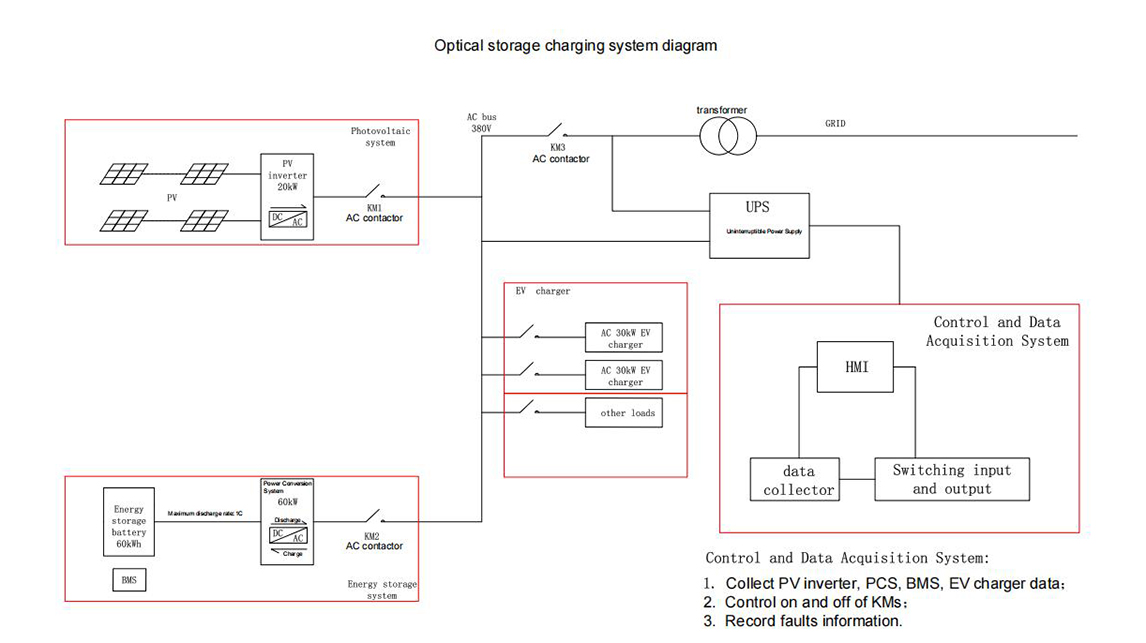
For Hamburg's logistics parks and manufacturing zones, we provide an integrated Photovoltaic-Energy Storage-Charging solution. By utilizing rooftop solar panels, enterprises can reduce peak-hour grid dependence by up to 40%.
| Performance Indicator | Traditional AC Charging | Tongxing Integrated Solution | Information Gain / Benefit |
|---|---|---|---|
| PV Self-Consumption | 50% | 85%+ | ↑ 70% Energy Efficiency |
| Electricity Cost (Avg) | 0.85 USD/kWh | 0.62 USD/kWh | ↓ 27% Operational Expense |
| Carbon Management | Manual Tracking | AI Real-time Monitoring | ISO 14064 Compliance Ready |
Our "Economic Mode" chargers for Hamburg households prioritize solar energy use during the day and automatically switch to off-peak grid power at night, ensuring a 72-hour emergency power supply during rare grid instability events.
The global EV charging market is shifting from "connectivity" to "intelligence." B2B procurement managers in Germany and the EU are increasingly looking for White-Label (OEM/ODM) partners who can provide hardware that is compliant with the latest AFIR (Alternative Fuels Infrastructure Regulation).
Key trends include the rise of ISO 15118 "Plug & Charge" technology, which eliminates the need for RFID cards, and the requirement for bidirectional V2G (Vehicle-to-Grid) capabilities. Tongxing's R&D focus on thermal management and EMI/EMC compliance ensures that our chargers perform in extreme Hamburg winters (-15°C) and hot summers (+35°C) without derating.
A: Yes, we offer specific versions of our AC wallboxes that are designed to integrate with MID-certified meters and compliant backend systems to meet German billing transparency requirements.
A: Our chargers come with an external CT clamp or Smart Meter integration that monitors the total household load, automatically adjusting the EV charging current to prevent the main fuse from tripping.
A: Standard OEM orders are typically fulfilled within 15-25 days. For the European market, we often coordinate with logistics hubs to ensure timely delivery via the Port of Hamburg or rail freight.
A: Yes, our full range supports OCPP 1.6J (JSON) for current standard management and is hardware-ready for 2.0.1 to ensure future-proofing for smart grid integration.
Explore our complete range of EVSE and Energy Storage Systems
 Tongxing