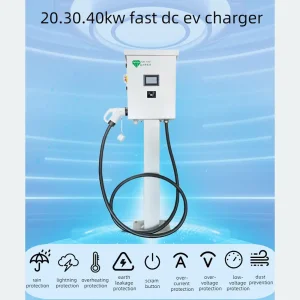
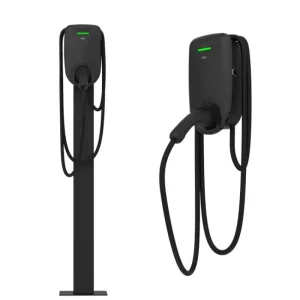
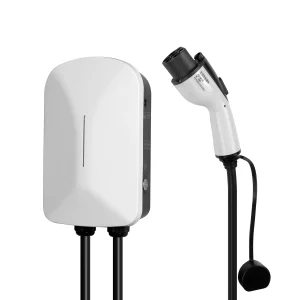
Uganda is currently undergoing a transformative shift in its transportation landscape. With the government’s Vision 2040 and the promotion of "Buy Uganda Build Uganda" (BUBU), the local automotive industry, led by pioneers like Kiira Motors, is pivoting toward electrification. As a leading DC EV charger manufacturer, we recognize that the backbone of this transition is not just the vehicles, but a robust, high-availability charging infrastructure.
The Ugandan market presents unique challenges and opportunities: a heavy reliance on hydroelectric power, a growing demand for "Boda-Boda" (motorcycle) battery swapping stations, and a need for rugged hardware that can withstand tropical humidity and voltage fluctuations.
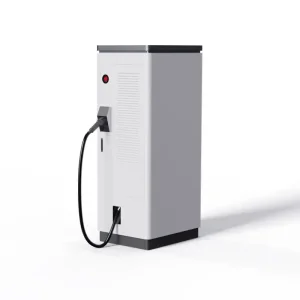
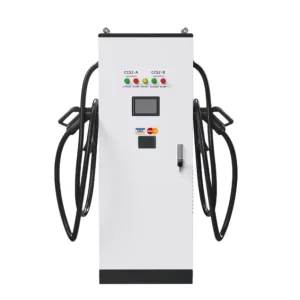
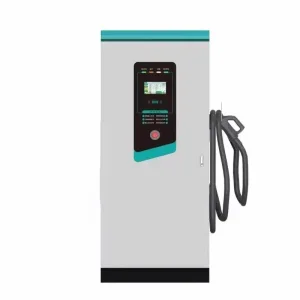
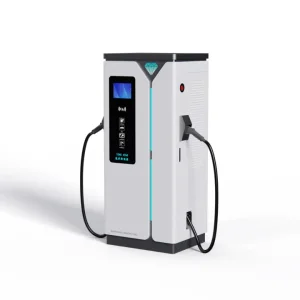
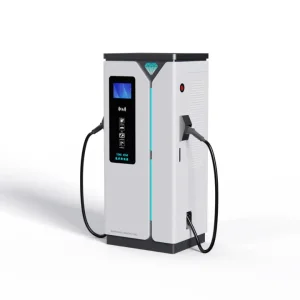
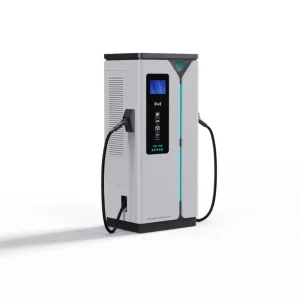
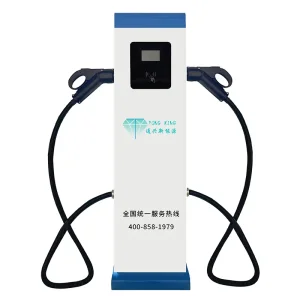
Deploying 120kW to 180kW DC fast chargers in Kampala’s Central Business District (CBD) and shopping malls like Acacia Mall. These units provide rapid 20-30 minute "top-ups," essential for high-turnover parking environments.
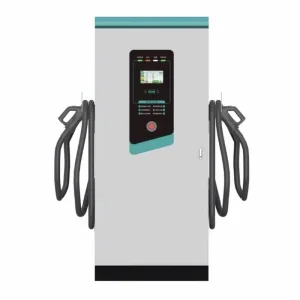
For logistics companies operating between Mombasa and Kampala, our 360kW ultra-fast chargers ensure that electric trucks and delivery vans minimize downtime, maximizing the efficiency of the regional supply chain.
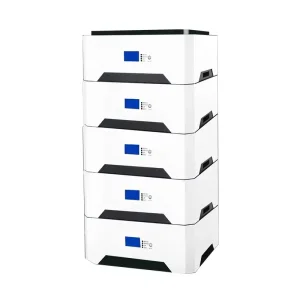
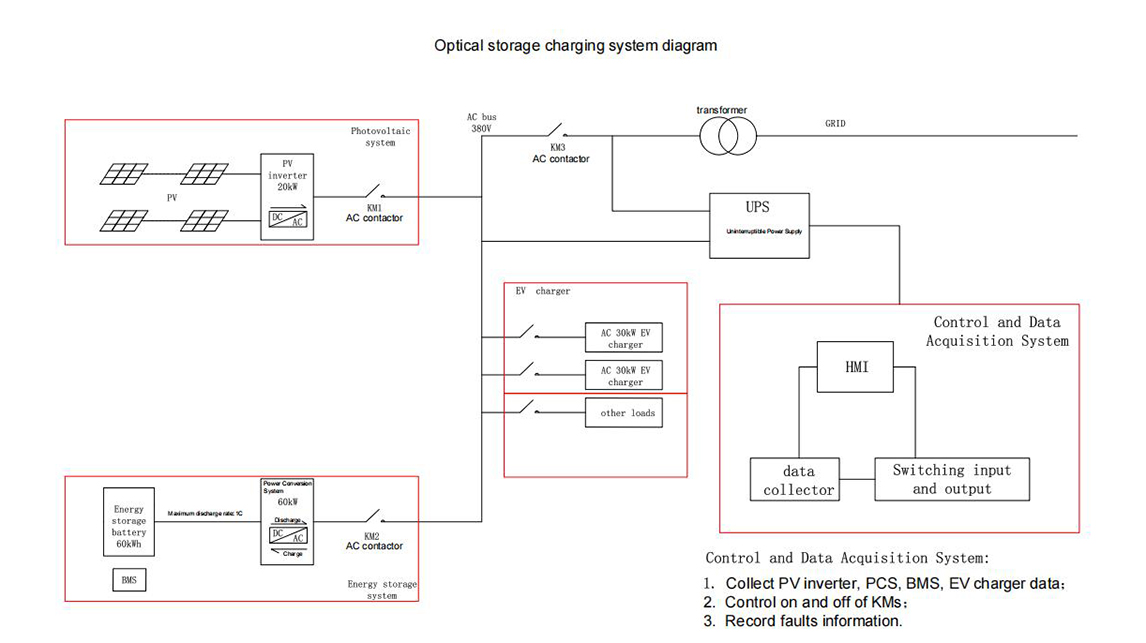
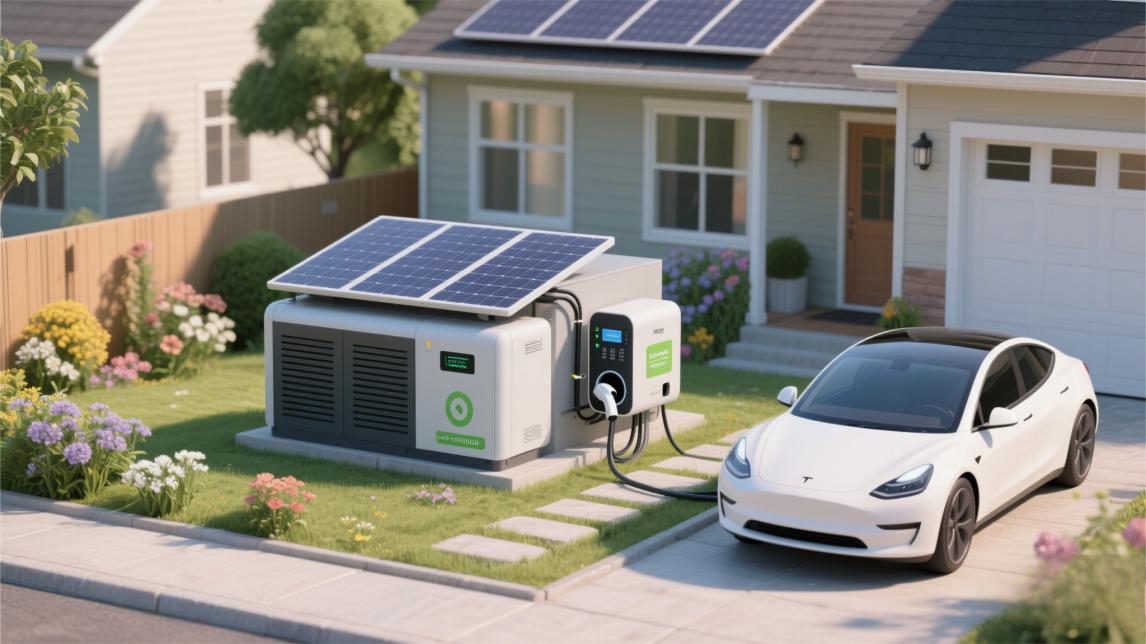
In areas where the grid is unstable, our Integrated Photovoltaic-Energy Storage-EV Charging Solution allows for completely off-grid operation, utilizing Uganda’s abundant solar resources to power remote community hubs.
As a certified national high-tech enterprise with 23 years of expertise, we specialize in R&D, production, and global distribution of innovative EV charging systems. From 3.5KW residential units to 960KW industrial-grade stations.
18 automated lines and IoT-enabled quality control, achieving 95% automation. We offer the scale needed for Uganda's national infrastructure projects.
IP55/IP65-certified stations engineered for temperatures from -35°C to 75°C. Reinforced dustproof capabilities for Uganda’s dry season and waterproof for the rainy season.
OCPP 2.0-compliant systems for seamless payment gateway integration and remote cloud monitoring via 4G/Ethernet.
Our integrated approach reduces electricity costs and enhances green power value for Ugandan factories and office parks.
| Indicator | Traditional Solution | Integrated Solution (Tongxing) | Improvement |
|---|---|---|---|
| PV Self-Consumption Rate | 50% | 85%+ | ↑ 70% |
| Comprehensive Electricity Cost | 0.85 USD/kWh | 0.62 USD/kWh | ↓ 27% |
| Annual Carbon Reduction | - | 40%-60% | Verified |
Partnering with a Chinese manufacturer for the Ugandan market offers unparalleled strategic advantages. Our vertical integration means we control every step from PCB design to final assembly.
Cost Efficiency: Economies of scale allow us to provide high-end DC technology at a fraction of the cost of European competitors.
Rapid Iteration: We update our firmware and hardware designs based on real-time global feedback every quarter.
Logistics Mastery: Experienced in shipping to East Africa, ensuring safe arrival at Mombasa Port and transit to Kampala.
Looking toward 2026, we are integrating Vehicle-to-Grid (V2G) technology, allowing Ugandan EV owners to sell power back to the grid during peak demand hours, stabilizing the national network.
Our next-gen 480kW-960kW stations will feature liquid-cooling technology, allowing for massive power delivery without cable overheating, adding 300km range in under 8 minutes.
Implementing machine learning to predict charging demand patterns at Ugandan stations, optimizing energy distribution and preventing grid overloads.
A: Yes, our chargers support CCS2 and GBT standards, making them fully compatible with locally manufactured Ugandan vehicles like the Kiira EV and Kayoola buses, as well as imported Tesla, BYD, and VW models.
A: Our stations are equipped with industrial-grade surge protection, wide input voltage range tolerances (±20%), and internal voltage regulation to protect both the charger and the vehicle's battery from grid spikes.
A: We provide comprehensive remote technical support and detailed installation guides. For large-scale projects, we can deploy engineers to site or provide intensive training to local Ugandan technical teams.
A: Standard manufacturing time is 15-25 days. Shipping to East Africa typically takes 30-40 days, allowing for a total project lead time of approximately 2 months from order to arrival.
Policy Incentives: Eligible for various green energy subsidies with a shortest 3.8-year payback period in optimized commercial settings.
 Tongxing